Wine Cooler Buying Guide for Restaurants
Wine Cooler Buying Guide for Commercial Kitchens and Bars
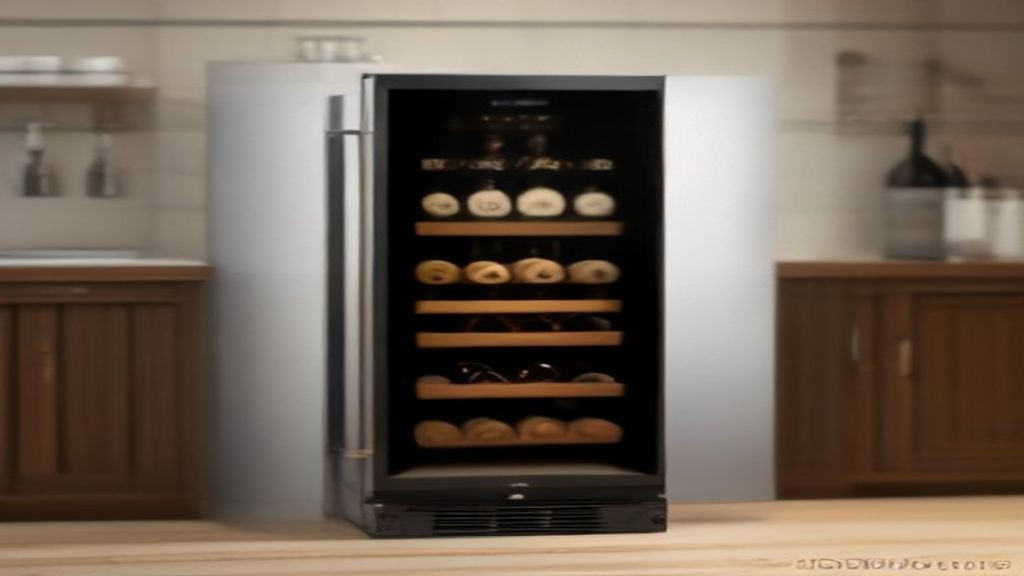
A wine cooler is more than a display case-it is a temperature-controlled workhorse that protects inventory, supports consistent pours, and keeps service smooth during peak hours. For restaurant owners, kitchen managers, and equipment buyers, the right unit can reduce waste, free up walk-in space, and present bottles in a way that supports upselling. For more background, see Learn more about Wine Cooler.
Commercial wine coolers differ from residential models in build quality, cooling power, and serviceability. Specs matter, but so do footprint, door style, cleaning access, and how quickly the cabinet recovers after staff open it repeatedly during dinner rush.
This guide walks through practical selection criteria for commercial wine cooler equipment so you can match capacity, installation needs, and energy use to your menu and bar layout-without chasing unverified manufacturer claims.
What a Commercial Wine Cooler Needs to Do
In a restaurant or bar, a wine cooler must hold bottles at stable serving temperatures while staff open doors frequently. Dual-zone units help when you serve both whites and reds; single-zone units work when you chill one style or stage bottles before moving them to service.
Look beyond aesthetics. Ask how the evaporator and condenser are designed for kitchen heat, how shelves adjust for Bordeaux vs. Champagne formats, and whether the glass door is designed for humidity control so corks stay sound and labels remain presentable.
Service temperatures and zone strategy
Most programs chill sparkling and light whites colder than reds. Dual-zone wine coolers let you set separate ranges so you are not over-chilling reds or under-chilling whites. If your list is mostly by-the-glass whites and sparkling, a single colder zone plus a small red holding area elsewhere may be simpler and cheaper to run.
Capacity vs. real usable bottle count
Listed bottle capacity assumes standard Bordeaux shapes and efficient packing. Magnums, Riesling bottles, and wide Champagne bases reduce the real count. Measure your top movers, then size the wine cooler for peak nights plus a small buffer so you are not restocking mid-service.
Doors, Drawers, Footprint, and Layout
Placement drives performance. A wine cooler near a hot line, dishwasher exhaust, or direct sun will work harder and recover temperature more slowly. Undercounter and freestanding footprints fit bars and wait stations; taller reach-in style cabinets suit back-bar storage and high-volume lists.
Door and drawer choice affects speed of service and cold loss. Glass doors support merchandising and inventory checks without opening. Solid doors can hold temperature with less light load. Drawer-style wine coolers or wine storage drawers help when staff need quick access to a few SKUs without exposing the full cabinet.
Doors vs. drawers for bar service
Hinged glass doors are common for display and by-the-bottle sales. Sliding doors can help in tight aisles where a swing would block traffic. Drawers suit narrow stations and reduce full-cabinet air exchange when you only need a handful of bottles. Match the hardware to how often staff open the unit during rush.
Footprint, clearance, and installation basics
Confirm width, depth with handle, and height under counters or against walls. Built-in wine coolers typically need front ventilation and manufacturer-specified clearances; freestanding units often vent from the sides or rear and need breathing room. Plan a dedicated outlet, level the cabinet, and leave access for condenser cleaning and service.
Temperature Recovery, Energy Use, and Daily Care
Temperature recovery is how fast the wine cooler returns to set point after door openings. High-traffic bars need stronger refrigeration and good door seals more than a quiet tasting-room cabinet does. Poor recovery shows up as warm bottles, condensation on glass, and inconsistent guest experience.
Energy use tracks with glass area, door openings, ambient heat, and maintenance. A dirty condenser, blocked vents, or a failing gasket forces longer compressor run times. Cleaning and preventive care often save more than chasing a slightly lower nameplate wattage.
Cleaning and maintenance that protect performance
Wipe spills promptly so sugar and wine residue do not stick shelves or seals. Clean door gaskets and check for tears that leak cold air. Keep condenser coils free of dust and grease on the schedule your environment demands-bar dust and kitchen grease build up faster than a dining-room display. Empty drip trays if present and confirm drains are clear.
How a wine cooler fits your refrigeration lineup
A wine cooler should complement, not replace, broader cold storage. Use reach-ins and walk-ins for bulk cases, prep tables and undercounters for food, and bar coolers or back-bar refrigerators for beer and mixers. Dedicated wine storage protects labels, corks, and set points that general-purpose fridges are not designed to hold as carefully.
Buying Checklist for Restaurant and Bar Buyers
Compare units on usable capacity for your bottle mix, zone count, door or drawer style, ventilation type, and service access. Ask vendors about warranty coverage on the compressor and sealed system, availability of replacement shelves and gaskets, and whether local techs know the brand.
Before you buy, map the install location: ambient temperature, clearance, electrical, and traffic path. Confirm whether you need lockable doors for inventory control, interior LED lighting for presentation, and adjustable shelving for mixed formats. Prefer documented performance claims over marketing language, and verify specs against your real bottle inventory and service pattern.
Questions to ask before you purchase
Ask for recommended ambient operating range, built-in vs. freestanding requirements, typical recovery expectations for frequent door openings, and cleaning access to the condenser. Clarify lead time for parts, shelf weight ratings, and whether the wine cooler is intended for storage only or for continuous display under bright dining-room lighting.
Frequently Asked Questions
What is the difference between a wine cooler and a regular refrigerator?
A wine cooler is built to hold bottles at stable wine-serving temperatures, often with humidity-friendly storage and vibration control suited to corks and sediment. A standard commercial refrigerator runs colder for food safety and is not optimized for long-term wine presentation or dual serving zones.
Do restaurants need a dual-zone wine cooler?
Dual-zone helps when you regularly serve both chilled whites or sparkling and warmer reds from the same cabinet. If your list is mostly one temperature band, a well-sized single-zone wine cooler plus separate red storage can be simpler and easier to manage.
How do I size wine cooler capacity for a busy bar?
Start with your peak-night by-the-glass and by-the-bottle movers, then add a buffer so you are not restocking mid-service. Reduce listed bottle counts if you stock wide Champagne bottles or magnums, and confirm shelf spacing before you rely on catalog capacity numbers.
Should I choose glass doors or drawers for a commercial wine cooler?
Glass doors support display and quick inventory checks; drawers reduce cold loss when staff need only a few bottles at a time. Choose based on space, merchandising goals, and how often the unit will be opened during rush.
Where should a wine cooler be installed in a restaurant?
Place it away from ovens, dishwashers, and direct sunlight, with the ventilation clearances the manufacturer specifies. Confirm electrical capacity, leveling, and service access for condenser cleaning so performance and energy use stay consistent.
How often should commercial wine cooler coils and gaskets be cleaned?
Inspect gaskets regularly for tears and wipe them clean. Clean condenser coils on a schedule that matches grease and dust in your space-often more frequently in open kitchens and busy bars than in a closed dining display-so the compressor does not run longer than necessary.
Conclusion
Choosing a wine cooler for commercial service comes down to usable capacity, zone strategy, door or drawer access, recovery under frequent openings, and an install location that lets the unit breathe. Treat energy use and cleaning access as operating costs, not afterthoughts.
Use this checklist when you compare quotes, then match the cabinet to your real bottle mix and bar workflow. For more practical equipment comparisons across reach-ins, undercounters, chef bases, ice machines, freezers, prep tables, merchandisers, walk-ins, and bar coolers, keep exploring Commercial Refrigeration Guides before you buy.
Looking for a ready-to-order option? Explore this Wine Cooler on HorecaStore.


Comments
Post a Comment