Dry and Refrigerated Bakery Display Case Buying Guide
Dry and Refrigerated Bakery Display Case Guide for Commercial Kitchens
A dry and refrigerated bakery display case is one of the highest-visibility pieces of equipment in a café, bakery, or restaurant. Guests decide what to buy based on what they can see, so the case has to keep pastries looking fresh while fitting your line, power, and service style. For more background, see Learn more about Dry and Refrigerated Bakery Display Case.
Choosing between dry (ambient) and refrigerated merchandising is not only about temperature. Footprint, door vs open front design, shelf layout, lighting, cleaning access, and how quickly the cabinet recovers after busy rushes all affect sales and food safety.
This guide helps restaurant owners, kitchen managers, and equipment buyers compare commercial bakery display cases alongside other refrigeration-reach-ins, undercounters, prep tables, and merchandisers-so you can specify the right unit before you order.
Dry vs Refrigerated: Which Bakery Display Case Fits Your Menu
Dry bakery display cases hold non-perishable or shelf-stable items that do not need refrigeration: cookies, breads, packaged sweets, and some finished baked goods with short counter life at room temperature. Refrigerated bakery display cases chill cream-filled pastries, custards, cheesecakes, fruit tarts, and other products that must stay in the safe cold zone.
Many operators run both in one lineup-ambient for crusty breads and cookies, refrigerated for dairy-based desserts. Dual-zone or side-by-side dry and refrigerated bakery display case setups reduce product risk and let you merchandise by category instead of forcing everything into one climate.
When a dry (ambient) case is enough
Choose dry display when your bestsellers do not require cold holding and you want maximum visual appeal with lower energy use. Confirm local health rules and your supplier's product guidelines; some frostings and fillings need refrigeration even if they look stable at room temperature.
When you need refrigerated merchandising
Specify a refrigerated bakery display case when products contain cream, custard, soft cheese, cut fruit, or other perishables. Look for even airflow, reliable glass condensation control, and a temperature range suited to bakery holding-not freezer merchandising or ice cream dipping cabinets.
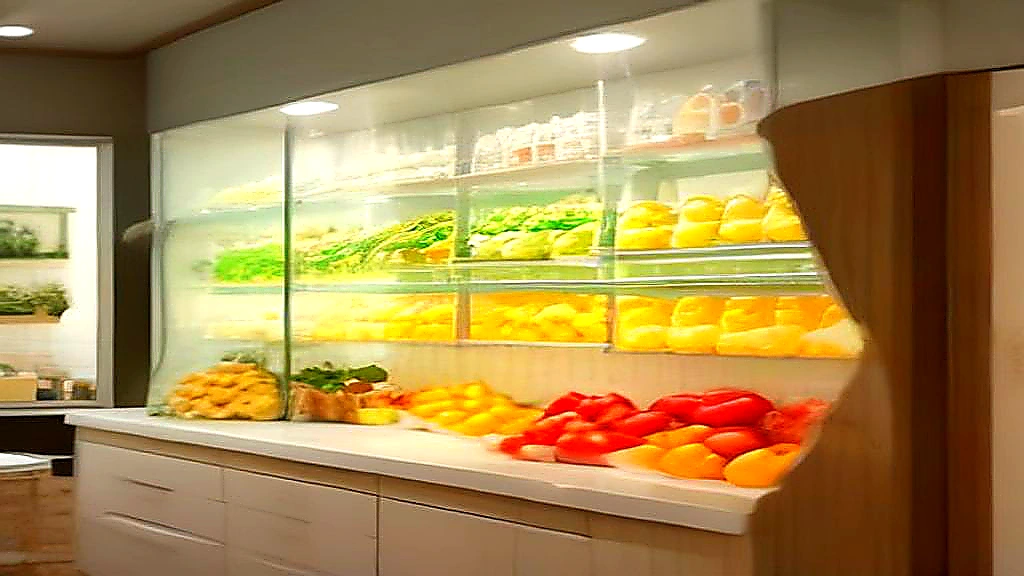
Capacity, Footprint, and Doors vs Drawers
Capacity is usually described by shelf count, interior cubic feet, or how many full-size trays or pans you can stage. Match capacity to peak display needs, not only average sales; an empty-looking case hurts impulse buys, while overfilling blocks airflow in refrigerated models.
Footprint matters as much as capacity. Measure depth from the front edge of the counter to the wall or aisle, allow clearance for door swing or sliding glass, and plan guest flow so the case does not block POS or pickup. Under-counter or low-profile merchandisers can work in tight spaces; tall curved-glass cases sell better in open dining but need more floor area.
Glass doors, open fronts, and service style
Self-serve glass-door cases reduce labor and protect product; full-service rear-load cases keep staff in control of plated items. Sliding doors save aisle space; hinged doors can seal better but need swing clearance. Drawers are less common on bakery merchandisers than on chef bases or undercounters, but refrigerated bases under a display can add cold storage for backup trays without enlarging the guest-facing footprint.
Layout next to other commercial refrigeration
Place the bakery case where guests naturally queue, and keep it clear of heat from ovens, dishwashers, and coffee equipment that can raise case load and energy use. Coordinate power circuits with nearby reach-ins, ice machines, and bar coolers so you do not overload a single run during peak hours.
Temperature Recovery, Energy Use, and Daily Operation
Refrigerated bakery display cases open frequently during service. Strong temperature recovery means the cabinet returns to set point quickly after door openings or tray changes, which protects product quality and reduces food-safety risk. Avoid blocking return vents with overloaded shelves, and stage product on trays that allow air to move around items.
Energy use depends on glass area, door seals, LED lighting load, ambient kitchen heat, and how often doors open. LED lighting improves color and cuts heat versus older lamps. Keep condenser coils clean, gaskets intact, and door closers adjusted-simple maintenance that also extends compressor life.
Cleaning and food presentation
Wipe glass inside and out on a set schedule; fingerprints and sugar film cut sales as much as they hurt sanitation. Remove crumbs from shelves and pans daily, sanitize food-contact surfaces per your HACCP plan, and empty drain pans on refrigerated units so condensate does not create odors or slip hazards.
Installation and utility checklist
Confirm voltage, phase, and dedicated circuit before delivery. Verify condensate management (evaporator pan vs drain connection), leveling on uneven floors, and manufacturer clearances for intake and exhaust. If the case ships with remote refrigeration, plan line sets and condensing-unit location with your installer-not as an afterthought on opening day.
How to Compare Specs Without Guesswork
Ask vendors for documented holding temperature range, interior dimensions, shelf adjustable ranges, door type, lighting type, amperage, and warranty terms for compressor and sealed system. Compare apples to apples: a curved full-view refrigerated bakery display case will not match the energy profile of a small countertop dry case.
Cross-check against your menu mix, peak covers, and whether you need overnight holding or daily bake-and-fill. If you already run prep tables, undercounters, or walk-ins for backup storage, size the display for merchandising first and storage second-then buy cold storage capacity where it is cheaper per cubic foot.
Buyer questions that prevent costly mistakes
Will guests self-serve or will staff plate from the rear? Do you need dual dry and refrigerated zones in one footprint? What ambient temperature will the case see near ovens or sunlight? Who will clean glass and coils, and how often? Answering these before you shop narrows models faster than browsing catalogs alone.
Frequently Asked Questions
What is the difference between a dry and refrigerated bakery display case?
A dry bakery display case holds ambient, non-refrigerated baked goods for visual merchandising. A refrigerated bakery display case actively cools perishable items such as cream-filled pastries and cheesecakes to help keep them at safe holding temperatures.
Can I store all bakery items in one refrigerated display case?
Not always. Some breads and cookies stale faster in cold, humid air, while cream and custard products need refrigeration. Many shops use both dry and refrigerated displays, or a dual-zone case, so each product gets the right climate.
How do I estimate the right capacity for a bakery display case?
Base capacity on peak display demand-how many trays you want visible at the busiest hour-plus a small buffer. Measure tray or pan sizes you already use, then match shelf spacing and interior width rather than relying only on a single cubic-foot number.
Do bakery display cases use a lot of energy?
Refrigerated glass merchandisers use more energy than dry cases because of compressors, fans, and large glass surfaces. You can limit waste with LED lighting, tight door seals, clean condensers, sensible set points, and placement away from heat sources.
What should I check before installing a refrigerated bakery display case?
Verify electrical requirements, floor leveling, ventilation clearances, and how condensate will be handled. Confirm door swing or sliding clearance for staff and guests, and schedule delivery so the unit can acclimate and be started per the manufacturer's instructions.
How often should I clean a bakery display case?
Clean guest-facing glass and visible shelves throughout the day as needed, and do a full wipe-down of shelves, pans, and accessible interiors daily. For refrigerated models, follow a regular schedule for gaskets, drains, and condenser coils so cooling performance stays consistent.
Conclusion
The right dry and refrigerated bakery display case protects product quality, supports impulse sales, and fits the same practical standards you use for reach-ins, prep tables, and other commercial refrigeration: correct temperature, workable footprint, and serviceable design.
Map your menu to dry vs refrigerated needs, measure the install space and utilities, then compare door style, capacity, recovery, and cleaning access before you buy. When you are ready, shortlist two or three models and walk through installation and warranty details with your supplier or refrigeration tech.
Looking for a ready-to-order option? Explore this Dry and Refrigerated Bakery Display Case on HorecaStore.

Comments
Post a Comment