Water Cooled Ice Machine Buying Guide for Kitchens
Water Cooled Ice Machine: A Practical Buying Guide
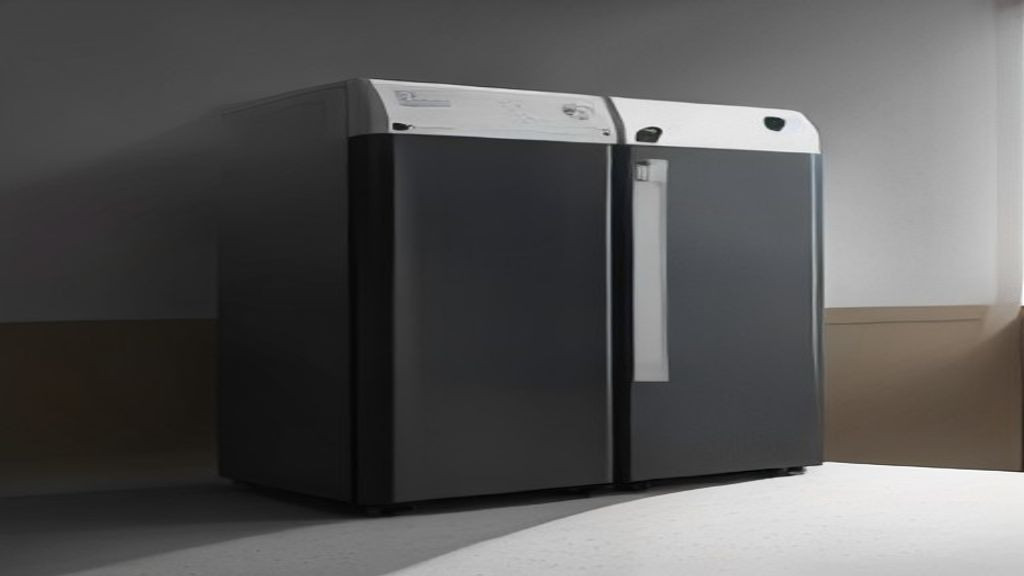
A water cooled ice machine can be the right fit when your kitchen runs hot, your ice demand stays high, and air-cooled units struggle to keep up. For restaurant owners, kitchen managers, and equipment buyers, the decision is less about brand slogans and more about site conditions: ambient heat, water availability, drain capacity, and how much ice you actually need during peak service. For more background, see Learn more about Water Cooled Ice Machine.
Commercial ice production sits alongside reach-ins, undercounters, prep tables, and walk-ins as part of a larger refrigeration plan. Choosing the wrong cooling method can mean slow recovery after rushes, higher utility bills, or install headaches that show up after the unit is already on the floor.
This guide explains how water-cooled ice machines work, where they outperform air-cooled models, what to check before you buy, and how to keep them reliable without inventing specs that only a manufacturer's sheet can confirm.
How a Water Cooled Ice Machine Works in a Busy Kitchen
A water cooled ice machine rejects heat from the refrigeration cycle by circulating condenser water instead of relying mainly on kitchen air flowing across a condenser coil. That matters in tight cook lines, dish pits, and back rooms where ambient temperatures climb and air-cooled condensers lose efficiency.
In practical terms, water cooling can help the machine maintain more consistent ice production when the surrounding space is warm or poorly ventilated. You still need adequate water supply, a proper drain path, and enough clearance for service-cooling method does not remove basic install requirements.
Where water cooling helps most
Water-cooled units tend to make the most sense in high-ambient environments: enclosed kitchens without strong makeup air, locations near ovens or dishwashers, and spaces where an air-cooled condenser would recirculate hot exhaust. They can also reduce the amount of heat dumped into the room compared with air-cooled machines, which may ease load on nearby HVAC and other refrigeration.
Trade-offs you should expect
The trade-off is water use and plumbing complexity. Condenser water must be supplied continuously while the machine runs, and that water typically goes to drain unless your facility has an approved recirculation or cooling-tower arrangement. Always confirm local water and sewer rules before you assume a water cooled ice machine is allowed or economical.
Capacity, Footprint, and Matching Ice Output to Service
Buyers often start with daily pound ratings, but real kitchens care about ice when tickets spike-lunch, dinner, happy hour, or banquet turns. Compare published 24-hour production under stated test conditions, then discount for your hotter ambient, warmer inlet water, and frequent door openings on bins or dispensers.
Footprint matters as much as capacity. Measure width, depth, and height with door swing, utility connections, and filter housings included. A machine that fits on paper may still block aisle traffic or conflict with undercounter refrigeration and prep tables nearby.
Modular heads, undercounter units, and bin pairing
Modular ice makers mount on a separate bin or dispenser; undercounter models combine production and storage in a smaller package for bars and satellite stations. Match the ice maker's rated output to bin storage so you do not empty the reserve mid-rush, and confirm the bin opening and ice type (cube, half-cube, nugget, flake) fit your drinks, plating, and display needs.
Doors, drawers, and workflow around the machine
Ice equipment itself is usually a lift-door bin or dispenser rather than reach-in drawers, but the surrounding cold-line layout still matters. Keep clear paths from the ice station to the bar, expo, and wait stations. Avoid placing the machine where drawer bases, chef bases, or swinging reach-in doors fight for the same clearance during peak service.
Installation, Utilities, Energy, and Water Costs
Before purchase, verify water pressure and temperature within the manufacturer's required range, electrical service (voltage, phase, breaker size), and drain capacity. Water-cooled condensers need a dedicated condenser water line and drain in addition to the potable water feed used to make ice.
Energy use is not only compressor kilowatts. Factor total cost of ownership: electricity, condenser water and sewer charges, filter cartridges, and labor for cleaning. In some cities, water and wastewater fees make air-cooled or remote-cooled options cheaper over the life of the machine even if the water-cooled unit produces ice more steadily in a hot kitchen.
Air-cooled vs water-cooled vs remote condenser
Air-cooled machines are simpler to plumb and often cheaper to operate where kitchen air stays moderate and ventilation is good. Water-cooled machines can protect production in hot rooms but consume water. Remote condensers move heat outdoors and can reduce both kitchen heat gain and indoor noise, at the cost of line-set installation and exterior placement rules. Choose based on site survey data, not catalog preference alone.
Temp recovery and continuous demand
Ice machines do not "recover temperature" the same way a reach-in does after a door opening, but production rate and harvest cycle time determine how fast the bin refills after a rush. If your operation depletes storage quickly, prioritize sustained production in your ambient conditions, adequate bin volume, and a preventive maintenance schedule so scale and dirty condensers do not slow harvests.
Cleaning, Sanitation, and Day-to-Day Reliability
Ice is food. Follow the maker's clean-and-sanitize schedule for the water system, evaporator, distribution parts, and bin. Hard water accelerates scale on both the ice-making circuit and water-cooled condenser paths, which cuts efficiency and can cause incomplete harvests or shutdowns.
Use appropriate filtration for sediment and scale as specified for your water quality. Train staff not to scoop with glassware, to keep bin doors closed, and to report unusual noise, long freeze times, or off tastes early-small issues become no-ice emergencies during Friday service.
Service access and spare parts planning
Leave manufacturer-recommended clearance for panels, filters, and condenser connections. Ask your service partner about lead times for common wear parts, warranty coverage on the evaporator and compressor, and whether local technicians are familiar with water-cooled installations. Downtime cost often exceeds a modest premium for a well-supported model.
Frequently Asked Questions
What is a water cooled ice machine?
It is a commercial ice maker that removes heat from the refrigeration system primarily by circulating water through a water-cooled condenser, rather than relying mainly on kitchen airflow across an air-cooled condenser.
When should I choose a water cooled ice machine over air-cooled?
Choose water-cooled when ambient kitchen temperatures are high, airflow to an air-cooled condenser is limited, or you need more stable ice production in a hot mechanical space-and when your utility rates and plumbing make condenser water use acceptable under local codes.
Do water cooled ice machines use a lot of water?
They use potable water to make ice plus additional condenser water while the refrigeration system runs. Actual consumption varies by model, load, and water temperature, so compare manufacturer water-use data and local sewer rates before you buy.
What installation requirements should I plan for?
Plan for correct electrical service, potable water within required pressure and temperature ranges, a condenser water supply and drain (unless using an approved recirculating system), filtration as needed, and clearance for cleaning and service.
How do I size capacity for a restaurant or bar?
Estimate peak-period ice use for drinks, prep, and backup, then select production and bin storage that cover those peaks with a safety margin for warm inlet water and hot ambient conditions. When possible, validate estimates against similar dayparts in your operation.
How often should a commercial ice machine be cleaned?
Follow the manufacturer's cleaning and sanitizing intervals at a minimum, and clean more often in hard-water or high-yeast environments. Regular descaling and bin sanitation help protect ice quality and keep production closer to rated performance.
Conclusion
A water cooled ice machine is a site-driven choice: strong in hot, poorly ventilated kitchens when plumbing and water costs support it, and less ideal where air-cooled or remote condenser setups are simpler and cheaper to operate. Focus on real peak demand, measured utilities, footprint, and maintenance access-not just the headline daily pound rating.
If you are comparing ice machines alongside reach-ins, undercounters, prep tables, or walk-ins, treat ice as part of the full cold-side plan. Review manufacturer specification sheets for your shortlist, confirm local water rules, and walk the install location with your refrigeration tech before you purchase.
Looking for a ready-to-order option? Explore this Water Cooled Ice Machine on HorecaStore.


Comments
Post a Comment