Walk-In Coolers & Refrigerators Buying Guide
Walk-In Coolers & Refrigerators: A Practical Buying Guide
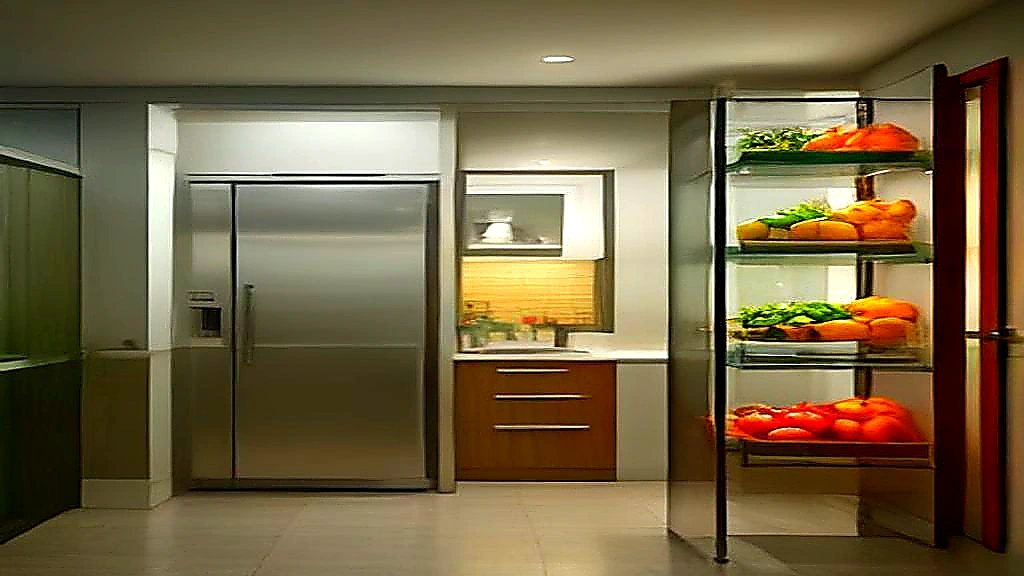
Walk-in coolers & refrigerators are the backbone of high-volume kitchens. When storage demand outgrows reach-ins and undercounters, a walk-in becomes the practical next step for bulk produce, proteins, dairy, and prepared foods. For more background, see Learn more about Walk-In Coolers & Refrigerators.
Choosing the right unit is about more than cubic feet. Footprint, door hardware, temperature recovery after busy service, energy use, cleaning access, and installation constraints all affect daily workflow and operating cost.
This guide from Commercial Refrigeration Guides helps restaurant owners, kitchen managers, and equipment buyers compare walk-ins against other commercial refrigeration options and decide what fits your menu, layout, and budget.
When Walk-In Coolers & Refrigerators Make Sense
A walk-in is usually the right move when you need dedicated cold storage that staff can enter, organize by zone, and restock from wholesale deliveries without constant rearranging of reach-in shelves. High-ticket items and high-turnover prep also benefit from clearer FIFO staging inside a walk-in.
If you mainly need quick access at the cook line, pair a walk-in with reach-ins, undercounters, chef bases, or prep tables instead of forcing every product into one distant box. Walk-ins excel at bulk holding; line equipment excels at speed.
Capacity and footprint planning
Start with what you store weekly: cases of produce, protein boxes, sheet pans, and beverage kegs or bottles if applicable. Plan clear aisle space so carts and racks can move without blocking the door. Measure the room for exterior dimensions, ceiling height, and service clearances-not only the advertised interior volume.
Cooler vs. freezer walk-ins
Cooler walk-ins typically hold refrigerated foods in the mid-30s °F range; freezer walk-ins hold frozen inventory well below freezing. Some operators use a cooler with a freezer section or a separate freezer box. Match the box type to product mix so you are not over-freezing perishables or under-protecting frozen stock.
Doors, Layout, and Daily Workflow
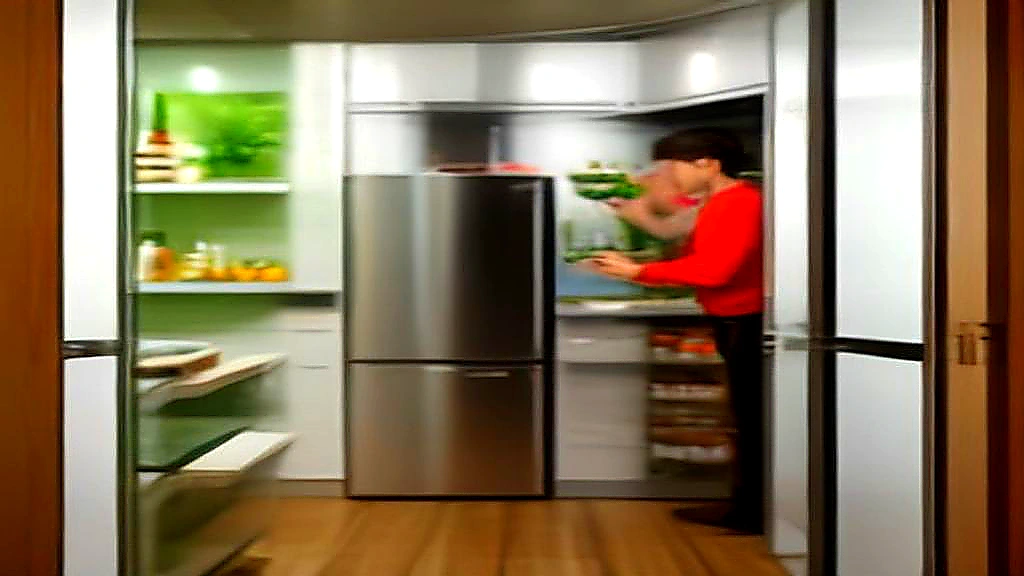
Door choice shapes energy loss and traffic flow. Hinged doors are common and simple; sliding doors can save swing space in tight corridors. Strip curtains or air curtains (where appropriate) help limit warm air intrusion during frequent entries.
Inside the walk-in, plan shelving depth, rack lanes, and zones for raw vs. ready-to-eat items. Keep high-use items near the door and bulk overflow deeper inside to reduce door-open time during service.
Doors vs. drawers elsewhere in the kitchen
Walk-ins use full-height doors by nature. Drawers belong on chef bases and some undercounters where cooks need rapid access without a full door swing. Use the walk-in for bulk storage and drawers or reach-ins for line-side mise en place.
Temperature recovery during rush
Every door opening dumps cold air and pulls in heat and humidity. Units with adequate refrigeration capacity for your climate and traffic recover faster after deliveries and peak service. Avoid overloading coils with cardboard or blocking return airflow, which slows recovery and raises energy use.
Energy Use, Installation, and Cleaning
Energy cost over the life of a walk-in often matters as much as purchase price. Look for well-insulated panels, tight door gaskets, efficient evaporator and condenser setup, and LED lighting. Keep condensers clean and give outdoor or remote systems the clearances the manufacturer specifies.
Installation quality determines performance. Confirm floor type (including whether you need a floor panel), drain locations, electrical service, and whether the refrigeration system is top-mount, remote, or another configuration suited to your kitchen heat and noise limits.
Cleaning and food safety habits
Schedule wipe-downs of walls, floors, and shelving; clean door gaskets; and keep condensate drains clear. Monitor temperatures with a reliable thermometer or logging practice, and leave space around product for airflow so cold air can circulate.
How walk-ins fit with other equipment
Think of walk-ins as the hub, then place reach-ins, prep tables, merchandisers, bar coolers, ice machines, and freezers where staff actually work. That mix reduces traffic into the walk-in and keeps the box colder and more efficient.
Buying Checklist for Restaurant Buyers
Before you order, write down menu volume peaks, delivery schedules, available square footage, and whether the walk-in will sit indoors, outdoors, or against an exterior wall. Note door swing direction, ramp or threshold needs, and who will maintain the refrigeration system.
Compare quotes on panel thickness and insulation, door hardware, lighting, shelving, warranty terms, and install scope-not sticker price alone. Ask vendors how the system is sized for your climate and door-open frequency so temperature recovery stays realistic in real kitchens.
Questions to ask suppliers
Ask about lead times, install responsibilities, startup checks, recommended cleaning intervals, and what spare parts (gaskets, lamps, fan motors) are easy to source. Clarify who handles refrigerant service and what happens if the box is expanded later.
Frequently Asked Questions
What is the difference between walk-in coolers and walk-in refrigerators?
In commercial kitchens, the terms are often used interchangeably for refrigerated walk-in storage. "Cooler" usually means a refrigerated (not frozen) walk-in. Confirm the target holding temperature and whether you need a cooler, freezer, or combination setup.
How do I size walk-in coolers & refrigerators for a restaurant?
Estimate weekly bulk storage needs, leave aisle and cart space, and measure the install area for exterior footprint and height. Size refrigeration capacity for climate, insulation, and how often the door will open-not interior volume alone.
Are walk-ins more efficient than multiple reach-ins?
For large bulk storage, a well-insulated walk-in with good door discipline can be more practical than many small reach-ins. For line-side speed, reach-ins and undercounters still win. Many kitchens use both.
What installation issues should I plan for?
Plan electrical service, drainage, floor and ceiling clearances, condenser location and airflow, door swing or slide path, and whether a insulated floor is required. Poor install planning is a common cause of weak performance.
How often should I clean a walk-in cooler?
Clean spills immediately and schedule routine cleaning of floors, walls, shelves, gaskets, and drains. Keep condenser coils clear per your maintenance plan so the system can reject heat efficiently.
Can I use a walk-in instead of a prep table or chef base?
Not as a full replacement. Walk-ins hold bulk product; prep tables and chef bases keep ingredients at the cook line. Use the walk-in for storage volume and line refrigeration for speed and workflow.
Conclusion
Walk-in coolers & refrigerators pay off when bulk storage, organization, and delivery volume outgrow reach-ins alone. Focus on footprint, door traffic, temperature recovery, energy habits, and a clean install-not just listed capacity.
Use this checklist to compare quotes, then match the walk-in with the right mix of reach-ins, prep tables, freezers, and other line equipment. For more practical comparisons across commercial refrigeration categories, keep exploring Commercial Refrigeration Guides before you buy.
Looking for a ready-to-order option? Explore this Walk-In Coolers & Refrigerators on HorecaStore.


Comments
Post a Comment