Walk-In Cooler / Freezer Combo Buying Guide
Walk-In Cooler / Freezer Combo: A Practical Buying Guide
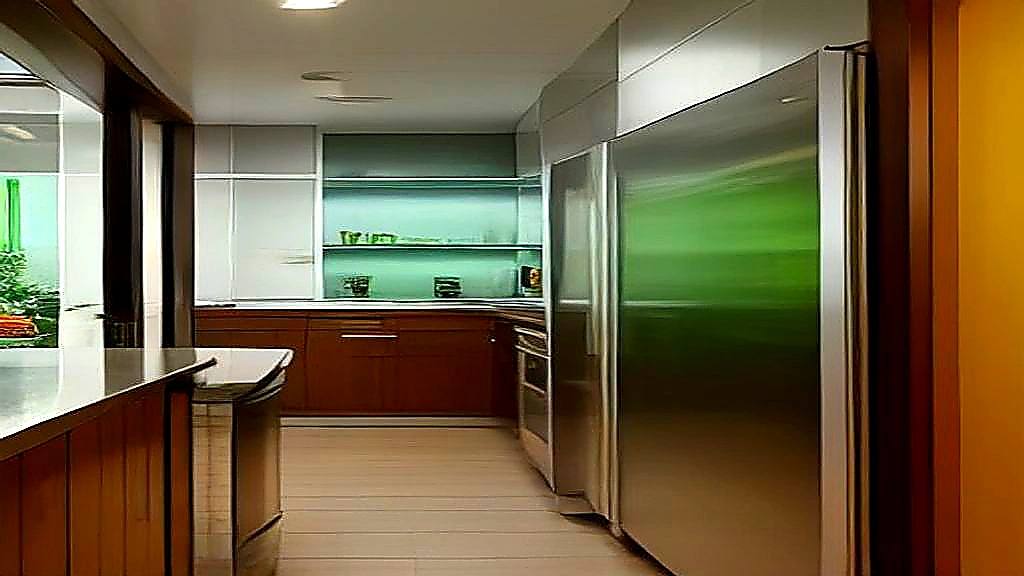
A walk-in cooler / freezer combo gives busy kitchens cold and frozen storage in one footprint. For restaurants short on back-of-house space, that shared shell can mean fewer exterior walls to build, one installation path, and clearer inventory flow between chilled prep and frozen holding. For more background, see Learn more about Walk-In Cooler / Freezer Combo.
This guide is for restaurant owners, kitchen managers, and equipment buyers comparing commercial refrigeration options. You will not find invented model numbers or fake BTU ratings here-only decision criteria that hold up when you talk to dealers, installers, and service techs.
Use it alongside quotes for reach-ins, undercounters, chef bases, and prep tables so you size the walk-in to what those units cannot hold, rather than guessing capacity from a brochure alone.
When a Walk-In Cooler / Freezer Combo Makes Sense
Choose a combo when you need both refrigerator and freezer volume but cannot justify two separate walk-ins, or when your layout favors one exterior envelope with an interior partition. Combos shine in mid-volume kitchens that receive mixed deliveries-produce and dairy on the cool side, proteins and ice cream on the freeze side-and want staff to move product without leaving the cold room.
They are less ideal if your frozen and chilled demand is wildly unbalanced, if health codes or workflows require fully separate rooms, or if future growth will force you to expand only one temperature zone. In those cases, a single walk-in cooler plus reach-in freezers (or the reverse) can be more flexible.
Combo vs. two walk-ins or reach-ins
Two standalone walk-ins cost more in panels, floors, refrigeration lines, and often in floor space. A bank of reach-ins is easier to relocate and service unit-by-unit, but doors open more often and capacity per square foot is usually lower. Ask your dealer to price a combo shell against an equivalent cooler walk-in plus freezer reach-ins so you compare total ownership cost, not just sticker price.
Who benefits most
Independent restaurants, ghost kitchens with tight footprints, and multi-concept operators sharing a commissary often benefit most. High-volume commissaries with separate receiving docks for chilled and frozen freight may still prefer dedicated rooms for traffic control and temperature discipline.
Sizing Capacity, Footprint, and Door Layout
Start with inventory, not aisle width. List peak-week SKUs by case count for chilled and frozen storage, then add buffer for delivery gaps and prep staging. Convert that to cubic feet with your distributor's case dimensions, then confirm that shelving depth and aisle clearance still leave room for carts and code-required egress.
Footprint is driven by panel module sizes, door swings, and whether the evaporator and condensing equipment sit indoors, outdoors, or on the roof. Measure clear height under ducts and hoods before you lock in a panel height. Undersizing the freezer side is a common mistake-frozen proteins expand storage needs faster than most buyers expect.
Doors, partitions, and traffic flow
Most combos use a shared vestibule or a partition with a cooler door and a freezer door. Specify door width for your largest cart or speed rack, and decide whether strip curtains or air curtains are worth the energy savings versus cleaning burden. Hinged doors are simpler; sliding doors can save swing space in tight corridors. Drawer-style cold storage belongs on undercounters and chef bases-not inside a walk-in-so keep walk-in access door-based.
Temperature zones and recovery
Cooler compartments typically target roughly 35-38°F for most foodservice holding; freezers commonly target 0°F or below for long-term frozen storage-confirm setpoints with your menu and local code. Temp recovery after door openings depends on evaporator capacity, door seals, how often staff enter, and whether the partition is well insulated. During demos or references, ask how long the unit takes to pull down after a busy lunch rush with both doors in use.
Energy Use, Cleaning, and Installation Realities
Energy cost tracks compressor runtime, ambient conditions at the condenser, door discipline, lighting type, and insulation integrity. Outdoor condensers in hot climates work harder; dirty coils and torn gaskets quietly erase any efficiency gains from a new package. LED fixtures, well-fitted door sweeps, and scheduled coil cleaning usually pay back faster than chasing minor differences between similar-sized systems.
Cleaning should be planned into the design: smooth floors with proper slope to drains where required, accessible evaporator pans, and shelving that comes off without tools when possible. Grease-laden kitchens need more aggressive condenser maintenance schedules than dry storage corridors.
What installers need before delivery
Confirm floor load ratings, drain locations, electrical service (voltage, phase, dedicated circuits), refrigerant line runs, and whether the condensing unit needs a pad, roof curb, or remote location with adequate airflow. Panel walk-ins need a level floor and a clear path for panel delivery. Involve your HVAC/R contractor early so the refrigeration match is sized to the box load, not guessed from a generic catalog.
Service access and long-term ownership
Leave clearance around condensers and control panels. Keep a log of setpoint changes, defrost schedules, and gasket replacements. Train staff to close doors promptly and to stage product before entering so both cooler and freezer recover faster. When comparing bids, ask about warranty coverage on panels versus refrigeration components and who responds for after-hours failures.
How to Compare Quotes Without Getting Lost in Spec Sheets
Line up quotes on the same basis: interior cubic feet per zone, panel thickness and R-value class as stated by the manufacturer, door count and type, lighting, shelving included or not, remote versus indoor condensing, and startup/commissioning. Ignore vanity features until capacity, install scope, and service terms match.
Cross-check whether you still need reach-ins near the line, undercounter drawers for mise en place, a prep table for assembly, or an ice machine with its own drain and condenser clearance. A walk-in cooler / freezer combo should complement those pieces, not replace every cold station on the cook line.
Questions to ask every dealer
Ask for pull-down expectations in your ambient conditions, recommended defrost strategy for the freezer side, lead times for panels and refrigeration, and a written install scope that includes electrical, drains, and startup. Request references from similar kitchen volumes. If a price seems far below others, look for missing shelving, thinner panels, or buyer-responsible refrigeration.
Frequently Asked Questions
What is a walk-in cooler / freezer combo?
It is a single walk-in structure divided into refrigerated and frozen compartments, usually sharing exterior walls and sometimes a vestibule, so you get both temperature zones without building two fully separate walk-ins.
How do I size cooler vs. freezer space in a combo?
Base each side on peak inventory and delivery cadence, not equal halves by habit. Count cases for chilled and frozen SKUs separately, add staging space, then verify aisle and door clearances before you approve panel dimensions.
Are combo walk-ins more energy efficient than two separate units?
They can reduce exterior wall area and shared infrastructure, which may help, but real energy use depends on door traffic, seal condition, condenser location, insulation, and maintenance. Compare modeled loads for your climate and usage, not marketing claims alone.
Do I still need reach-ins if I install a combo walk-in?
Often yes. Walk-ins hold bulk inventory; reach-ins, undercounters, chef bases, and prep tables keep working stock at the line. Plan both so cooks are not making constant trips into the walk-in during service.
What installation issues delay walk-in cooler / freezer combo projects?
Uneven floors, incomplete electrical service, missing drains, blocked paths for panel delivery, and late decisions on remote condenser placement are common delays. Lock those details before panels ship.
How should staff clean and maintain a combo walk-in?
Wipe spills promptly, keep drains clear, clean door gaskets and thresholds, follow a coil-cleaning schedule for condensers and evaporators, and avoid blocking return airflow with overpacked shelves. Schedule professional refrigeration checks per your warranty and local practice.
Conclusion
A walk-in cooler / freezer combo is strongest when your menu needs both temperatures, your footprint is limited, and you are ready to specify capacity, doors, and install scope with the same rigor you use for line equipment. Treat energy and recovery as outcomes of design and habits, not as afterthoughts on the quote.
Next, audit your current cold storage pain points, sketch cooler and freezer case counts, and request matched bids that include refrigeration, shelves, and startup. Commercial Refrigeration Guides is here to help you compare walk-ins with reach-ins, prep tables, ice machines, and the rest of your cold side-so the combo you buy fits the kitchen you actually run.
Looking for a ready-to-order option? Explore this Walk-In Cooler / Freezer Combo on HorecaStore.


Comments
Post a Comment