Undercounter Freezer Buying Guide for Kitchens
Undercounter Freezer Buying Guide for Commercial Kitchens
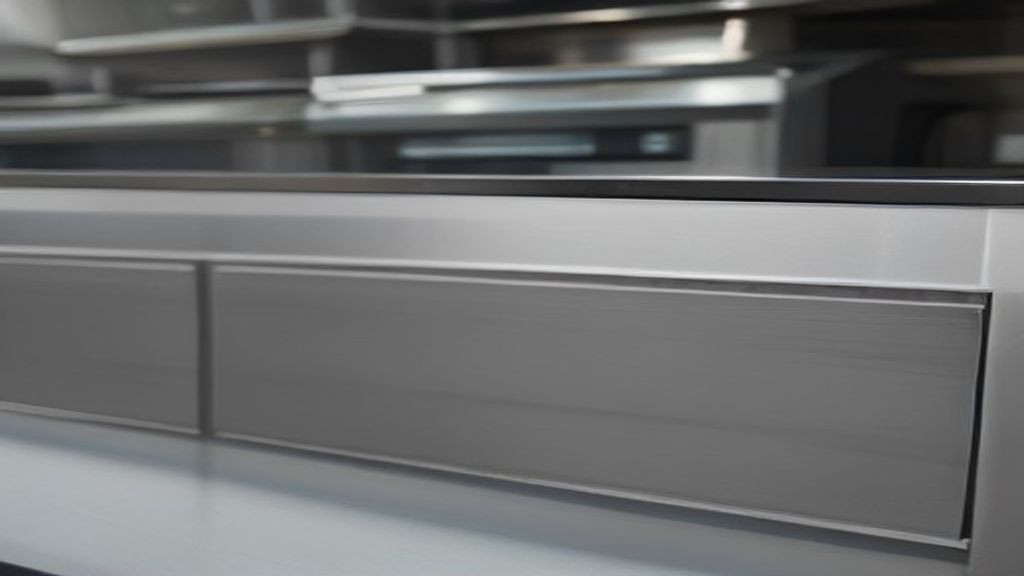
An undercounter freezer is one of the most practical cold-storage upgrades a busy restaurant can make. It keeps frozen product within arm's reach of the cook line, frees up walk-in space for bulk inventory, and helps stations run with fewer trips across the kitchen. For more background, see Learn more about Undercounter Freezer.
For restaurant owners, kitchen managers, and equipment buyers, the decision is rarely just about price. Footprint, door or drawer configuration, recovery performance during peak service, energy use, and cleaning access all affect whether a unit helps or hinders daily operations.
This guide from Commercial Refrigeration Guides walks through what to evaluate before you buy, how undercounter freezers fit alongside reach-ins, chef bases, and prep tables, and which questions to ask vendors so you choose equipment that matches your menu and workflow.
What an Undercounter Freezer Is-and When You Need One
An undercounter freezer is a compact commercial freezer designed to sit beneath a work surface, typically matching standard counter height so staff can prep above it while storing frozen items below. Unlike a full-height reach-in, it prioritizes station-level access over maximum cubic footage.
These units shine when a station needs frequent grabs of frozen proteins, dough, ice cream bases, or backup product without opening a walk-in. They are also useful in bars, pastry areas, and satellite kitchens where a full freezer would waste floor space. If your team already has adequate bulk frozen storage but loses time walking for portioned items, an undercounter freezer is often the better fit than another reach-in.
How it differs from reach-ins, chef bases, and prep tables
Reach-in freezers store more volume and suit bulk holding. Chef bases put refrigerated or frozen drawers under cooking equipment for proteins ready for the grill or fryer. Prep tables focus on refrigerated pans for make lines. An undercounter freezer sits between these roles: compact frozen storage at the station without the cooktop integration of a chef base or the pan rail of a prep table. Match the form factor to the task, not just the available plug.
Typical use cases in restaurants and bars
Common placements include the fry station for frozen fries and appetizers, pastry for butter and dough, catering lines for backup product, and bar back bars for frozen mixers or glassware chilling support when paired with other bar coolers. Always confirm local codes and manufacturer guidance for installation near heat sources and grease-heavy equipment.
Capacity, Footprint, and Layout Planning
Before comparing brands, measure the opening: width, depth, and height under the counter, plus clearance for doors or drawers to open fully and for rear or side ventilation. An undercounter freezer that fits the cabinet cutout but cannot breathe will short-cycle, struggle to hold temperature, and burn more energy.
Capacity is usually discussed in cubic feet and in how well the interior layout supports your pans, boxes, or hotel pans. A slightly smaller interior that holds your actual containers efficiently can outperform a larger unit filled with poorly stacked cartons. Plan for the product you open most often at that station, and leave bulk overflow in the walk-in.
Doors vs drawers: workflow tradeoffs
Solid doors are often simpler, easier to clean, and better when you store mixed box sizes. Drawers help portion control and reduce cold-air loss during quick pulls, which matters on a hot cook line. Drawers can limit oversized packaging, so verify interior dimensions against your case packs. If both styles are available in your size class, choose based on grab frequency and packaging, not appearance alone.
Placement near heat, grease, and traffic
Keep condenser intake paths clear of fryers, ovens, and clogged kick plates. High ambient kitchen heat makes any freezer work harder, so allow the clearances listed by the manufacturer and avoid blocking louvers with carts or trash cans. Also plan aisle width so drawers and doors do not collide with staff traffic during peak service.
Performance Factors Buyers Should Compare
Commercial kitchens open equipment constantly. Temperature recovery-how quickly the cabinet returns to set point after door openings-matters as much as the listed operating range. Ask vendors how the unit is intended for undercounter kitchen use, not just residential-style holding, and whether it is built for frequent access.
Energy use adds up over years of 24/7 operation. Look for commercial efficiency labeling where applicable, LED lighting if equipped, and solid doors when you do not need product visibility. Also confirm electrical requirements early: voltage, dedicated circuit needs, and whether the location already has the correct receptacle.
Temperature holding and recovery during service
Frozen product quality depends on stable temperatures through rushes. Train staff to open only what they need, avoid blocking airflow with overpacked shelves, and use the walk-in for long-term bulk so the undercounter freezer is not treated like a storage dump. If your line is extremely hot, discuss higher-ambient ratings or better-ventilated placements with your supplier.
Cleaning, maintenance, and installation basics
Budget time for condenser cleaning on a schedule suited to a greasy kitchen-dust and oil on coils are common causes of warm cabinets and compressor stress. Confirm whether the unit is front-breathing for tight installs, how condensate is handled, and whether leveling legs or casters are supplied. Have a qualified technician verify utilities, drains if required, and startup temperatures before you load product.
Buying Checklist: Match Specs to Menu and Budget
Write down the station, the products stored, peak open rate, available width, door swing or drawer pull space, and electrical path. Use that list when comparing quotes so you are not swayed by list price alone. Include warranty terms, parts availability, and local service coverage-downtime on a cook-line freezer is expensive.
Compare total cost of ownership: purchase price, estimated energy use, filter or condenser cleaning labor, and expected service intervals. A well-placed undercounter freezer that reduces walk-in trips can pay for itself in labor and consistency, while an undersized or poorly ventilated unit becomes a daily headache.
Questions to ask before you purchase
Ask about interior dimensions with shelves or drawers installed, recommended clearances, ambient operating limits, defrost method, warranty on compressor and parts, and whether the unit is intended for commercial foodservice. Request cut sheets and confirm delivery path through doors and into the kitchen so install day is not the first time you discover a clearance problem.
Frequently Asked Questions
What is an undercounter freezer used for in a restaurant?
It provides compact frozen storage at a work station so staff can access frequently used items without walking to a reach-in or walk-in. It supports cook lines, pastry, catering, and bar areas where space is limited and speed matters.
Should I choose doors or drawers on an undercounter freezer?
Choose doors for mixed box sizes and simpler cleaning. Choose drawers when you need fast, portioned access and want to limit cold-air loss during quick pulls. Always check interior dimensions against your packaging.
How much space does an undercounter freezer need?
Measure width, depth, and height under the counter, plus room for doors or drawers to open and for manufacturer-required ventilation clearances. A unit that fits the opening but cannot vent properly will not hold temperature reliably.
How is an undercounter freezer different from a chef base?
A chef base is built to sit under cooking equipment and often uses drawers for proteins ready for the line. An undercounter freezer is general under-counter frozen storage without that cooktop integration. Pick based on whether storage sits under a range or under a prep surface.
What maintenance does an undercounter freezer need?
Keep condenser coils and intake areas clean on a kitchen-appropriate schedule, keep vents unblocked, check door gaskets for tight seals, and have a technician address unusual noise, icing, or temperature drift early. Follow the manufacturer's cleaning and service guidance.
Can I put an undercounter freezer next to a fryer or oven?
Only with proper clearances and ventilation. Heat and grease raise ambient temperature and foul coils, which hurts recovery and energy use. Follow the cut sheet and place the unit where intake air stays as cool and clean as practical.
Conclusion
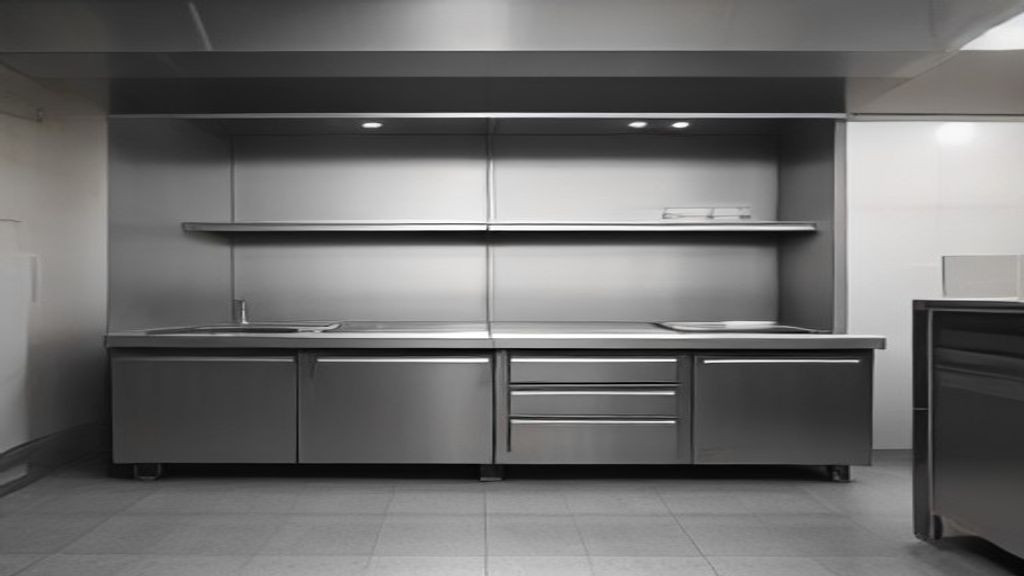
Choosing the right undercounter freezer means matching footprint, door or drawer style, capacity, and recovery needs to a specific station-not buying the largest cabinet that fits under a counter. Measure carefully, plan airflow, and compare energy use and service support alongside purchase price.
If you are outfitting a cook line or comparing undercounters with reach-ins, chef bases, and prep tables, use this checklist on your next quote review. Commercial Refrigeration Guides is here to help you evaluate commercial refrigeration equipment with practical buying criteria so your kitchen stays cold, efficient, and ready for service.
Looking for a ready-to-order option? Explore this Undercounter Freezer on HorecaStore.


Comments
Post a Comment