Sandwich And Salad Prep Table Buying Guide
Sandwich And Salad Prep Table: How to Choose the Right Unit
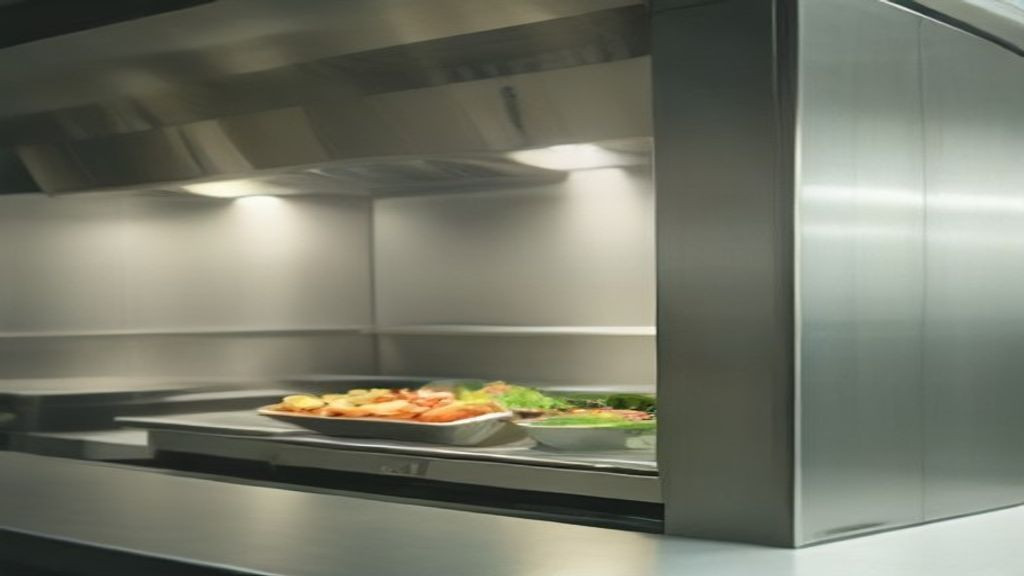
A sandwich and salad prep table keeps ingredients chilled, organized, and within arm's reach of your make line. For restaurants, cafés, delis, and quick-service kitchens, the right unit can speed ticket times while protecting food quality and food-safety temperatures. For more background, see Learn more about Sandwich And Salad Prep Table.
Unlike a standard undercounter cooler, a sandwich and salad prep table combines refrigerated base storage with a refrigerated pan rail and a cutting board work surface. That layout is ideal for building sandwiches, salads, wraps, and bowls during busy service.
This guide from Commercial Refrigeration Guides walks through capacity, footprint, doors versus drawers, temperature recovery, energy use, cleaning, and installation so kitchen managers and buyers can compare models with clearer criteria-and avoid costly mismatches.
What a Sandwich and Salad Prep Table Does on the Line
A sandwich and salad prep table is built for high-frequency assembly. Pan rails hold third-size, sixth-size, or other compatible food pans of toppings, proteins, cheeses, and dressings. The refrigerated cabinet below stores backup pans, backups of protein, produce cases, and mise en place that needs to stay cold between rushes.
The cutting board gives your team a dedicated prep surface so they are not walking back and forth to a reach-in or walk-in for every order. When the rail and cabinet hold steady temperatures under load, product quality stays consistent from first ticket to last.
Prep tables vs. undercounters, chef bases, and reach-ins
Undercounter refrigerators prioritize cold storage under a worktop but usually lack a full refrigerated pan rail designed for open-pan service. Chef bases support heavy cooking equipment on top and store product in drawers below; they are not a sandwich make station. Reach-ins offer deeper cabinet capacity for bulk storage but do not put ingredients at the make line the way a sandwich and salad prep table does. Many kitchens use all three: a prep table on the line, undercounters for overflow, and reach-ins or walk-ins for back-of-house inventory.
When a sandwich and salad prep table is the better fit
Choose a prep table when your menu depends on fast assembly of cold or room-temp toppings held in pans, and your station needs both a board and refrigerated rail. If you mainly need bulk cold storage with no open-pan rail, a reach-in or undercounter may serve you better. High-volume pizza or make-line concepts may also consider pizza prep tables with deeper cutting boards and different pan configurations-compare rail depth, board depth, and pan layout against your actual recipes.
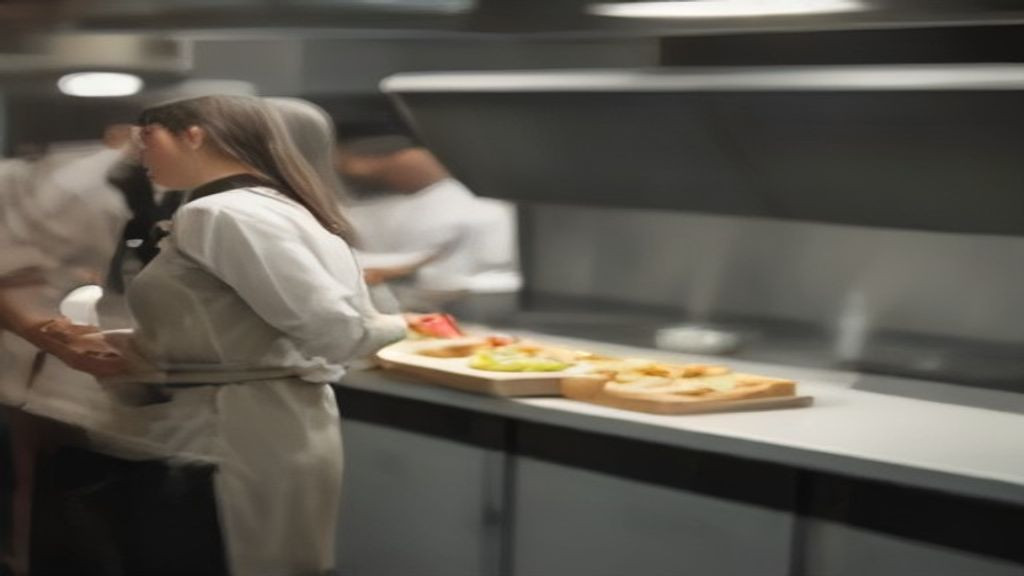
Capacity, Footprint, and Layout Decisions That Affect Throughput
Start with menu volume and pan count, not catalog length alone. Count how many unique toppings you need on the rail during peak, then add a buffer for doubles of high-turn items. Common commercial widths include compact units for tight lines and longer tables that hold more pans across the rail-always verify exterior dimensions against your aisle clearances, hood overhangs, and adjacent equipment.
Cabinet cubic feet matter for backup product, but usable shelf space and pan rail capacity often matter more day to day. Measure door swing, drawer pull, and whether staff can open the unit without blocking traffic. Leave room for cleaning access and for the condenser airflow path recommended by the manufacturer.
Doors vs. drawers in the refrigerated base
Door cabinets are familiar, often lower cost to service, and work well when you store larger containers or sheet pans on shelves. Drawers can speed access to portioned pans and reduce how long the cabinet stays open during rushes-useful when the station faces constant in-and-out traffic. Mixed configurations (doors and drawers) appear on some lines; match the layout to how your crew actually pulls product. Check load ratings, drawer depth for your pan sizes, and how easily drawers can be removed for cleaning.
Cutting board depth, pan rail, and station workflow
Board depth affects how comfortably staff can assemble without crowding the rail. Rail lids or night covers help hold temperature and reduce drying when the line is idle. Confirm pan sizes (for example, sixth-size vs. third-size) and whether adapters are needed. Place the sandwich and salad prep table so tickets, bread or greens staging, and finishing tools flow in one direction-unnecessary steps compound during peak.
Temperature Performance, Energy Use, and Daily Operation
Commercial prep tables must keep the cabinet and pan rail in safe refrigerated ranges under real kitchen conditions-open lids, warm kitchens, and frequent door openings all challenge recovery. Look for clear manufacturer guidance on intended use (raised rail vs. forced-air designs vary), ambient limits, and whether the rail is rated for holding potentially hazardous foods in open pans during service.
Temperature recovery after rushes is a practical buying filter. Ask how the evaporator, airflow, and controls are designed to pull product back down after heavy use. Pair that with routine thermometer checks of both rail product and cabinet air or product temps as part of your food-safety logs.
Energy use and heat in the kitchen
Energy use depends on insulation, door/drawer gaskets, lid discipline, condenser cleanliness, and how often the unit runs in a hot kitchen. Units with efficient compressors and well-sealed gaskets tend to cost less to operate over time, but poor placement-tight against a wall that blocks condenser airflow, or next to an oven-can erase those gains. Keep intake and discharge paths clear, and schedule condenser coil cleaning so the system is not forced to run harder than necessary.
Cleaning, food safety, and maintenance routines
Design for cleanability: removable pans, accessible rail interiors, wipeable boards, and cabinets without hard-to-reach crumbs traps. Follow a daily wipe-down of the board and rail, regular gasket inspection, and scheduled deep cleans of drains and coils per the manual. Replace worn gaskets promptly; leaks raise energy use and temperature risk. Train staff to close lids when idle and to avoid blocking return air vents with overfilled pans or product.
Installation, Utilities, and Buying Checklist
Plan installation before delivery. Confirm electrical requirements (voltage, plug type, dedicated circuit), clearance for ventilation, and whether the unit is designed for built-in or open placement. Level the cabinet so doors and drawers seal and drain correctly. If you are replacing an older sandwich and salad prep table, measure the exact footprint and utility locations so the new unit does not force a line rebuild.
When comparing quotes, weigh warranty coverage on the compressor and parts, local service availability, lead times for pans and lids, and total cost of ownership-not only sticker price. Cross-check NSF or equivalent listings for intended commercial use, and verify that the rail and cabinet meet your health department expectations for holding temperatures during service.
A practical shortlist before you purchase
Confirm pan count and pan sizes against the menu; measure width, depth, and height including board and lids; choose doors, drawers, or both based on station workflow; ask about recovery under open-rail service conditions; plan condenser access and cleaning; verify electrical and clearance; and request warranty and service details in writing. If you also need ice machines, freezers, merchandisers, or bar coolers elsewhere in the operation, keep those purchases separate in scope-but align electrical and floor plans so the whole cold side of the kitchen stays serviceable.
Frequently Asked Questions
What is a sandwich and salad prep table used for?
It combines a refrigerated pan rail, a cutting board work surface, and a refrigerated base so staff can assemble sandwiches, salads, wraps, and similar items quickly while keeping ingredients cold and organized on the make line.
How do I size a sandwich and salad prep table for my kitchen?
Count the pans you need on the rail at peak, then choose a width and rail layout that fits that count plus backups. Measure your line footprint, door or drawer clearance, and aisle traffic. Cabinet volume should support backup product without crowding airflow or overfilling shelves.
Are doors or drawers better on a prep table base?
Doors work well for flexible shelf storage and simpler layouts. Drawers can speed access to portioned pans and may reduce open time during rushes. Choose based on how your crew pulls product; some operators prefer a mix when available.
Why does temperature recovery matter on a sandwich and salad prep table?
During service, lids open, doors open, and kitchen heat rises. Strong recovery helps the rail and cabinet return to safe holding temperatures after those spikes, which protects food quality and food-safety compliance.
What maintenance keeps a prep table efficient?
Clean the cutting board and rail daily, inspect and replace worn gaskets, keep condenser coils clean on a schedule, avoid blocking vents, and close rail lids when the station is idle. Follow the manufacturer's cleaning and clearance guidelines.
What should I check before installing a new sandwich and salad prep table?
Verify electrical specs and plug type, required clearances for airflow, leveling, drain needs if applicable, and exact dimensions including board and lids. Confirm local service support and that the unit's intended use matches your health department requirements.
Conclusion
The right sandwich and salad prep table matches your menu's pan count, your line's footprint, and your crew's door-or-drawer workflow-while holding temperature under real service conditions. Treat energy use, cleaning access, and installation clearances as part of the buy, not afterthoughts.
Use this Commercial Refrigeration Guides checklist to compare models side by side, then confirm warranty and service before you order. If you are outfitting a full kitchen, align the prep table with your reach-ins, undercounters, freezers, and other cold equipment so storage and the make line work as one system.
Looking for a ready-to-order option? Explore this Sandwich And Salad Prep Table on HorecaStore.


Comments
Post a Comment