Pizza Prep Table Buying Guide for Busy Kitchens
Pizza Prep Table Buying Guide for Commercial Kitchens
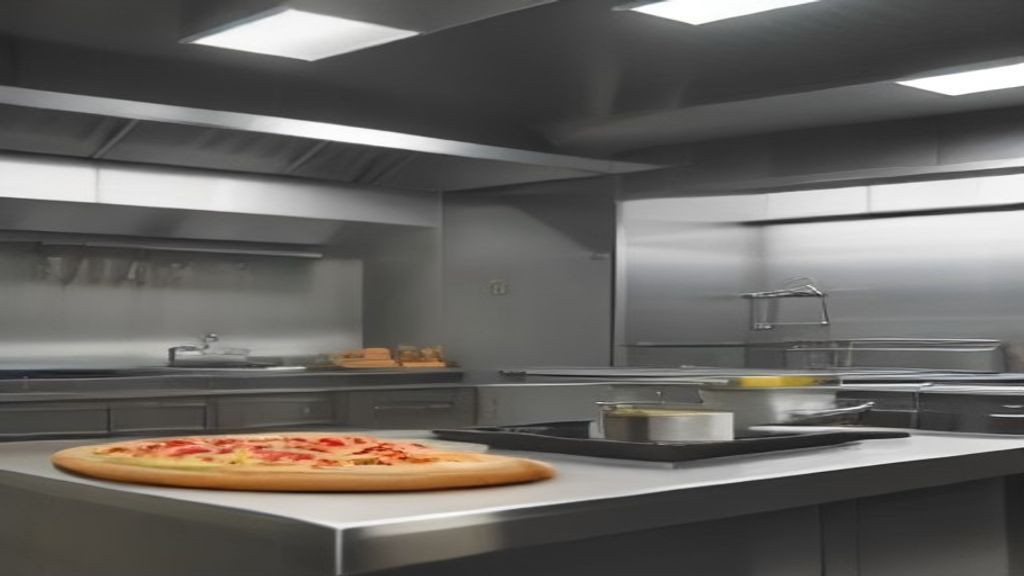
A pizza prep table is the workhorse behind consistent ticket times. It keeps dough, cheese, meats, and toppings cold and within arm's reach while giving you a sanitary cutting and assembly surface. For more background, see Learn more about Pizza Prep Table.
For restaurant owners, kitchen managers, and equipment buyers, the right unit is about more than list price. Capacity, footprint, lid design, refrigeration performance, and daily cleaning all affect labor, waste, and food safety.
This guide from Commercial Refrigeration Guides walks through how to choose a pizza prep table that matches your menu volume, line layout, and service style-without relying on vague marketing claims.
What a Pizza Prep Table Does-and When You Need One
A pizza prep table combines a refrigerated base with a refrigerated pan rail and a worktop, usually topped with a cutting board. Staff portion toppings from pans while dough and finished pies move across the board, which keeps the make line compact and organized.
If you run a pizza-focused menu, high lunch or dinner peaks, or multiple topping builds per order, a dedicated pizza prep table usually outperforms a standard undercounter or reach-in. Undercounters store product well but lack an integrated rail; chef bases support cooking equipment but are not designed for open-pan topping access during rush periods.
Pizza prep vs sandwich prep vs undercounter
Pizza models typically use a deeper cutting board and a pan rail sized for larger pizza pans and bulk toppings. Sandwich or salad units are often shallower and oriented toward smaller pans and deli builds. An undercounter refrigerator is primarily storage; it can support a prep table but does not replace the rail-and-board workflow for high-volume pizza assembly.
Who benefits most from a pizza prep table
Independent pizzerias, multi-concept kitchens with a pizza station, ghost kitchens with dedicated make lines, and campus or stadium operators with repeatable builds gain the most. If volume is low or toppings are mostly finished cold storage pulls, a smaller refrigerated rail or shared prep fridge may be enough.
Size, Capacity, and Kitchen Footprint
Start with menu volume and station layout, not catalog length alone. Measure the run of line, aisle clearance, and door swing before you shop. A unit that fits on paper can still block walkways, fire extinguishers, or adjacent equipment once doors and drawers open.
Capacity is a mix of pan rail count, base shelf or drawer volume, and how often you restock during service. Oversizing wastes energy and floor space; undersizing forces mid-rush trips to the walk-in and slows tickets.
Common widths and pan rail planning
Commercial pizza prep tables are commonly offered in roughly 48-inch, 60-inch, 72-inch, and 90-plus-inch widths, with pan configurations that scale with length. Confirm whether the rail accepts full-size, third-size, or sixth-size pans and whether you need overnight lid coverage for product held in the rail. Plan rail layout by usage frequency: high-turn items closest to the primary builder's dominant hand.
Doors vs drawers in the refrigerated base
Doors maximize open shelf space for bulk cheese, dough trays, and backup pans and are usually simpler and less costly to maintain. Drawers improve organization and reduce cold air loss when staff grab one pan at a time, which can help during frequent access. Mix configurations when one side of the line needs bulk storage and the other needs rapid, portioned pulls.
Temperature Control, Recovery, and Food Safety
A pizza prep table must hold product in the safe refrigerated range while the rail is open during service. Performance depends on ambient kitchen heat, how long lids stay up, how full the pans are, and how often the base is opened. Spec sheets list design conditions; real kitchens with hot ovens nearby are harder on recovery.
Look for clear temperature controls, accessible thermometers or digital readouts, and a rail design with an insulated lid you will actually close between rushes. Train staff to keep pans nested properly, avoid overfilling above the pan rim, and rotate product so the coldest stock is used first.
Temp recovery during peak service
Recovery is how quickly the cabinet and rail return to setpoint after doors open or lids lift. Strong airflow, adequate compressor capacity for your ambient conditions, and disciplined lid use matter as much as brand reputation. If your line sits near ovens or under intense heat lamps, prioritize units rated for higher ambient conditions and leave clearance around condenser intakes.
Cutting boards, lids, and night storage
Thick, removable cutting boards should be cleaned and sanitized on a defined schedule and replaced when deeply scored. Rail lids reduce temperature rise and airborne debris when the station is idle. Many operators move sensitive toppings to covered pans in the base or a reach-in overnight rather than leaving everything in an open rail.
Energy Use, Installation, and Daily Cleaning
Energy use tracks runtime, door and lid habits, gasket condition, and condenser cleanliness. A unit with a dirty condenser or failed gasket works harder, raises product temperature risk, and shortens compressor life. Factor utility cost and preventive maintenance into the total cost of ownership, not only the purchase price.
Installation needs level flooring, correct electrical service, and manufacturer-required clearance for ventilation. Poor airflow is a common cause of warm rails and service callbacks. Confirm caster locks, drain or condensate handling, and whether the unit ships with the cutting board and pan set you expect.
Cleaning routines that protect performance
End of night: remove pans, clean and sanitize the rail, board, and work surface, and wipe door and drawer gaskets. On a weekly cadence, inspect and clean the condenser coil as the manufacturer allows, check that lids seal, and verify temperatures with an independent thermometer. Keep cardboard and flour dust away from coil intakes.
Installation checklist before the truck arrives
Verify dedicated circuit requirements, plug type, and whether a hardwire connection is needed. Measure pathways from loading dock to line so the crate clears doors and turns. Plan left-to-right workflow with oven landing space, landing racks, and trash within a short step so the pizza prep table does not become a bottleneck.
How to Compare Models Before You Buy
Build a short scorecard: width and depth, pan capacity, doors versus drawers, lid style, board depth, listed operating temperature guidance, warranty terms, local parts support, and energy expectations. Ask vendors how the unit behaves with lids open for extended periods and what clearance is required at the back and sides.
Match features to real workflow. A high-volume delivery shop may prioritize drawer organization and fast rail access; a thinner lunch menu may do better with a shorter footprint and door storage. If you already own reach-ins, freezers, ice machines, or a walk-in, place the pizza prep table so restock paths are short and do not cross hot cook lines unnecessarily.
Questions to ask dealers and manufacturers
Ask about warranty coverage on the compressor and rails, typical lead times for gaskets and pans, whether casters and a cutting board are included, and recommended ambient operating limits. Request a clear answer on condensate management and whether the model is intended for open-kitchen heat loads near pizza ovens.
Frequently Asked Questions
What size pizza prep table do I need?
Size the unit to peak topping demand and available line length. Count how many pans you need accessible at once, measure clear floor space including door or drawer swing, and choose the shortest width that holds your active mise without constant restocking from the walk-in.
Are drawers better than doors on a pizza prep table?
Neither is universally better. Doors favor bulk storage and lower complexity; drawers favor organized, frequent access with less full-cabinet air exchange. Many kitchens use a combination based on what each side of the station stores.
How cold should a pizza prep table stay?
Keep refrigerated product at safe cold-holding temperatures per your local health code and your food safety plan, and verify with a calibrated thermometer. Rail product is more exposed during service, so lid discipline, correct pan fill levels, and avoiding heat sources beside the rail are essential.
Can I put a pizza prep table next to the oven?
You can place it in the make-line flow near the oven, but heat and grease-laden air stress refrigeration. Maintain manufacturer clearance, keep condensers clean, and avoid directing oven exhaust or heat lamps at the rail. If ambient temperatures run high, choose a model suited for warmer kitchens and monitor rail temperatures closely.
How often should I clean a pizza prep table?
Clean and sanitize food-contact surfaces, pans, and the cutting board at least daily and whenever switching raw and ready-to-eat workflows per your procedures. Wipe gaskets regularly and clean the condenser on the schedule your manufacturer recommends so the system can reject heat efficiently.
What else should I budget for besides the unit?
Budget for pans and lids if not included, a quality cutting board maintenance or replacement plan, electrical work if the circuit is inadequate, caster or leveling adjustments, and preventive maintenance. Also plan labor time for night cleaning and temperature logging.
Conclusion
Choosing a pizza prep table is a workflow decision as much as an equipment purchase. Prioritize footprint that fits your line, pan and base capacity that matches peak volume, doors or drawers that match how you restock, and refrigeration that recovers under your real kitchen conditions.
Use this Commercial Refrigeration Guides checklist to compare models side by side, confirm installation clearances and power, and train the team on lids, pan fills, and cleaning. When the make line stays cold, organized, and easy to sanitize, ticket times and food safety both improve.
Looking for a ready-to-order option? Explore this Pizza Prep Table on HorecaStore.


Comments
Post a Comment