Commercial Refrigerator Buying Guide for Kitchens
Commercial Refrigerator Buying Guide for Restaurant Kitchens
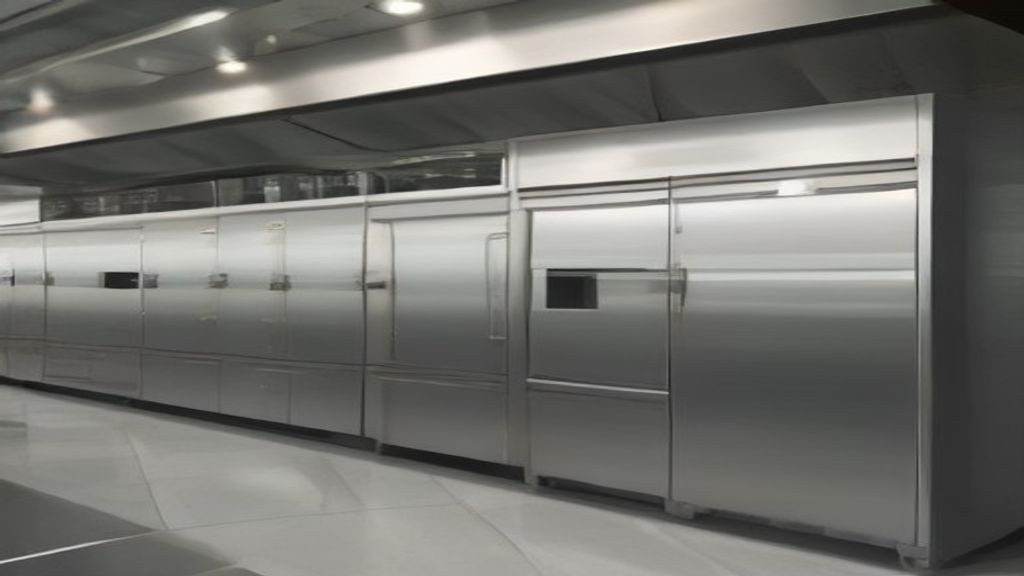
A commercial refrigerator is the backbone of food safety and service speed in any professional kitchen. Whether you run a café, full-service restaurant, or multi-station prep line, the right cold storage keeps product at safe temperatures, recovers quickly after door openings, and fits your footprint without wasting aisle space. For more background, see Learn more about Commercial Refrigerator.
Restaurant owners, kitchen managers, and equipment buyers often face the same trade-offs: reach-in versus undercounter, doors versus drawers, solid versus glass, and how much energy a unit will use over years of daily service. This guide walks through those decisions with practical criteria you can apply on a walkthrough or bid sheet.
Use it to match equipment to menu volume, station layout, and cleaning routines-so you buy once and avoid costly downtime later.
Match Commercial Refrigerator Types to Your Stations
Start with where food will live during service, not with a brand brochure. Reach-ins handle bulk storage near the cook line; undercounters and prep tables keep mise en place within arm's reach; chef bases free up counter space above refrigerated drawers; merchandisers and bar coolers support front-of-house display and beverage service; walk-ins cover high-volume storage and receiving.
Ice machines and freezers belong in the same planning conversation because shared utility runs, condensate drains, and clearances affect where every cold unit can sit. Map stations first, then assign each commercial refrigerator type to a job: holding, prep, display, or overnight storage.
Reach-Ins, Undercounters, and Prep Tables
Reach-ins are the default for back-of-house bulk storage when you need tall capacity and flexible shelving. Undercounters save floor space under work surfaces and suit bars or secondary prep. Prep tables combine refrigerated pans on top with storage below-ideal for pizza, sandwich, and salad lines where temp stability at the rail matters as much as cabinet capacity.
Chef Bases, Merchandisers, Walk-Ins, and Bar Coolers
Chef bases put refrigerated drawers under griddles or fryers so proteins stay cold at the point of cook. Glass-door merchandisers sell impulse items but need stronger lighting and more frequent cleaning. Walk-ins scale capacity for high volume; bar coolers prioritize quick access and consistent beverage temps in tight footprints.
Capacity, Footprint, and Door Versus Drawer Decisions
Capacity is more than cubic feet. Think in terms of sheet pans, hotel pans, and case packs your menu actually uses. Measure door swings, aisle width, and landing space for carts before you lock a footprint. A unit that fits on paper can still block traffic if doors open into a busy corridor.
Doors are typically better for bulk storage and fewer moving parts; drawers excel for frequent access at the cook line because you open only the section you need, which can help temperature recovery during rush. Solid doors usually hold temp more efficiently; glass doors support visibility and merchandising but may raise energy use depending on usage and ambient heat.
How to Size Capacity Without Overbuying
Estimate peak day inventory for perishables that must stay cold, then add a buffer for deliveries-not empty shelves. Oversized cabinets cost more to buy and run; undersized ones force door openings and unsafe stacking. Prioritize usable interior height, shelf adjustability, and clearances around evaporators over marketing cubic-foot claims alone.
Doors, Drawers, and Temperature Recovery
Temperature recovery after openings is critical in hot kitchens. Units with stronger refrigeration systems and good airflow recover faster when staff are in and out constantly. Drawer bases and undercounters near heat sources need adequate BTU capacity and correct clearances so compressors can reject heat.
Energy Use, Cleaning, Installation, and Daily Operation
Energy cost compounds over years of 24/7 or extended runtime. Look for ENERGY STAR-listed commercial refrigerators where available, confirm voltage and plug configuration match your panel, and plan for condenser access. Dirty condensers are a leading cause of warm cabinets and failed compressors.
Installation should include leveling, proper drainage or condensate management, and manufacturer-required side, rear, and top clearances. Schedule filter or condenser cleaning into closing checklists. Keep gaskets clean and sealed; replace them when they no longer hold a dollar bill firmly or show cracks.
Energy and Utility Planning
Confirm dedicated circuits where required, especially for large reach-ins, ice machines, and walk-in condensers. Account for ambient kitchen heat: units near ovens or dishwashers work harder. LED lighting and solid doors often reduce load compared with older fluorescent glass-door setups used as primary storage.
Cleaning Routines That Protect Food Safety
Wipe spills promptly, clean interiors on a set cadence, and sanitize food-contact surfaces per your health-code process. Keep vents and return air paths clear of boxes. For prep tables, monitor rail temps during service and avoid overfilling pans, which can block airflow and warm product.
A Practical Buying Checklist for Kitchen Managers
Before you purchase, list required holding temperatures by product type, peak volume, available width and depth, door or drawer preference, and whether the unit is for storage, prep, display, or beverage service. Ask vendors for warranty terms on compressor and parts, service network coverage, and lead times for replacement gaskets and shelves.
Compare at least two configurations side by side on total cost of ownership: purchase price, estimated energy use, expected service intervals, and how the footprint affects labor. A slightly higher upfront cost can pay back if staff waste fewer steps and the cabinet recovers faster during rushes.
Questions to Ask Before You Sign a Quote
Ask about operating temperature range for your climate and kitchen ambient conditions, recommended clearances, condensate drain needs, NSF listing for intended use, and whether shelves, pans, and casters are included. Confirm delivery path measurements-doorways, elevators, and turns-so the commercial refrigerator you order can actually reach the kitchen.
Frequently Asked Questions
What size commercial refrigerator do I need for a small restaurant?
Size to your peak inventory and station layout, not a generic seat count. Many small kitchens start with a one- or two-section reach-in plus an undercounter or prep table at the line. Measure usable interior space for pans and case packs, then leave room for delivery days without blocking airflow.
Are commercial refrigerator drawers better than doors?
Drawers are often better at the cook line because staff open only one compartment, which can limit cold air loss during frequent access. Doors usually suit bulk storage and are simpler to clean and maintain. Choose based on how often the unit will be opened during service.
How cold should a commercial refrigerator stay?
For general refrigerated holding of potentially hazardous foods, aim to keep product at or below 41°F (5°C), and verify with a calibrated thermometer in the warmest part of the cabinet-not only the unit's display. Prep rails and specialty equipment may have additional manufacturer guidance for service conditions.
What causes a commercial refrigerator to struggle during rush?
Frequent door openings, blocked vents, dirty condensers, overfilled shelves, high kitchen ambient heat, and insufficient clearances all reduce cooling capacity. Improving workflow, cleaning the condenser, and matching system strength to usage usually restores recovery performance.
Do I need a dedicated circuit for a commercial refrigerator?
Many units require a dedicated circuit and a specific voltage/plug type. Check the data plate and installation instructions, and have a qualified electrician confirm panel capacity-especially for larger reach-ins, ice machines, and remote or walk-in systems.
How often should I clean a commercial refrigerator condenser?
Follow the manufacturer's schedule, and clean more often in greasy or dusty kitchens-commonly monthly for heavy use. A clogged condenser raises energy use and shortens compressor life, so make visual checks part of routine maintenance.
Conclusion
Choosing a commercial refrigerator is a layout, capacity, and operations decision as much as a price decision. Match the unit type to each station, size for real product volume, and plan for energy, drains, clearances, and cleaning from day one.
Next, walk your kitchen with a tape measure and a peak-day inventory list, then compare two or three configurations against recovery needs and service access. When those pieces align, your cold storage will support food safety and ticket times instead of fighting them.
Looking for a ready-to-order option? Explore this Commercial Refrigerator on HorecaStore.


Comments
Post a Comment