Commercial Refrigeration Buying Guide for Kitchens
Commercial Refrigeration: A Practical Buying Guide

Choosing commercial refrigeration is one of the highest-stakes equipment decisions in a professional kitchen. The wrong footprint, door style, or temperature recovery profile can slow service, waste product, and drive up utility costs. For more background, see Learn more about Commercial Refrigeration.
This guide from Commercial Refrigeration Guides helps restaurant owners, kitchen managers, and buyers compare reach-ins, undercounters, chef bases, prep tables, freezers, ice machines, merchandisers, bar coolers, and walk-ins with practical criteria-not vague marketing claims.
Use it to match capacity and workflow, plan installation clearances, and ask vendors the right questions before you buy or replace a unit.
Match Equipment Type to Workflow and Footprint
Start with how your team moves food, not with a catalog page. Line cooks need fast access at the station; receiving and storage need bulk holding; the front of house may need glass-door merchandisers that sell as well as store. Map each cold-holding need to a unit type before you compare brands.
Capacity and footprint should be sized around peak service, not average days. Measure door swings, aisle widths, and utility locations early so you do not discover a clearance problem after delivery.
Reach-Ins, Undercounters, and Chef Bases
Reach-in refrigerators and freezers suit bulk storage and backup holding. Undercounters keep ingredients at the line without eating floor space. Chef bases put cold storage under cooking equipment so cooks stay in place-confirm heat exposure ratings and ventilation needs with the manufacturer before you pair a base with a hot top or fryer.
Prep Tables, Merchandisers, and Bar Coolers
Sandwich and pizza prep tables prioritize pan layouts, rail temperature stability, and cutting-board work height. Merchandisers focus on visibility and door traffic; bar coolers emphasize bottle access, glass doors, and quieter operation near guests. Choose doors when you need full visibility and simpler cleaning; choose drawers when you want faster grab-and-go access with less cold air dump during busy tickets.
Temperature Performance, Energy Use, and Daily Care
Commercial refrigeration lives or dies on temperature recovery: how quickly the cabinet returns to set point after doors open, product loading, and busy service. Ask for recovery expectations under realistic open-door use, and plan placement away from fryers, dishwashers, and direct sunlight that fight the compressor.
Energy use varies with cabinet design, door type, gasket condition, condenser cleanliness, and ambient kitchen heat. Look for ENERGY STAR-rated models when available, and treat filter and coil cleaning as scheduled maintenance-not a reactive fix after temperatures drift.
Doors vs Drawers and Cold Air Retention
Solid doors generally hold temperature better and cost less to run than glass in many storage applications. Glass doors help inventory checks and merchandising but can gain heat faster under heavy traffic. Drawers reduce the volume of cold air lost per opening at a station, while full-height doors are often better for bulk pans, sheet trays, and varied package sizes.
Cleaning, Condensers, and Food Safety Habits
Build a routine for wiping interiors, checking gaskets, clearing drain lines, and cleaning condenser coils on the interval your manufacturer recommends-more often in flour-heavy or grease-heavy kitchens. Keep products spaced for airflow, avoid blocking return vents, and log temps at opening and closing so you catch problems before a health inspection or a spoilage event.
Installation, Utilities, and Specs to Verify Before You Buy
Even the right cabinet fails if power, drainage, ventilation, and floor load are wrong. Confirm voltage and phase, dedicated circuits, plug type, and whether the unit is self-contained or remote. Walk-ins need especially careful planning for panels, floors, refrigeration lines, and condensate management.
Do not invent or assume capacity numbers from marketing copy alone. Verify interior volume, pan or sheet-pan counts, ice production and storage ratings for your climate and inlet water conditions, and listed operating temperature ranges on the cut sheet for your exact model.
Walk-Ins, Freezers, and Ice Machines
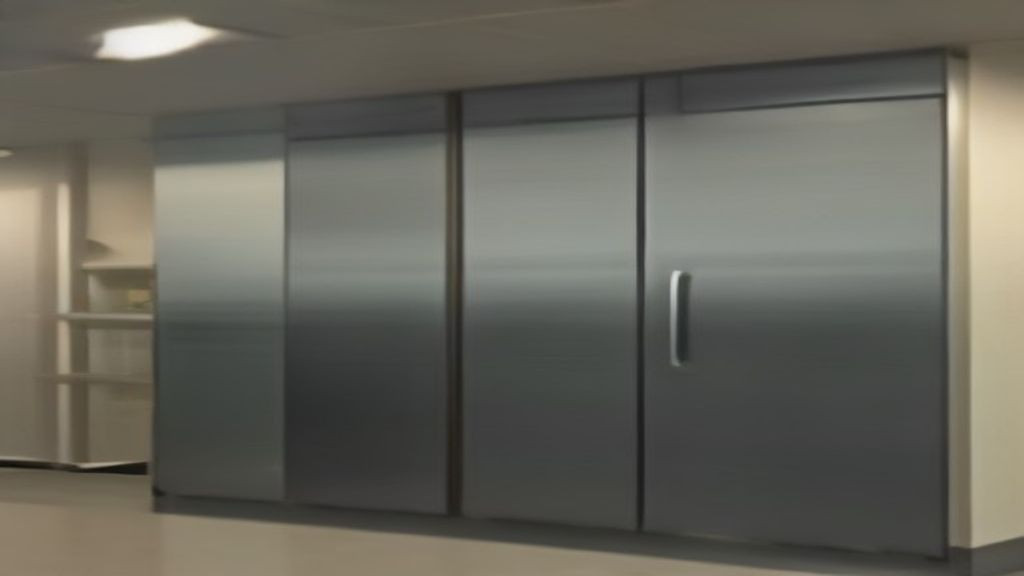
Walk-in coolers and freezers make sense when reach-ins cannot hold receiving volume or multi-day prep. Plan door location for receiving flow, and leave service access around condensing units. For ice machines, size production to peak week demand plus a buffer, match the machine to your water quality plan, and separate bin storage needs from daily melt and scoop hygiene practices.
Buyer Checklist Before Purchase or Replacement
Confirm warranty terms on compressor and parts, local service availability, lead times, and whether installation, startup, and old-unit removal are included. Compare total cost of ownership: purchase price, energy, maintenance, and the cost of downtime if a unit fails during weekend service.
Frequently Asked Questions
What is commercial refrigeration used for in restaurants?
Commercial refrigeration holds perishable food at safe temperatures for storage, prep, and display. Restaurants use reach-ins, undercounters, prep tables, freezers, walk-ins, ice machines, merchandisers, and bar coolers to support service speed and food safety.
How do I choose the right commercial refrigeration size?
Size for peak demand and workflow, not average days. Measure available footprint and clearances, list what must be held at each station, then match cabinet type and interior layout-shelves, pans, drawers, or walk-in racks-to that list using manufacturer cut sheets.
Are drawers better than doors for line refrigeration?
Drawers often work better at busy cook lines because each opening exposes less cold air and speeds ingredient access. Doors are usually better for bulk storage, mixed package sizes, and lower-traffic holding. Many kitchens use both.
What affects commercial refrigeration energy use the most?
Door traffic, gasket condition, dirty condenser coils, kitchen ambient heat, cabinet insulation and door type, and set points all matter. Placement away from heat sources and a regular coil-cleaning schedule often improve both energy use and temperature stability.
What should I check before installing a new unit?
Verify electrical requirements, drainage, ventilation clearances, floor strength, door swing, and whether the unit is self-contained or remote. For walk-ins and ice machines, also confirm water supply, filtration needs, and service access for technicians.
When should a restaurant consider a walk-in instead of more reach-ins?
Consider a walk-in when receiving volume, multi-day prep, or freezer capacity regularly overflows reach-ins, or when staff waste time shuffling product between small cabinets. Factor installation complexity and service access into the cost comparison.
Conclusion
Strong commercial refrigeration decisions start with workflow, footprint, temperature recovery, and install realities-then move to brand and price. Use cut sheets, utility requirements, and service support as your filter, not brochure language alone.
If you are comparing units now, list each station's cold-holding needs, measure clearances, and bring that checklist to your dealer or service partner. Commercial Refrigeration Guides is here to help you buy with fewer surprises and better day-two performance.
Looking for a ready-to-order option? Explore this Commercial Refrigeration on HorecaStore.


Comments
Post a Comment