Commercial Freezer Buying Guide for Kitchens
Commercial Freezer Buying Guide for Restaurant Kitchens
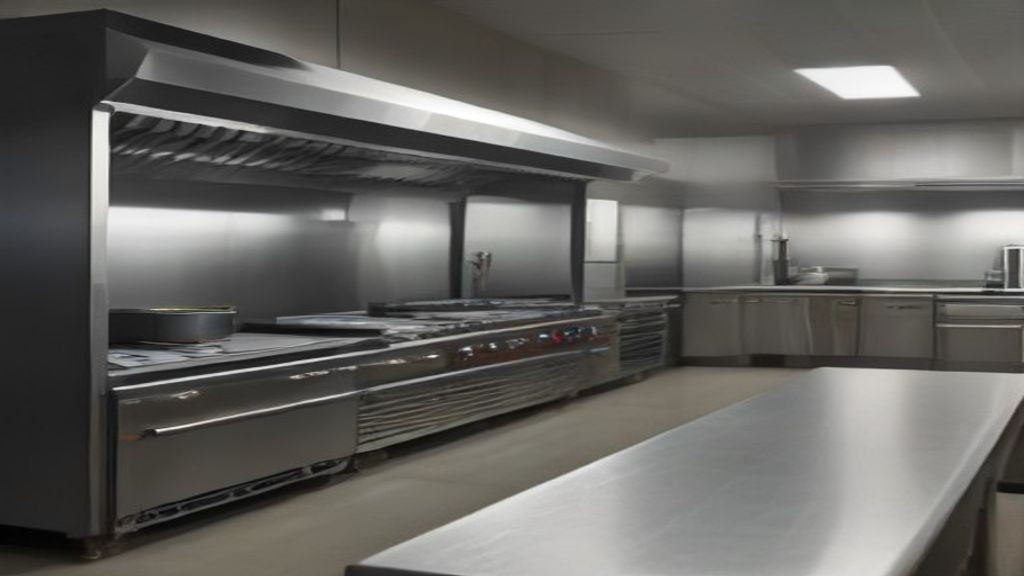
A commercial freezer is one of the most important pieces of equipment in a restaurant kitchen. It protects inventory, supports consistent prep, and keeps food safety on track when service gets busy. Choosing the wrong size, door style, or temperature range can drive up energy costs and create daily workflow headaches. For more background, see Learn more about Commercial Freezer.
Restaurant owners, kitchen managers, and buyers comparing reach-ins, undercounters, chef bases, and walk-ins need practical criteria-not vague marketing claims. This guide from Commercial Refrigeration Guides walks through capacity, footprint, doors versus drawers, temperature recovery, energy use, cleaning, and installation so you can match a commercial freezer to your menu and kitchen layout.
Whether you are replacing a failing unit or planning a new line, the goal is the same: reliable frozen storage that recovers quickly after door openings, fits your space, and stays serviceable for years.
Types of Commercial Freezers and When to Use Each
Commercial freezers come in several form factors, and the best choice depends on volume, kitchen layout, and how staff access product during service. Reach-in upright freezers suit back-of-house bulk storage. Undercounter and worktop freezers keep frozen items near the cook line. Chef bases free up floor space while supporting cooking equipment. Walk-ins handle high-volume operations and large deliveries.
Matching freezer type to workflow reduces door-open time and improves temperature stability. A busy sauté station often benefits from drawers or an undercounter unit, while catering kitchens may need a full-height reach-in for batch prep and backup inventory.
Reach-ins, Undercounters, and Chef Bases
Reach-in commercial freezers typically offer the most cubic feet per footprint and work well for portioned proteins, desserts, and backup stock. Undercounter freezers fit under standard work surfaces and are ideal when floor space is tight. Chef-base freezers combine refrigerated drawers with a sturdy top for ranges or griddles, putting frozen product within arm's reach while keeping the cook line compact.
Walk-Ins Versus Merchandisers
Walk-in freezers are the right call for high weekly volume, long shelf-life inventory, or multi-station kitchens that share one frozen storage room. Glass-door merchandisers are better for front-of-house display of packaged frozen goods; they prioritize visibility over deep back-of-house storage density. Choose based on access pattern, not just list price.
Capacity, Footprint, and Doors Versus Drawers
Capacity should reflect peak inventory plus a buffer for deliveries-not average daily use alone. Undersizing forces overpacking, which blocks airflow and slows recovery. Oversizing wastes energy and floor space. Measure clearances for doors, aisles, and adjacent equipment before you buy, and confirm the unit's exterior dimensions against your planned location.
Door style affects both access speed and cold loss. Solid doors usually retain cold better for storage; glass doors help when staff need to find product quickly. Drawer freezers limit how much cold air escapes during short pulls, which can help on the cook line, while full-height doors suit bulk loading and taller shelving.
Planning Footprint and Airflow Clearance
Leave manufacturer-recommended clearance for condenser airflow, usually at the sides, back, or top depending on the model. Blocking vents raises compressor load and shortens equipment life. Also plan for swing clearance if you choose hinged doors, or confirm sliding-door options where aisle space is limited.
Doors Versus Drawers for Line Efficiency
Drawers are practical when cooks grab the same items repeatedly during service. Full doors are better for infrequent, high-volume access such as restocking after delivery. Some kitchens use both: a reach-in for bulk storage and a drawer or undercounter commercial freezer at the station.
Temperature Recovery, Energy Use, and Daily Operation
Temperature recovery is how quickly a commercial freezer returns to set point after doors open or warm product is loaded. Strong recovery matters during rush periods and after receiving frozen deliveries. Look for adequate refrigeration capacity for your usage pattern, good door gaskets, and interior layouts that do not choke airflow around product.
Energy use depends on insulation, door seals, compressor efficiency, ambient kitchen temperature, and how often staff open the unit. Keeping coils clean, avoiding overpacking, and setting temperatures appropriately for frozen food safety-not colder than needed-all help control utility costs without sacrificing performance.
Cleaning and Maintenance Habits That Protect Performance
Wipe spills promptly, clean door gaskets so they seal fully, and keep condenser coils free of grease and dust on a schedule that matches your kitchen's soil level. Check temperatures daily and watch for frost buildup that signals seal or defrost issues. Planned maintenance is cheaper than emergency product loss.
Installation Basics Buyers Should Confirm Early
Confirm electrical requirements, dedicated circuit needs, and whether the location has enough ventilation. For walk-ins, plan panel assembly access, floor load, and drainage where applicable. For remote or self-contained systems, verify that the installation site can handle heat rejection so the freezer is not fighting a hot, enclosed space.
How to Compare Models Before You Buy
When comparing commercial freezer options, start with intended use, then filter by exterior dimensions, usable interior volume, door or drawer configuration, and temperature range suited to your products. Ask about warranty coverage for the compressor and parts, availability of local service, and lead times for replacement gaskets and shelves.
Also compare total cost of ownership: purchase price, estimated energy use, expected maintenance, and how the unit fits your labor flow. A slightly higher upfront cost can pay off if recovery is stronger, cleaning is easier, or the footprint frees up productive line space.
Questions to Ask Suppliers and Reps
Ask how the unit is intended to perform in a warm kitchen environment, what clearance is required, how defrost works, and what documentation is provided for cleaning and troubleshooting. Request lead times for common wear parts and confirm whether installation support or startup checks are available in your area.
Frequently Asked Questions
What temperature should a commercial freezer run at?
Most commercial freezers are set to keep food at 0°F (-18°C) or below for safe long-term frozen storage. Follow your local health code and product requirements, and verify temperatures with a reliable thermometer rather than relying only on the display.
How do I choose the right size commercial freezer?
Estimate peak frozen inventory in cubic feet, add space for airflow and upcoming deliveries, then match that need to usable interior volume-not just exterior cabinet size. Measure your available footprint and door swing before finalizing a model.
Are drawer freezers better than door freezers?
Drawers often reduce cold-air loss during frequent, short access on the cook line. Full doors are usually better for bulk loading and tall storage. Many kitchens use both styles for different tasks.
What affects commercial freezer energy use the most?
Door openings, dirty condenser coils, poor gasket seals, overpacking, high ambient kitchen heat, and temperatures set colder than necessary all increase energy use. Good placement, airflow clearance, and routine cleaning make a measurable difference.
How often should I clean a commercial freezer?
Clean interior spills as they happen, inspect and wipe gaskets regularly, and clean condenser coils on a schedule based on grease and dust in your kitchen-often monthly in busy restaurants, more often in heavier soil conditions. Follow the manufacturer's guidance for defrost and coil care.
What should I check before installing a commercial freezer?
Confirm dimensions and clearances, electrical supply, ventilation for heat rejection, floor strength, and access for delivery. For walk-ins, also plan assembly space, flooring, and any drainage or remote condensing requirements.
Conclusion
A commercial freezer should fit your menu volume, kitchen footprint, and service rhythm-not just your budget line. Prioritize usable capacity, access style, temperature recovery, and maintainability so the unit supports food safety and speed during peak hours.
Use this checklist from Commercial Refrigeration Guides when you compare reach-ins, undercounters, chef bases, and walk-ins. Measure twice, ask suppliers clear operating questions, and choose the commercial freezer that will stay reliable as your kitchen scales.
Looking for a ready-to-order option? Explore this Commercial Freezer on HorecaStore.


Comments
Post a Comment