Worktop Refrigerator Buying Guide for Kitchens
Worktop Refrigerator Guide for Commercial Kitchens
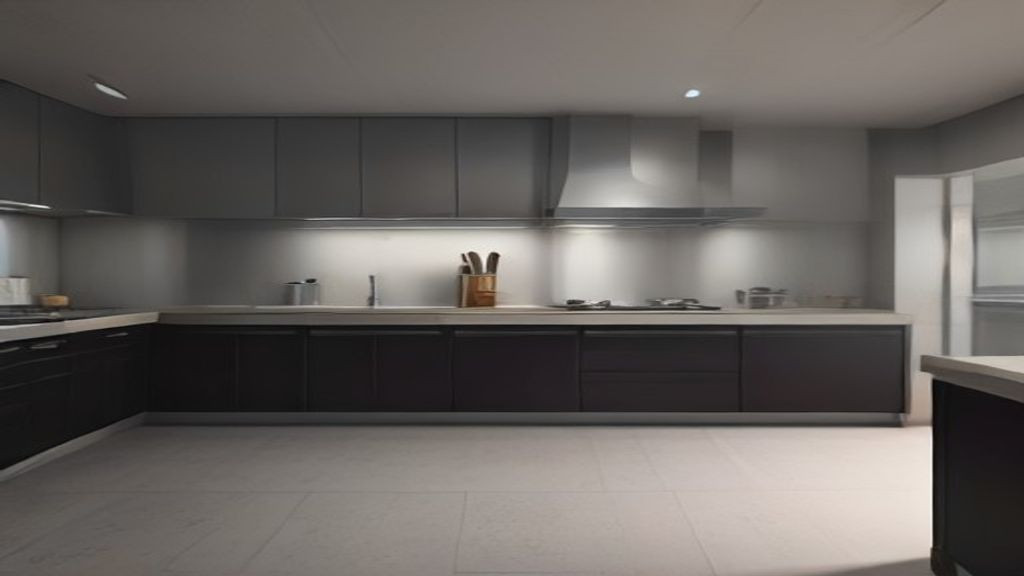
A worktop refrigerator gives you refrigerated storage and a usable prep surface in one footprint-ideal when line space is tight and tickets move fast. Restaurant owners, kitchen managers, and equipment buyers often weigh these units against undercounters, prep tables, and chef bases when planning a station. For more background, see Learn more about Worktop Refrigerator.
Choosing the right worktop refrigerator means matching capacity and layout to your menu, verifying temperature recovery under real door traffic, and planning for installation, cleaning, and energy use over the life of the unit. This guide walks through practical comparison points without pushing fake model specs.
Use it to shortlist configurations, ask better dealer questions, and decide when a worktop unit is the smarter buy than a reach-in or a separate prep table.
What a Worktop Refrigerator Is-and When It Fits
A worktop refrigerator is typically a low-profile refrigerated cabinet with a flat stainless top designed for prep, plating, or equipment staging. Unlike a tall reach-in, it keeps product at arm's length under the rail while the top stays clear for cutting boards, small appliances, or finishing work.
Compared with undercounter refrigerators, the worktop style emphasizes a continuous working surface. Prep tables add pan rails and often more cutting space; chef bases prioritize refrigerated drawers under cooking equipment. Pick the format that matches how the station actually cooks and stores food.
Typical kitchen stations that benefit
Sandwich lines, garde manger, pastry finishing, expo plating, and backup storage next to a cooktop are common fits. If staff open doors constantly and need a sturdy surface above the cold box, a worktop refrigerator often beats a freestanding reach-in that eats aisle space.
When another format may be better
High-volume cold pans on the rail usually favor a dedicated prep table. Heavy cookline gear may need a rated chef base. Bulk cases and tall sheet pans often belong in a reach-in or walk-in. Match the cabinet to product height, access pattern, and heat load nearby.

Capacity, Footprint, Doors vs Drawers, and Layout
Start with what you store and how often you open the cabinet. Measure pan sizes, hotel pans, squeeze bottles, and portioned proteins against usable interior height and shelf adjustability. Then measure the bay: width, depth, clearance for door or drawer swing, and aisle traffic so the footprint does not block fire exits or service paths.
Doors generally offer wider visibility and easier loading of larger containers. Drawers can speed access to labeled pans and reduce cold-air dump when only one section opens. Many kitchens mix both across stations-doors for backup, drawers for mise en place.
Capacity and organization tips
Plan shelves for FIFO labeling and avoid overpacking airflow paths. Confirm whether the unit accepts standard pan depths you already own. If you need both refrigerated storage and a cutting surface, confirm the top load rating and whether you will use a removable board rather than cutting directly on stainless.
Footprint and install clearances
Allow space for condenser airflow, plug access, and cleaning behind or beside the unit per the manufacturer's guidance. Corner installs and tight cookline gaps often cause heat buildup and weak temperature recovery-leave the clearances the installer and brand specify.
Performance Factors: Temperature Recovery, Energy, and Reliability
In a busy kitchen, door openings and warm product loads matter as much as the setpoint on the dial. Ask about recovery behavior under frequent access, ambient kitchen temperature ratings, and whether the evaporator and condenser are easy to service. Units that struggle next to fryers or ovens may short-cycle or warm above safe hold ranges.
Energy use adds up across a fleet of coolers. Compare ENERGY STAR or equivalent listings when available, gasket quality, LED lighting where fitted, and defrost approach. A slightly higher purchase price can pay back if the cabinet holds setpoints with less compressor runtime.
Cleaning and food-safety routines
Choose interiors with smooth corners, removable shelves, and gaskets you can wipe and replace. Daily wipe-downs of the worktop, door handles, and spills prevent sticky builds that compromise seals. Schedule condenser coil cleaning on a calendar-dusty coils raise energy use and shorten compressor life.
Installation and electrical planning
Confirm voltage, dedicated circuit needs, and whether the location needs a drain for condensate or can use an evaporator pan. Level the cabinet so doors seal and drawers track correctly. Document warranty terms for parts, labor, and what voids coverage (improper clearances, dirty coils, or unapproved top loads).
Frequently Asked Questions
What is a worktop refrigerator used for in a restaurant?
It stores refrigerated ingredients under a flat stainless work surface so staff can prep or plate without walking to a reach-in. It suits stations that need both cold holding and a clear top in a compact footprint.
How is a worktop refrigerator different from a prep table?
A worktop refrigerator focuses on cabinet storage under a flat top. A prep table typically adds refrigerated pan rails and more dedicated cutting space for make-line assembly. Choose based on whether you need open pans on the rail or enclosed storage below.
Should I choose doors or drawers on a worktop refrigerator?
Doors are often better for larger containers and quick visual checks. Drawers help with organized pans and can limit cold-air loss when opening one section. Many kitchens use drawers on the line and doors for backup.
What should I check for temperature recovery?
Ask how the unit behaves with frequent openings, warm kitchen ambient ratings, and nearby heat sources. Verify you will not block condenser airflow, and avoid overloading warm product in one dump. Good gaskets and clean coils support stable recovery.
How do I keep a worktop refrigerator energy-efficient?
Keep coils clean, replace worn gaskets, avoid blocking vents with product, and hold doors or drawers closed between pulls. Compare energy ratings when shopping, and place the unit away from excessive heat when layout allows.
What installation details matter most before delivery?
Measure width, depth, height, door or drawer swing, and service clearances. Confirm electrical requirements, leveling, condensate handling, and flooring strength for the loaded weight. Plan a path for delivery so you are not stuck with a unit that cannot fit the bay.
Conclusion
A worktop refrigerator earns its place when you need refrigerated storage and a durable prep surface without the height or aisle demand of a reach-in. Focus on real capacity for your pans, doors versus drawers for your access pattern, recovery in a hot kitchen, and cleaning or install details that protect uptime.
Next, measure your station, list the products that must live in the cabinet, and compare two or three commercial options side by side with your dealer or vendor. For more equipment comparisons across reach-ins, undercounters, chef bases, ice machines, and walk-ins, explore related guides from Commercial Refrigeration Guides before you buy.
Looking for a ready-to-order option? Explore this Worktop Refrigerator on HorecaStore.


Comments
Post a Comment