Worktop Freezer Buying Guide for Busy Kitchens
Worktop Freezer Guide for Commercial Kitchens
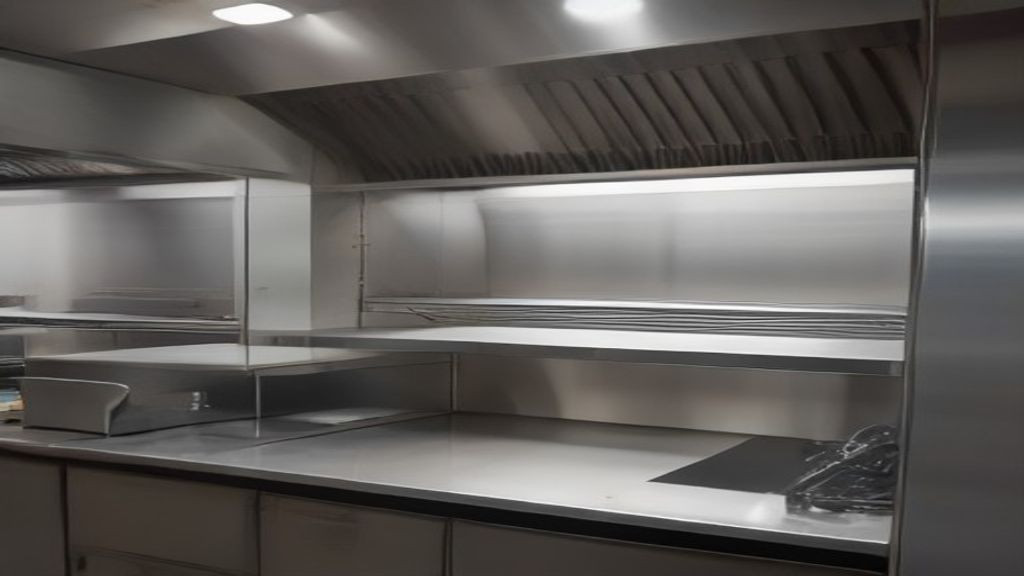
A worktop freezer is a compact, undercounter-style unit with a durable top that doubles as prep or plating space. For restaurants and high-volume kitchens, it keeps frozen proteins, fries, desserts, and backup stock within arm's reach of the cook line. For more background, see Learn more about Worktop Freezer.
Commercial buyers often weigh a worktop freezer against reach-ins, chef bases, and prep tables. The right pick balances holding capacity, footprint, door or drawer access, temperature recovery after busy rushes, and how easily staff can clean and service the unit.
This Commercial Refrigeration Guides overview helps kitchen managers and equipment buyers compare worktop freezer designs with practical criteria-without relying on marketing-only claims. Use it alongside manufacturer cut sheets and local energy and health-code requirements.
What a Worktop Freezer Is and When You Need One
A worktop freezer sits under a counter-height stainless top, typically in the same family as undercounter freezers and chef bases. The top supports light prep, plating, or equipment placement, while the cabinet below holds frozen inventory at commercial freezer temperatures.
Choose a worktop freezer when line cooks need frequent access to frozen items and you cannot spare floor space for a full-height reach-in. It is less ideal as bulk long-term storage; pair it with a walk-in or larger freezer for overflow and deliveries.
Worktop freezer vs undercounter, chef base, and reach-in
Undercounter freezers prioritize storage under a counter and may or may not include a reinforced work surface. Chef bases often emphasize drawer access under cooking equipment and can be freezer or refrigerator models. Reach-ins offer more vertical capacity and better bulk storage, but they do not give you a work surface on top. Match the form factor to workflow: worktop for prep-adjacent frozen holds, chef base for cook-line drawers, reach-in for back-of-house volume.
Where worktop freezers fit on the cook line
Common placements include fry stations, sauté lines, dessert finishing areas, and expo. Keep door or drawer swing clear of traffic and fire-suppression paths. Confirm that the top load rating and heat exposure from nearby ranges or fryers stay within the manufacturer's guidance so the cabinet can hold temperature during service.
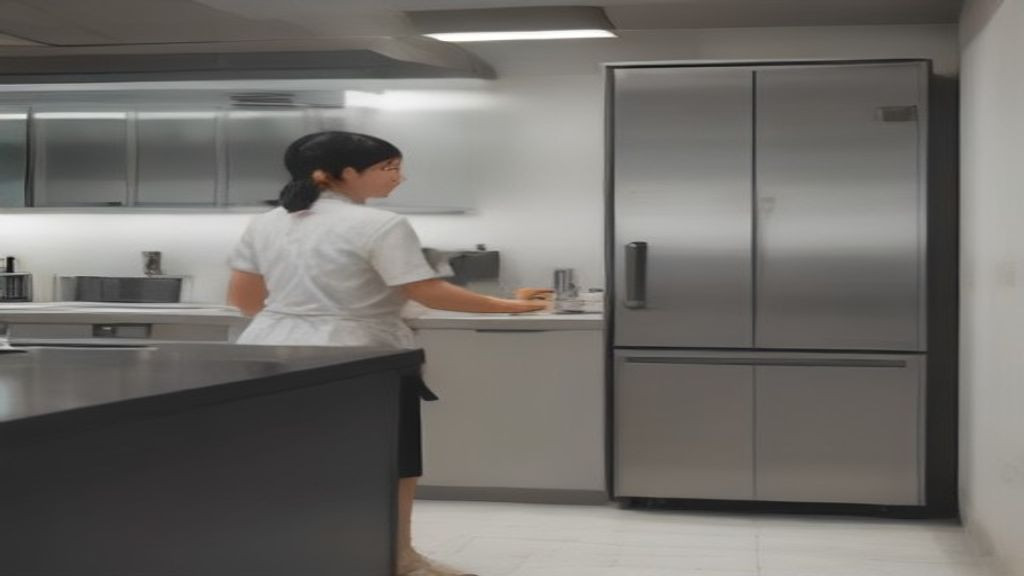
Capacity, Footprint, and Configuration Choices
Capacity for a worktop freezer is usually expressed in cubic feet and by how many full-size pans or boxes fit on adjustable shelves or in drawers. Footprint is driven by width (often one- or two-section), depth, and whether the unit is front-breathing for tight installs.
Doors favor visibility and larger containers; drawers can speed access for bagged proteins or portioned items and reduce cold-air dumping when opened briefly. Verify interior dimensions, shelf load limits, and whether casters or legs affect finished height under your counter plan.
Doors vs drawers for speed and organization
Solid doors are straightforward for boxed and bulk frozen goods and typically cost less to maintain than complex drawer tracks. Drawers help portioned mise en place and reduce searching during ticket rushes, but they need clear aisle space for full extension and careful loading so seals stay intact. Test both styles against your ticket speed and container sizes before you buy.
Footprint, clearance, and installation planning
Measure the niche width, depth, and height, including hose bibs, electrical outlets, and cove base. Front-breathing designs can sit tighter against walls; rear- or side-venting units need manufacturer-specified clearances for condenser airflow. Plan a dedicated circuit matching the nameplate amperage, and leave service access for filter cleaning and compressor work.
Temperature Performance, Energy Use, and Daily Care
A commercial worktop freezer must recover after frequent openings during peak service. Look for clear setpoint ranges suited to frozen food holding, solid door or drawer gaskets, and a refrigeration system sized for kitchen ambient heat. Ask vendors how the unit behaves with warm product loads and high ambient conditions rather than empty-lab claims alone.
Energy use rises with door-open time, dirty condensers, poor seals, and blocked airflow. ENERGY STAR or equivalent listings, when available for the product class, can help compare similar sizes. Daily wipe-downs, weekly gasket checks, and scheduled condenser cleaning protect both food safety and utility costs.
Temp recovery and food-safety habits
Train staff to open only the door or drawer they need, avoid propping units open during prep, and keep product labeled and rotated. Do not overload so air cannot circulate. Use a calibrated thermometer periodically to verify cabinet air temperature, and follow your HACCP or local health-department cold-holding rules for frozen and thawed items.
Cleaning, gaskets, and condenser maintenance
Clean spills promptly so they do not freeze into hard residue. Wipe gaskets and check for tears that leak cold air. Vacuum or brush condenser coils on the interval the manufacturer recommends-often more often in greasy or flour-heavy kitchens. Keep drains clear if the unit has an automatic defrost drain path, and log any ice buildup that suggests a defrost or seal issue.
Buying Checklist for Restaurant Owners and Kitchen Managers
Before you purchase a worktop freezer, list the SKUs it will hold, peak-hour open frequency, available width, electrical service, and whether doors or drawers match your line layout. Compare warranty coverage on the compressor and parts, local service availability, and lead times for common gaskets and shelves.
Request cut sheets for exterior dimensions, net capacity, refrigerant type, amp draw, and recommended clearances. If you are replacing an older unit, measure the existing niche carefully-newer cabinets can differ slightly in depth or height even at the same nominal size.
Questions to ask vendors and dealers
Ask about ambient operating limits near cook lines, whether the top is reinforced for equipment or only light prep, casters vs legs options, and lock availability for overnight security. Confirm delivery, set-in-place, and startup expectations, plus whether the quote includes removal of the old unit and any permit or health-inspection documentation your location needs.
Frequently Asked Questions
What temperature should a commercial worktop freezer hold?
Most commercial freezers are designed to keep frozen food solidly frozen, typically around 0°F (−18°C) cabinet air, but always follow the manufacturer's stated range and your local food-safety rules. Verify with a calibrated thermometer after install and during busy shifts.
Is a worktop freezer the same as an undercounter freezer?
They are closely related. A worktop freezer emphasizes a usable stainless top for prep or plating, while some undercounter models are storage-only under an existing counter. Compare top construction, height, and load rating when you evaluate both.
Should I choose doors or drawers on a worktop freezer?
Doors suit boxed and bulk items and simpler maintenance. Drawers suit portioned proteins and fast line access but need aisle clearance for full extension. Match the choice to container sizes and how often staff open the cabinet during service.
How much space does a worktop freezer need?
Plan for the cabinet's width and depth plus the clearances listed for condenser airflow, door or drawer swing, and service access. Front-breathing units often fit tighter installs; always confirm the cut sheet rather than assuming a standard niche size.
How do I keep a worktop freezer energy-efficient?
Minimize open time, keep gaskets sealed, avoid blocking vents with product, and clean the condenser regularly. Compare similar-capacity models on rated energy use when labels are available, and place the unit away from excessive heat when kitchen layout allows.
Can I put equipment on top of a worktop freezer?
Only if the manufacturer rates the top for that load and nearby heat will not overwhelm the refrigeration system. Light prep is common; heavy appliances or fryers on the top usually require a purpose-built chef base or separate equipment stand-check the spec sheet first.
Conclusion
A well-chosen worktop freezer keeps frozen mise en place at the line without sacrificing the counter space your cooks need. Prioritize real capacity for your containers, a footprint that fits with proper airflow, door or drawer access that matches ticket speed, and a maintenance plan that protects recovery and energy use.
Next, measure your niche, list peak-service SKUs, and compare cut sheets from trusted dealers. For more equipment comparisons across reach-ins, prep tables, ice machines, and walk-ins, keep following Commercial Refrigeration Guides as you plan your next kitchen upgrade.
Looking for a ready-to-order option? Explore this Worktop Freezer on HorecaStore.


Comments
Post a Comment