Walk-In Cooler Box Buying Guide for Kitchens
Walk-In Cooler Box Guide for Commercial Kitchens
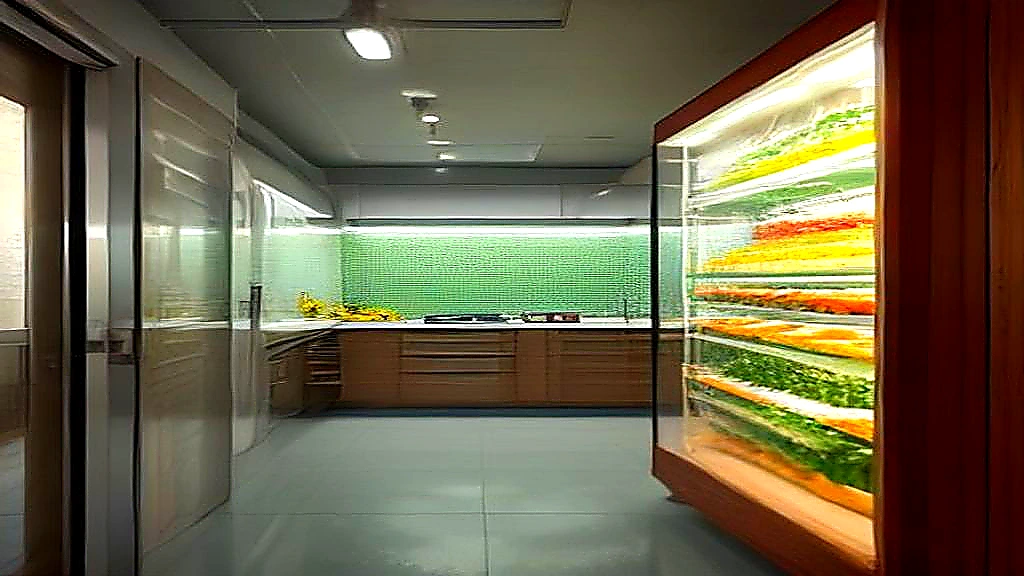
A walk-in cooler box is the backbone of cold storage for many restaurants, commissaries, and high-volume kitchens. When inventory outgrows reach-ins and undercounters, a walk-in gives you aisle space, taller shelving, and room to stage cases, produce, and prepped pans without constant restocking. For more background, see Learn more about Walk-In Cooler Box.
Choosing the right unit means balancing footprint, door style, refrigeration capacity, and how the box fits your receiving and prep flow. This guide walks restaurant owners, kitchen managers, and equipment buyers through practical decisions-without invented model numbers or fake specs-so you can compare quotes with confidence.
Use it alongside your planning for freezers, prep tables, ice machines, and merchandisers. The walk-in cooler box you specify should work with the rest of your cold chain, not fight it.
What a Walk-In Cooler Box Is-and When You Need One
A walk-in cooler box is an insulated enclosure with a dedicated refrigeration system, sized so staff can step inside to store and retrieve product. Unlike a reach-in or chef base, capacity scales with length, width, and interior height, plus how you layout shelving and aisle clearance.
Most kitchens consider a walk-in when daily deliveries, bulk protein, or banquet prep overwhelm upright coolers. If you are constantly rearranging pans or leaving product on carts because doors will not close, that is a signal to size up-not just buy another reach-in.
Walk-ins vs. reach-ins, undercounters, and prep tables
Reach-ins and undercounters win for point-of-use storage near a cookline. Prep tables and refrigerated bases keep mise en place cold at the station. A walk-in cooler box is for bulk holding, overflow, and receiving staging. Many kitchens use both: walk-in for inventory depth, smaller units for service speed.
Doors, drawers, and access patterns
Walk-ins typically use hinged or sliding personnel doors; some layouts add pass-thru or cooler-to-freezer doors. Drawers are more common on prep tables and chef bases than on walk-ins. Match door swing and clearances to cart traffic, ADA needs, and fire egress so opening the cooler does not block aisles during rush.
Size, Footprint, and Capacity Planning
Start with what you store weekly-cases of dairy, produce, protein, sauces-and how tall your shelving runs. Interior net volume matters more than exterior marketing claims; leave aisle width for carts and safe two-person movement. Measure the mechanical room or outdoor pad for the condensing unit as carefully as the box footprint.
Confirm floor load, ceiling height, and whether the walk-in cooler box sits on an existing slab or needs a raised floor and threshold ramps. Outdoor installs need weather protection and clearances for airflow around the condenser. Indoor installs need ventilation so heat rejection does not overheat the kitchen.
Interior layout that protects temperature recovery
Do not block evaporator airflow with shelves or stacked cases. Leave manufacturer-recommended clearances at the coil and keep high-turn items near the door so staff spend less time inside. Faster in-and-out cycles help the system recover after door openings-critical during receiving and prep peaks.
Energy use you can actually influence
Energy use rises with poor seals, frequent door openings, warm product loading, and dirty coils. Specify quality door gaskets, strip curtains or air curtains where appropriate, LED lighting on occupancy sensors, and scheduled coil cleaning. Ask vendors for estimated load based on your climate, usage, and insulation thickness rather than relying on generic brochure claims.
Installation, Cleaning, and Day-to-Day Operation
Installation is not plug-and-play. Panel assembly, floor detailing, refrigerant charging, drainage, electrical disconnects, and startup by a qualified tech all affect long-term performance. Coordinate with your GC for floor drains, wall penetrations, and condensate routing before panels arrive.
Daily habits matter as much as equipment. Wipe spills promptly, keep door sweeps and gaskets free of debris, and avoid propping doors open for extended staging. Train staff to close doors fully and to rotate product so cold air is not blocked by cardboard walls of cases.
Cleaning and food-safety routines
Follow a written schedule: floors and walls, shelving, door hardware, and evaporator areas as recommended by your service partner. Use food-safe cleaners compatible with your panel finish. Document temps with calibrated thermometers or sensors so you catch drift before product is at risk.
Comparing quotes without fake specs
Ask each bidder for box dimensions, insulation type and thickness, door type and size, refrigeration capacity matching your load calculation, electrical requirements, warranty terms, and lead time. Compare apples to apples on remote vs. packaged systems, indoor vs. outdoor condensers, and who handles startup and first-year service.
How a Walk-In Cooler Box Fits Your Full Cold Line
Think of the walk-in cooler box as the hub. Ice machines need their own clearances and drain plans. Freezers may share a vestibule or sit adjacent with careful door sequencing. Merchandisers and bar coolers serve guests; they should not become overflow storage that hides inventory problems in the walk-in.
When you expand later-adding a freezer bay, more prep tables, or a second kitchen-document your current walk-in's panel brand, refrigeration type, and available pad or roof space. That record makes upgrades faster and reduces the chance of mismatched doors or unsupported panel joints.
Temp recovery during busy service
Temp recovery is how quickly the box returns to setpoint after doors open and warm product enters. Recovery depends on refrigeration sizing, ambient conditions, door discipline, and product temperature at load-in. If recovery is slow, review coil cleanliness, refrigerant charge, door seals, and whether you are overloading beyond the design load-not only the thermostat setting.
Frequently Asked Questions
What is a walk-in cooler box used for in a restaurant?
It provides bulk refrigerated storage staff can enter, typically for cases, produce, protein, and prepped items that exceed what reach-ins, undercounters, or prep tables can hold efficiently.
How do I choose the right size walk-in cooler box?
Estimate weekly inventory volume, shelving needs, and aisle width for carts, then match exterior footprint to available floor space and condenser location. Have a refrigeration pro confirm the load for your climate and door-open frequency.
Do walk-in coolers use more energy than reach-ins?
Larger boxes move more heat and often run longer, but efficient insulation, tight doors, clean coils, and good loading habits keep costs in check. Oversized or poorly sealed units waste more energy than a right-sized, well-maintained walk-in.
Should I choose hinged or sliding doors?
Hinged doors are common and simple; sliding doors can help in tight corridors where a swing would block traffic. Choose based on clearance, cart flow, and how often the door stays open during receiving.
What should I ask before installation?
Confirm floor condition, drain and electrical locations, condenser placement and clearances, panel assembly plan, startup by a licensed tech, warranty coverage, and who owns ongoing preventive maintenance.
Can a walk-in cooler box replace all other refrigeration?
Usually no. Keep reach-ins, undercounters, chef bases, and prep tables for station-level access. Use the walk-in for depth of inventory and staging so cookline units stay organized and doors stay closed longer.
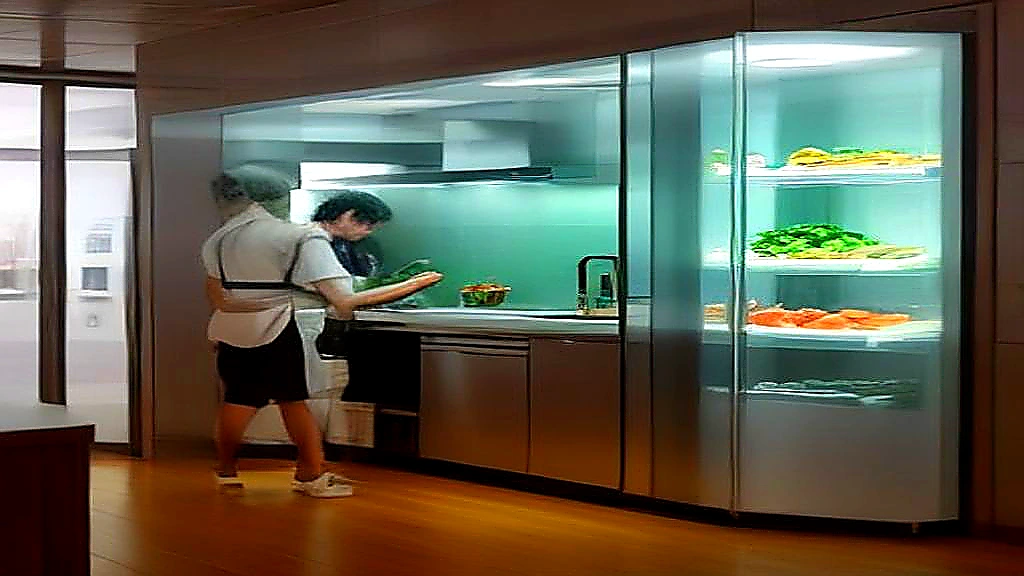
Conclusion
A well-chosen walk-in cooler box protects food quality, simplifies receiving, and frees your cookline equipment to do its job. Focus on footprint, door access, refrigeration capacity matched to real use, and install details that keep seals tight and coils clean.
Next, list your storage volumes and site constraints, then request comparable quotes from commercial refrigeration suppliers. Cross-check those options against your reach-ins, freezers, ice machines, and prep tables so your whole cold line works as one system.
Looking for a ready-to-order option? Explore this Walk-In Cooler Box on HorecaStore.


Comments
Post a Comment