Undercounter Refrigerator Buying Guide for Kitchens
Undercounter Refrigerator Guide for Commercial Kitchens
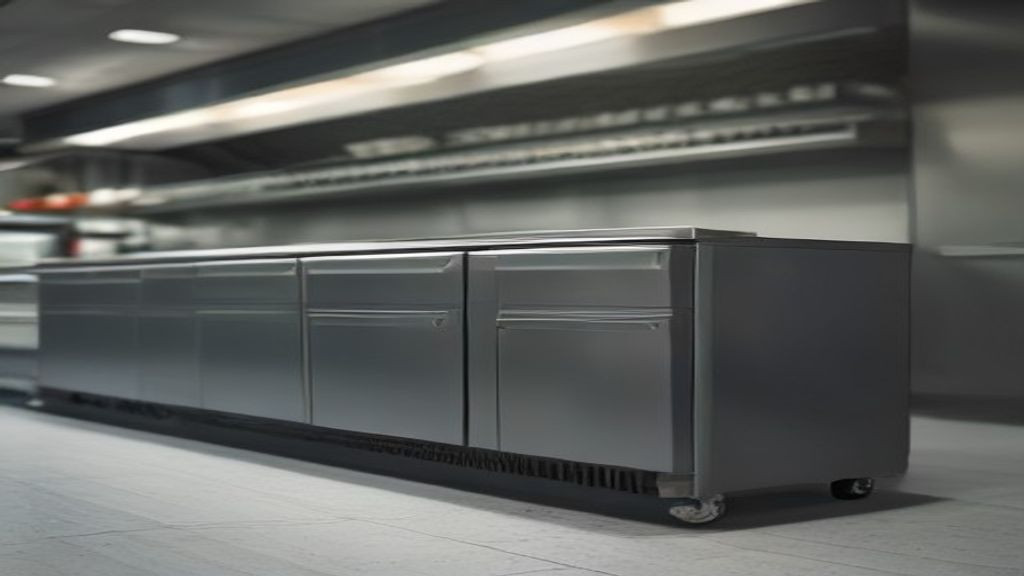
An undercounter refrigerator is one of the most practical cold-storage choices for restaurants, bars, and prep lines that need chilled product within arm's reach. Unlike a tall reach-in, it slides under a worktop or bar rail, freeing aisle space while keeping backup ingredients close to the station that uses them. For more background, see Learn more about Undercounter Refrigerator.
For kitchen managers and buyers comparing commercial refrigeration, the right undercounter unit balances footprint, door or drawer access, temperature recovery during rush periods, and daily cleaning. This guide walks through what matters when you specify, install, and operate an undercounter refrigerator next to reach-ins, prep tables, chef bases, and bar coolers.
What an Undercounter Refrigerator Does Best
An undercounter refrigerator keeps product cold in a low-profile cabinet that fits beneath a counter, typically in the same general height range as standard kitchen work surfaces. It shines when staff need frequent access to portioned proteins, dairy, garnishes, or bottled beverages without walking to a walk-in or full-height reach-in.
In a commercial kitchen, that proximity cuts steps during service and can reduce door-open time on larger cold rooms. It does not replace bulk storage; it complements walk-ins, reach-ins, and prep tables by staging what each station will use in the next few hours.
Where undercounters fit in your cold chain
Use an undercounter refrigerator at cook lines, pastry stations, expo, and behind the bar. Pair it with a prep table when you need a cutting surface above cold pans, or with a chef base when equipment sits on top and drawers hold product below. Match the unit's role to the station's rush pattern so you are not relying on a small cabinet for all overnight storage.
Undercounter vs reach-in vs prep table
Reach-ins hold more volume and taller pans; undercounters prioritize access and floor-plan efficiency. Prep tables add a refrigerated rail or pan openings for mise en place, while a straight undercounter refrigerator focuses on solid storage behind doors or drawers. Choose based on whether you need worktop prep space, maximum cubic capacity, or the smallest footprint under an existing counter.
Capacity, Footprint, and Layout Decisions
Capacity is usually expressed in cubic feet and by how many sheet pans, hotel pans, or bottle rows the cabinet can hold. Measure the opening carefully: height under the counter, width including any required clearance for doors or drawers, and depth so the unit does not block aisles or fire exits.
Leave space for airflow at the condenser area as specified by the manufacturer. Crowding an undercounter refrigerator against walls, cabinets, or grease-laden equipment raises energy use and shortens compressor life. Plan electrical outlets, floor drains if condensation management requires them, and a path for service access before you order.
Doors vs drawers for workflow
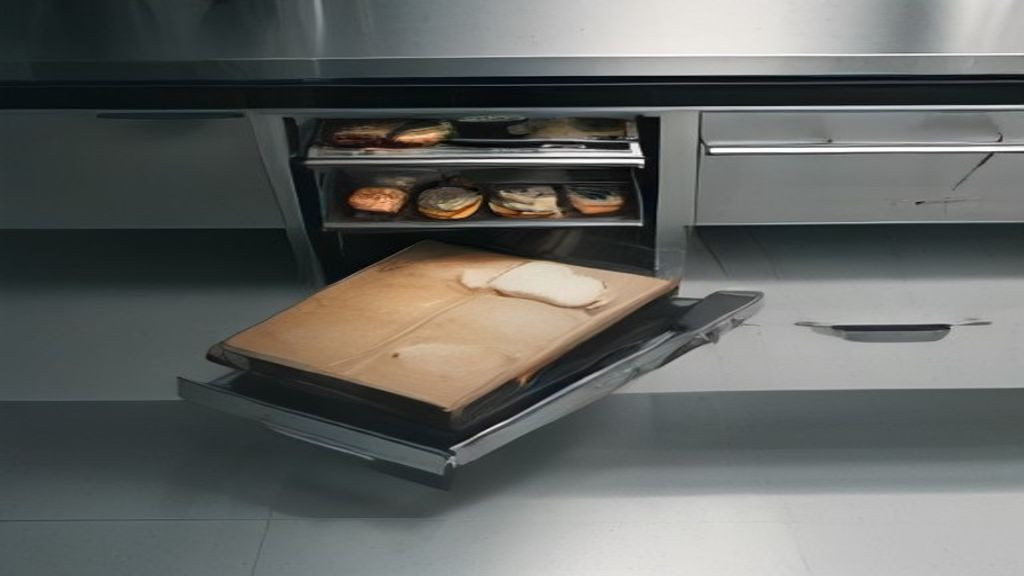
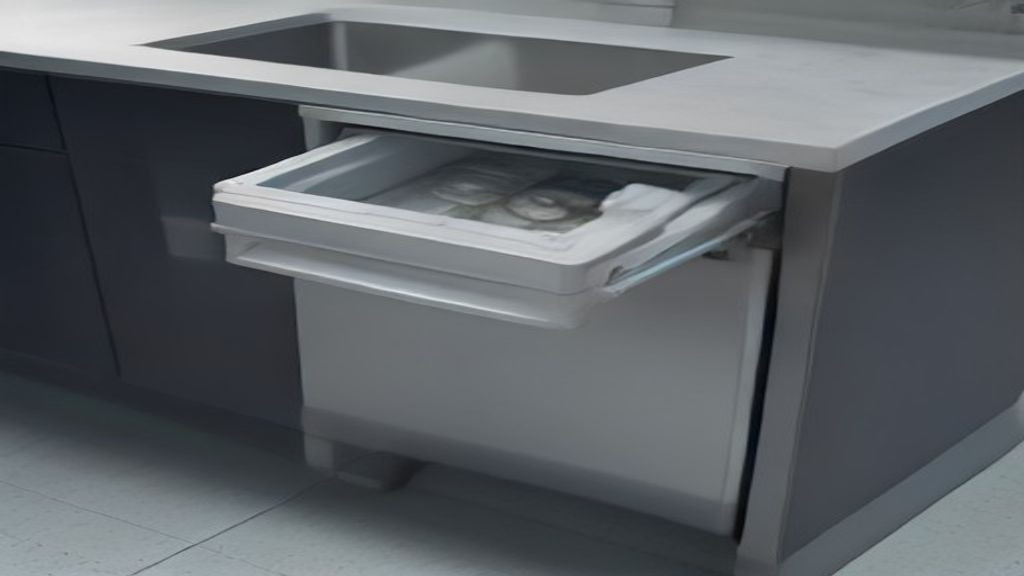
Doors suit bulk containers, tall bottles, and sheet pans when you open infrequently. Drawers help on cook lines where cooks pull a single pan without exposing the whole cabinet; they can improve organization but need clear aisle space to fully extend. Test the swing or pull path against adjacent equipment so service staff are not blocked during peak periods.
Temperature recovery and duty cycle
Busy stations open an undercounter refrigerator often. Look for units designed for commercial duty with adequate refrigeration capacity for your ambient kitchen heat, not just light duty under-bar use. Strong temperature recovery after door openings helps keep product in a safe refrigerated range; poor recovery shows up as warm product, frost, or constant compressor run.
Energy Use, Cleaning, and Installation Essentials
Energy performance depends on insulation, gasket condition, door discipline, condenser cleanliness, and ambient temperature. Keep door gaskets sealed, set temperatures for food safety rather than colder than needed, and schedule filter or coil cleaning so heat can leave the cabinet efficiently.
Installation should follow the maker's clearance, leveling, and electrical requirements. An unlevel unit can prevent doors from sealing; incorrect voltage or shared circuits can cause nuisance trips during simultaneous equipment starts. Confirm whether the model is intended for front-of-house under-bar use or hotter back-of-house environments.
Daily cleaning and sanitation habits
Wipe spills promptly, empty and sanitize interiors on a set schedule, and clean door tracks or drawer slides so they do not bind. Exterior stainless stays presentable with non-abrasive cleaners; avoid harsh chemicals that damage gaskets. A clean condenser area is as important as a clean interior for reliable temperatures.
Buying checklist for restaurant owners
Confirm interior configuration (shelves vs drawers), exterior finish for kitchen or bar visibility, locking needs, and whether you need a worktop surface. Compare warranty terms, parts availability, and local service coverage. Ask vendors how the undercounter refrigerator will perform next to fryers, ovens, or dishwashers where ambient heat is high.
Frequently Asked Questions
What is an undercounter refrigerator used for in a restaurant?
It provides refrigerated storage under a counter or bar so staff can stage ingredients and beverages close to the station that uses them, without dedicating floor space to a tall reach-in.
How do I choose the right size undercounter refrigerator?
Measure the under-counter opening for height, width, and depth, then match cubic capacity and pan or bottle layout to what that station uses each shift. Always include manufacturer clearance for airflow and door or drawer travel.
Are doors or drawers better on an undercounter refrigerator?
Doors generally favor bulk and taller items with fewer openings; drawers favor cook-line access to individual pans. Choose based on workflow and whether you have room for drawers to extend fully.
Why does my undercounter refrigerator struggle during rush hour?
Frequent door openings, high kitchen ambient heat, dirty condenser coils, or a light-duty unit in a heavy-duty location can slow temperature recovery. Improve door discipline, clean coils, verify clearances, and confirm the model is rated for your environment.
Can an undercounter refrigerator replace a walk-in or reach-in?
No. It is best for near-station staging. Keep bulk inventory in walk-ins or reach-ins and use the undercounter unit for what you need within a service window.
What should I check before installing an undercounter refrigerator?
Verify leveling, electrical supply, airflow clearances, gasket seal, and that the location is not blocking egress or conflicting with plumbing and adjacent equipment. Follow the installation manual for that specific model.
Conclusion
A well-chosen undercounter refrigerator shortens steps, protects product at the station, and preserves floor space for production. Focus on real measurements, door versus drawer workflow, temperature recovery under load, and a cleaning and install plan your team can sustain.
When you compare quotes, line the undercounter refrigerator up against your reach-ins, prep tables, chef bases, and bar coolers as one system-not an isolated box. For more equipment comparisons and buying checklists, explore the guides at Commercial Refrigeration Guides and match each station to the cold storage it actually needs.
Looking for a ready-to-order option? Explore this Undercounter Refrigerator on HorecaStore.


Comments
Post a Comment