Remote Condenser Ice Machine Buyer's Guide
Remote Condenser Ice Machine: What Buyers Should Know
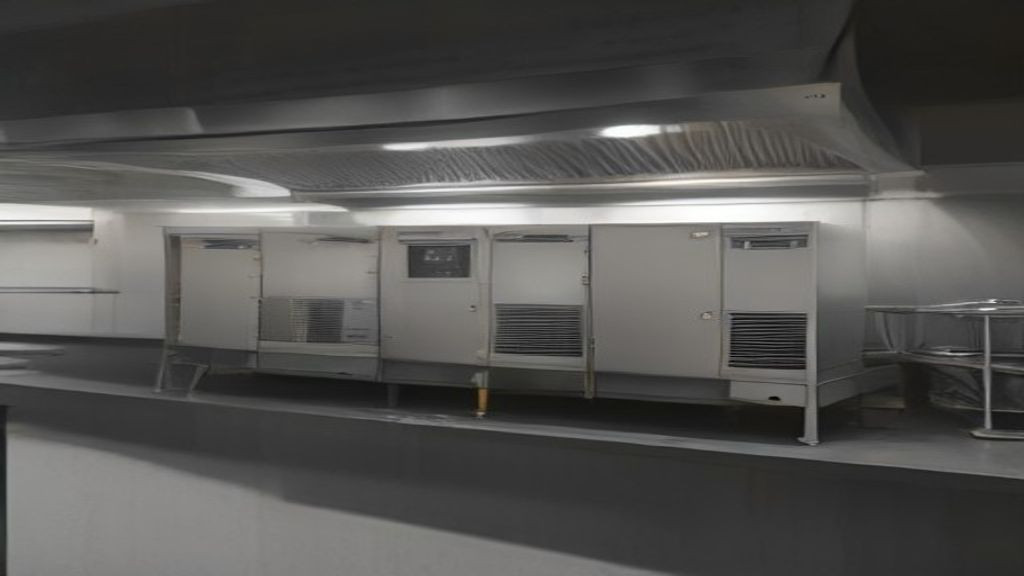
A remote condenser ice machine moves the heat-producing condenser out of the kitchen-usually to a rooftop, mechanical room, or outdoor pad-so the ice maker head stays cooler and quieter at the point of use. For restaurants, bars, hotels, and high-volume prep kitchens, that separation can mean better ice consistency, less heat load on HVAC, and a more comfortable work environment. For more background, see Learn more about Remote Condenser Ice Machine.
If you are comparing commercial refrigeration equipment alongside reach-ins, prep tables, chef bases, and walk-ins, ice production is often the bottleneck that shows up first during a rush. Choosing the right remote setup is less about brand slogans and more about capacity planning, line set distance, drainage, water quality, and how your staff will clean and service the unit day to day.
This guide walks through when a remote condenser ice machine makes sense, what to verify before you buy, and how to evaluate footprint, doors or bin access, temperature recovery under load, energy use, installation, and sanitation without relying on invented model specs.
When a Remote Condenser Ice Machine Makes Sense
A remote condenser ice machine is most useful when the ice maker must sit in a hot, cramped, or guest-facing space. Kitchens with limited airflow, bars under stairs, service corridors, and open-concept concepts often struggle with air-cooled self-contained units because the condenser dumps heat right back into the room. Remote designs relocate that heat rejection so the maker can focus on freezing water more efficiently in tough ambient conditions.
Remote systems also help when noise and vibration matter. Guests notice compressor and fan noise near dining rooms, tasting bars, or hotel lobbies. Moving the condenser outdoors or into a mechanical area keeps the ice station quieter while still supporting high daily production for beverages, seafood displays, catering, and back-of-house cooling packs.
Heat, noise, and HVAC load in the kitchen
Self-contained air-cooled ice machines add heat and humidity to the room, which can raise ambient temperature around the maker and nearby refrigeration. Higher kitchen temps can slow ice production and increase recovery time after a rush. A remote condenser ice machine reduces that local heat dump, which often improves comfort for staff and can ease strain on kitchen HVAC-especially in small footprints where every BTU shows up on the thermostat.
High-volume beverage and prep demand
Busy beverage programs, banquet service, and seafood or produce prep can burn through ice faster than a small undercounter unit can recover. Remote condenser setups are commonly paired with larger modular ice makers and separate bins or dispensers. Match daily poundage needs plus a safety margin for peak days, then confirm bin capacity so you are not harvesting ice into an undersized storage container that forces midday shortages.
Capacity, Footprint, and Storage Planning
Start with real usage, not catalog optimism. Estimate ice per day from drinks, salad bars, seafood iced displays, catering, and staff habits, then add headroom for weekends, weather, and menu specials. Undersizing forces constant harvest cycles and empty bins; oversizing wastes energy, water, and floor space while ice sits long enough to clump or pick up odors.
Footprint planning covers three zones: the ice maker head, the ice bin or dispenser, and the remote condenser location. The head still needs clearances for airflow, utility access, and cleaning. The bin needs aisle space for scooping, carts, and safe lid or door operation. The condenser needs outdoor or mechanical-room clearances, vibration isolation, and a path for refrigerant line sets approved by the manufacturer.
Maker head vs bin vs condenser placement
Treat the ice station as a system. The maker head should sit where staff can monitor production and perform daily wipe-downs without blocking exits. The bin should be close enough for fast scooping during service but far enough from grease, chemicals, and open waste. The remote condenser should be installed where it can reject heat freely-away from grease exhaust, soft landscaping that blocks coils, and areas where snow, leaves, or kitchen lint will choke the fins.
Doors, lids, and access for busy shifts
Most ice storage uses top lids or hinged bin doors rather than refrigerated cabinet doors. Prioritize wide, durable openings, smooth scooping height, and lids that staff will actually close. If you use a dispenser, confirm cup clearance, portion control options, and whether filtered water plumbing is required. Poor access slows service and invites propped-open lids that melt ice and raise sanitation risk.
Energy Use, Temp Recovery, and Operating Costs
Energy use for a remote condenser ice machine depends on ice type, daily production, water temperature, ambient conditions at the condenser, and how often the unit cycles. Remote designs can perform well in hot kitchens because the condenser is not fighting kitchen heat at the maker, but long line sets, dirty outdoor coils, and high condenser ambient temperatures still raise power draw. Ask vendors for published energy data and compare on a per-100-lb basis when possible.
Temperature recovery in ice equipment is really production recovery: how quickly the machine returns to a full bin after a rush. Hot inlet water, scaled evaporators, restricted condenser airflow, and low refrigerant charge all slow harvest. Keep water filtration maintained, clean condensers on a schedule, and size storage so peak demand does not empty the bin before the next harvest window.
What drives kilowatt-hours and water use
Ice machines use electricity for compressors, fans, pumps, and controls, and they consume water for ice plus purge or flush cycles that help control scale and taste. Soft or filtered water usually protects evaporators and can improve consistency, but filters must be changed on schedule. A neglected remote condenser coil outdoors can erase efficiency gains by forcing the compressor to work harder in high head pressure conditions.
Recovery after peak service periods
Plan for the worst hour of the week, not the quiet Tuesday average. If your bar empties a bin during brunch or a Friday dinner turn, you need either more storage, a higher production rating, or staggered secondary ice capacity. Remote condenser ice machines support strong production in challenging indoor ambients, but they still need correct charge, clean coils, and adequate bin volume to recover between peaks.
Installation, Cleaning, and Service Realities
Installation is the make-or-break step for remote systems. You will need a qualified refrigeration technician for the ice maker, bin, remote condenser, line set routing, refrigerant handling, electrical connections, drain pitch, and startup. Confirm maximum line-set length and elevation limits from the manufacturer before you commit to a rooftop or distant pad location. Poor drains and shared floor sinks are common causes of standing water and service callbacks.
Cleaning is non-negotiable for ice quality and uptime. Follow the maker's schedule for exterior wipe-downs, bin sanitation, evaporator cleaning or descaling, condenser coil cleaning, and water filter changes. Train staff to use food-safe scoops only, never glassware, and to keep the bin lid closed. Document service dates so managers can spot rising energy use or longer harvest times before a failure hits a weekend.
Line sets, drains, and site requirements
Budget for refrigerant line sets, weatherproof disconnects, roof penetrations or wall sleeves, condensate drains with proper air gap, and a dedicated electrical circuit sized to the nameplate. Protect outdoor condensers from vehicle traffic, lawn equipment, and debris. Indoors, leave service clearances around the maker head so technicians can reach pumps, floats, and control boards without dismantling half the bar.
Daily sanitation and scheduled maintenance
Daily tasks should be simple: empty melt water if directed, wipe splash zones, check that lids close, and verify ice looks clear and smells neutral. Scheduled tasks include bin deep cleans, sanitizer cycles or manufacturer cleaning protocols, scale removal where water hardness is high, and outdoor coil washing. A remote condenser ice machine only stays efficient if both the indoor maker and outdoor condenser are maintained as a pair.
How to Compare Models Without Guesswork
When you request quotes, ask for ice type (cube, half-dice, nugget, flake), 24-hour production ratings at stated water and air conditions, bin storage capacity, exterior dimensions and clearances, electrical specs, water inlet and drain requirements, remote condenser model compatibility, and published energy or water data. Require the installing contractor to confirm line-set feasibility on your site drawings or a walkthrough.
Compare total cost of ownership: equipment price, installation complexity, expected filter and cleaning labor, service access, warranty coverage for both maker and condenser, and downtime risk. For many restaurants, the best remote condenser ice machine is the one that fits utilities and roof access cleanly, recovers after peak service, and can be cleaned by staff without special gymnastics.
Questions to ask dealers and installers
Ask where the condenser will sit, how long the line set will run, whether winter operation kits or sun/snow protection are needed, how condensate will drain, and who owns first-year maintenance. Confirm lead times for replacement parts, whether the bin is included, and how production ratings change in hot weather or with warm inlet water. Clear answers here prevent expensive change orders after the equipment is already on site.
Frequently Asked Questions
What is a remote condenser ice machine?
It is a commercial ice maker that places the ice-producing head in the kitchen or bar while locating the condenser-and often the compressor package, depending on design-in a remote area such as a rooftop or mechanical room. Refrigerant lines connect the components so heat is rejected away from the point of use.
When should I choose remote over a self-contained ice machine?
Choose remote when kitchen heat, poor ventilation, guest noise sensitivity, or tight indoor clearances limit a self-contained air-cooled unit. Remote setups are also common for higher-capacity modular makers paired with large bins in restaurants, hotels, and banquet operations.
Does a remote condenser ice machine use less energy?
It can operate more efficiently in hot kitchens because the condenser is not rejecting heat into the same room as the maker, but actual kilowatt-hours still depend on production volume, water temperature, condenser ambient conditions, line-set design, and maintenance. Compare manufacturer energy data and keep outdoor coils clean.
What installation issues cause the most problems?
Oversized line-set runs beyond manufacturer limits, inadequate drain pitch, shared or clogged drains, blocked outdoor condenser airflow, incorrect electrical supply, and skipped startup charging or commissioning are frequent failure points. Use a qualified refrigeration installer and verify site conditions before purchase.
How often should I clean a remote condenser ice machine?
Follow the manufacturer's cleaning and sanitizing schedule for the evaporator and bin, and clean the remote condenser coil as often as local dust, grease, pollen, or lint requires-often more frequently in kitchen-adjacent rooftops. Change water filters on the recommended interval to protect taste and reduce scale.
What capacity should a restaurant plan for?
Estimate peak daily ice use from beverages, displays, and prep, then add a buffer for busy periods and warm weather. Pair production capacity with enough bin storage so a rush does not empty the ice before the machine can recover. Ask vendors for ratings at conditions close to your water and ambient temperatures.
Conclusion
A remote condenser ice machine is a practical choice when heat, noise, and high ice demand collide in a commercial kitchen or bar. Focus on real capacity needs, bin access, condenser placement, line-set feasibility, energy and water realities, and a cleaning plan your team will follow.
Before you buy, walk the install path with a qualified technician, compare documented production and utility data, and line the ice station up with the rest of your refrigeration plan-from prep tables to walk-ins. For more equipment comparisons and buying checklists, keep exploring Commercial Refrigeration Guides and match the machine to how your kitchen actually runs.
Looking for a ready-to-order option? Explore this Remote Condenser Ice Machine on HorecaStore.


Comments
Post a Comment