Reach In Refrigerator Buying Guide for Kitchens
Reach In Refrigerator Guide for Commercial Kitchens

A reach in refrigerator is one of the hardest-working pieces of equipment in a commercial kitchen. It keeps prep ingredients close to the line, supports food safety, and reduces trips to a walk-in during service. For more background, see Learn more about Reach In Refrigerator.
Restaurant owners and kitchen managers usually choose between one-, two-, and three-section cabinets, solid or glass doors, and shelf or drawer configurations. The right pick depends on menu volume, available floor space, and how quickly you need the cabinet to recover after frequent door openings.
This guide from Commercial Refrigeration Guides walks through what matters when you compare a reach in refrigerator with undercounters, chef bases, prep tables, and walk-ins-so you can buy for workflow, not just sticker price.
What a Reach In Refrigerator Is Best For
A reach in refrigerator is a freestanding upright cabinet designed for frequent access during prep and service. Staff can grab pans, proteins, dairy, and garnishes without leaving the cook line for long stretches.
Compared with a walk-in, a reach-in offers faster access and a smaller footprint near the action. Compared with undercounters or chef bases, it usually offers more vertical storage and clearer organization for bulk backups and labeled pans.
Where Reach-Ins Fit in a Full Cold Lineup
Most kitchens use a mix: walk-ins for bulk storage, reach-ins for line-side inventory, prep tables for make stations, and bar coolers or merchandisers for beverages. A reach in refrigerator should hold what you need within a shift-not everything you own.
Solid Doors vs Glass Doors
Solid doors typically retain cold better and suit back-of-house storage. Glass doors help with visibility for grab-and-go or bar use, but they can work harder in hot kitchens if doors stay open longer while staff look inside.
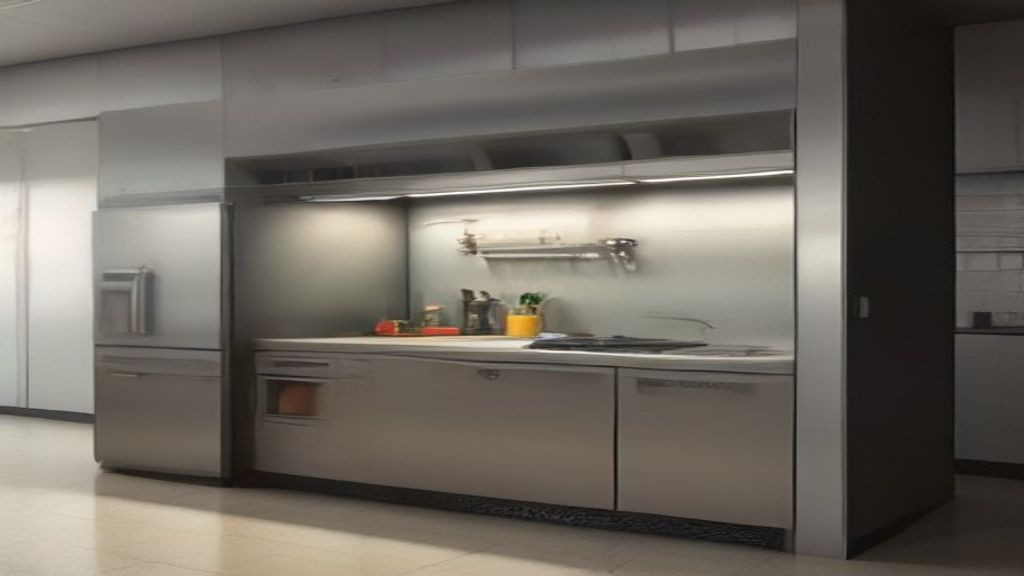
Capacity, Footprint, and Door vs Drawer Layout
Start with usable interior volume and exterior width, not marketing claims alone. One-section units fit tight corridors; two-section cabinets are the common workhorse; three-section models suit high-volume prep or multi-station kitchens.
Measure the install space carefully: door swing, aisle clearance, hood and equipment overhangs, and whether casters or legs are required. A cabinet that "fits" on paper can still block traffic if doors open into a busy path.
Shelves vs Drawers for Workflow
Shelves work well for sheet pans, hotel pans, and boxed product. Drawers help portion control and keep items organized by station, but they can reduce flexibility for odd-sized containers. Match the interior to how your crew actually stages food.
Temperature Zones and Freezer Combos
Some kitchens need a refrigerator-only reach-in; others prefer refrigerator/freezer combinations. Keep refrigerated product and frozen product in equipment sized for each duty so you do not overwork a single cabinet or compromise food safety.
Performance Factors Buyers Should Compare
Beyond capacity, focus on temperature recovery, energy use, cleanability, and installation realities. These factors determine daily cost and how well the unit holds product during a busy service.
Temp Recovery, Airflow, and Placement
Frequent door openings pull warm kitchen air into the cabinet. Look for strong airflow design, reliable door gaskets, and proper clearance around the condenser so the unit can reject heat. Never shove a reach in refrigerator against a wall or hot equipment without the manufacturer's required clearance.
Energy Use, Cleaning, and Installation
Energy-efficient fans, LED lighting, and tight seals reduce operating cost over the life of the unit. Plan for condensate management, electrical capacity, and floor protection during install. Daily wipe-downs, gasket inspection, and scheduled condenser cleaning keep temperatures stable and extend service life.
How to Choose the Right Reach In Refrigerator
List the products you will store, peak door-open frequency, and whether the unit sits on the cook line, in prep, or in a cooler corridor. Then shortlist by section count, door style, and shelf or drawer layout that matches that workflow.
Compare warranty coverage, service network availability, and replacement parts access in your market. A slightly higher purchase price can be cheaper long-term if downtime and repair delays are lower.
Questions to Ask Before You Buy
Ask about recommended clearances, expected amp draw, casters vs legs, interior pan configurations, and whether the model is better suited to hot line placement or cooler prep rooms. Confirm delivery path width and whether the unit ships assembled or needs on-site setup.
Frequently Asked Questions
What size reach in refrigerator do most restaurants need?
Many independent kitchens start with a two-section reach in refrigerator for line-side storage. Choose based on shift inventory and footprint: one section for tight spaces, three sections for high-volume prep or shared stations.
Are solid doors better than glass doors on a reach in refrigerator?
Solid doors are usually better for back-of-house storage because they help retain cold and reduce browsing time. Glass doors are useful when visibility matters, such as beverage or grab-and-go setups.
How is a reach in refrigerator different from an undercounter unit?
A reach-in is taller and typically holds more product in less floor depth near the line. Undercounters fit under work surfaces and support station-specific storage, but they usually hold less total volume.
What affects temperature recovery in a reach in refrigerator?
Door-open frequency, gasket condition, condenser cleanliness, ambient kitchen heat, and proper airflow clearance all affect recovery. Poor placement next to ovens or fryers can make even a strong unit struggle.
How often should I clean a commercial reach in refrigerator?
Wipe interiors and handles daily, inspect gaskets regularly, and clean condenser coils on a routine schedule based on kitchen grease and dust load. Consistent cleaning protects food safety and energy efficiency.
Can I use a reach in refrigerator instead of a walk-in?
A reach-in can replace a walk-in only for lower-volume operations or as supplemental storage. High-volume kitchens usually still need a walk-in for bulk receiving and long-term cold storage.

Conclusion
Choosing a reach in refrigerator is less about buying the biggest cabinet and more about matching capacity, access style, and performance to your service pattern. Measure the space, map the workflow, and compare recovery, energy, and service support before you commit.
If you are comparing reach-ins with undercounters, chef bases, prep tables, or walk-ins, use this checklist to shortlist models that fit your kitchen-not just the catalog page. Commercial Refrigeration Guides can help you evaluate the next option with the same practical criteria.
Looking for a ready-to-order option? Explore this Reach In Refrigerator on HorecaStore.


Comments
Post a Comment