Milk Cooler Buying Guide for Commercial Kitchens
Milk Cooler Buying Guide for Commercial Kitchens
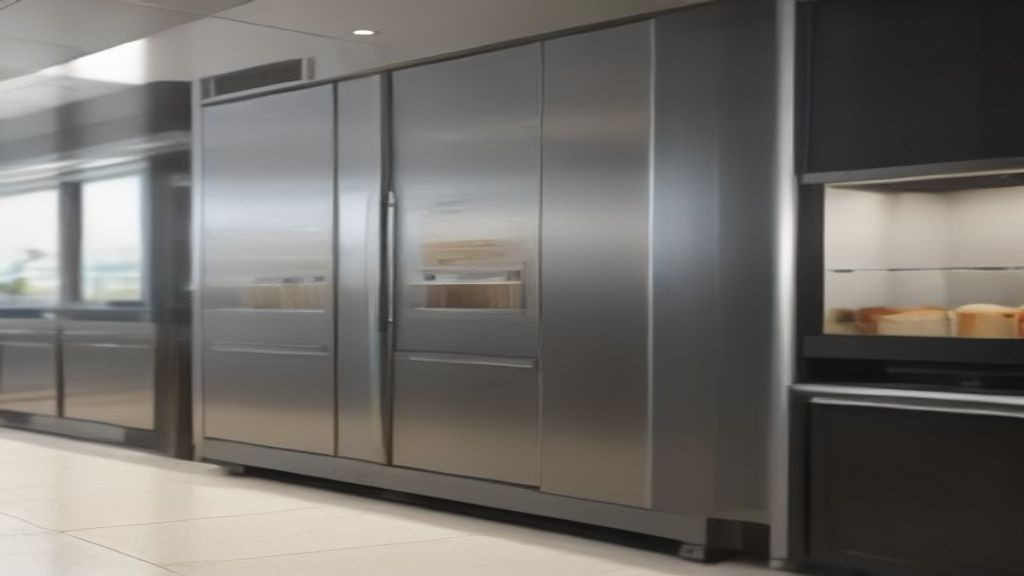
A milk cooler keeps dairy at safe serving temperatures for coffee bars, breakfast lines, and high-volume beverage stations. Choosing the right unit affects food safety, drink consistency, and how smoothly your staff works during peak rushes. For more background, see Learn more about Milk Cooler.
Restaurant owners and kitchen managers usually weigh footprint, door or drawer access, temperature recovery after frequent openings, and energy use. Buyers comparing reach-ins, undercounters, and bar coolers should treat a milk cooler as a dedicated cold-holding tool, not a catch-all fridge.
This Commercial Refrigeration Guides overview walks through practical selection points so you can match capacity, cleaning needs, and installation requirements to your menu and service style.
What a Milk Cooler Does in a Commercial Kitchen
A milk cooler is built for frequent access and stable cold holding of milk, cream, and other dairy used in drinks and prep. Unlike a general reach-in that stores mixed product, it is often sized and arranged for cartons, jugs, or serving pans that staff grab all day.
In coffee programs and breakfast service, the cooler supports consistent drink quality and reduces the risk of dairy sitting in the danger zone. Placement near espresso machines, juice stations, or prep areas matters as much as the cabinet itself.
Where milk coolers fit among other refrigeration
Think of a milk cooler alongside undercounters, chef bases, bar coolers, and prep tables rather than as a walk-in substitute. It is a point-of-use unit. Walk-ins and large reach-ins still handle bulk receiving and overnight storage; the milk cooler holds working stock at the station.
Food safety and holding temperature basics
Dairy should stay at or below safe refrigerated holding temperatures throughout service. Look for units designed for commercial duty with reliable thermostats and clear temperature displays. Confirm that your SOPs cover rotation, dating, and wiping spills so cold air and seals stay effective.
How to Size Capacity, Footprint, and Access
Start with peak demand: how many gallons or liters you burn through in your busiest hour, plus a buffer for deliveries that arrive mid-shift. Undersizing forces constant restocking from a distant cooler; oversized cabinets waste floor space and energy.
Measure the station carefully. Note counter height, overhangs, electrical outlets, and aisle clearance for doors or drawers. A milk cooler that fits the footprint still fails if staff cannot open it without blocking the line.
Doors versus drawers for speed and ergonomics
Doors work well when you store upright cartons or jugs and need a clear view of inventory. Drawers can speed access for pans or smaller containers at elbow height and may reduce how long the cabinet stays open. Match the configuration to how your baristas or cooks actually reach for product during rush.
Temp recovery after frequent openings
Coffee and breakfast stations open coolers constantly. Ask about recovery performance in real service conditions: evaporator design, insulation, door seals, and whether the compressor can keep up when ambient kitchen heat is high. Strong recovery helps keep milk cold and drinks consistent when traffic spikes.
Energy Use, Cleaning, and Installation Checklist
Energy use depends on cabinet size, insulation, door openings, ambient temperature, and how well staff keep condenser coils clean. Place the unit away from ovens, dishwashers, and direct sun when possible. Routine coil cleaning and gasket checks often cut both energy waste and temperature swings.
Cleaning should be simple enough that closing crews actually do it. Removable shelves or pans, smooth interiors, and accessible drip areas reduce biofilm risk from milk spills. Plan for daily wipe-downs and a deeper weekly clean of seals and drains.
Installation and utility requirements
Confirm voltage, plug type, and whether the unit needs dedicated circuit capacity. Allow manufacturer-recommended clearance for ventilation. Level the cabinet so doors or drawers seal evenly. If you are replacing another undercounter or bar cooler, verify that the new depth and height still clear counters and toe kicks.
Maintenance habits that protect dairy quality
Train staff to close doors fully, avoid propping the cooler open during prep, and report frost, warm spots, or noisy fans early. Keep a spare gasket plan for high-use stations. Document setpoint checks at open and close so managers can catch drift before milk quality or safety is affected.
Comparing a Milk Cooler to Other Commercial Options
Buyers often ask whether an undercounter fridge, reach-in, or bar cooler can double as a milk cooler. Sometimes yes for low volume, but dedicated or well-matched point-of-use refrigeration usually wins when dairy turns over fast and sits next to heat-producing equipment.
Use the same comparison lens you apply to ice machines, freezers, prep tables, merchandisers, and walk-ins: capacity for the job, footprint on the line, access style, recovery under load, energy and cleaning burden, and install constraints. Spec sheets vary by brand; verify claims against your kitchen conditions rather than relying on marketing alone.
Questions to ask before you buy
Ask about holding capacity in practical terms (cartons, jugs, or pans), exterior dimensions and door swing, recommended ambient operating range, cleaning access to coils and drains, warranty coverage for commercial use, and lead time for parts. If multiple stations need dairy, decide whether one larger cooler or two smaller units better protect service flow.
Frequently Asked Questions
What temperature should a milk cooler hold dairy at?
Hold refrigerated dairy at safe cold-storage temperatures at or below standard refrigerated holding limits used in commercial foodservice. Use a calibrated thermometer to verify the cabinet, not only the display, and adjust setpoints if ambient heat or frequent openings cause warm spots.
Do I need a dedicated milk cooler or will an undercounter fridge work?
An undercounter or bar cooler can work for light use if it recovers temperature quickly and sits at the point of use. High-volume coffee or breakfast lines usually benefit from a milk cooler sized and positioned specifically for frequent dairy access so bulk reach-ins are not opened all day.
Are drawers better than doors on a milk cooler?
Drawers often help when staff grab pans or containers at a fixed height and want shorter open times. Doors are often better for tall cartons and quick visual inventory. Choose based on container type, station height, and how your team works during peak service.
How much capacity do I need?
Estimate peak-hour milk use, then add buffer for delays between restocks from your walk-in or reach-in. Factor in container sizes you actually buy. Capacity that matches working stock reduces both stockouts and wasted space.
What installation details matter most?
Confirm electrical requirements, ventilation clearance, leveling, and door or drawer swing relative to aisles and equipment. Poor airflow and tight installs are common causes of warm holding temperatures and higher energy use.
How should staff clean a milk cooler?
Wipe spills promptly, clean interiors and door gaskets daily, and follow a schedule for shelves, drains, and condenser coils. Milk residue left in seams or seals can affect odor, sanitation, and how well the door closes.
Conclusion
A well-chosen milk cooler keeps dairy cold, speeds service, and fits the real footprint of your coffee or breakfast station. Focus on working capacity, doors or drawers that match your workflow, recovery under frequent openings, and cleaning and install details you can sustain every day.
Use this Commercial Refrigeration Guides checklist when you compare quotes next to reach-ins, undercounters, chef bases, and bar coolers. Measure the station, map peak demand, and verify utilities before you buy so the unit supports food safety and ticket times from day one.
Looking for a ready-to-order option? Explore this Milk Cooler on HorecaStore.


Comments
Post a Comment