Merchandiser Refrigerator Buying Guide for Kitchens
Merchandiser Refrigerator Buying Guide for Commercial Kitchens
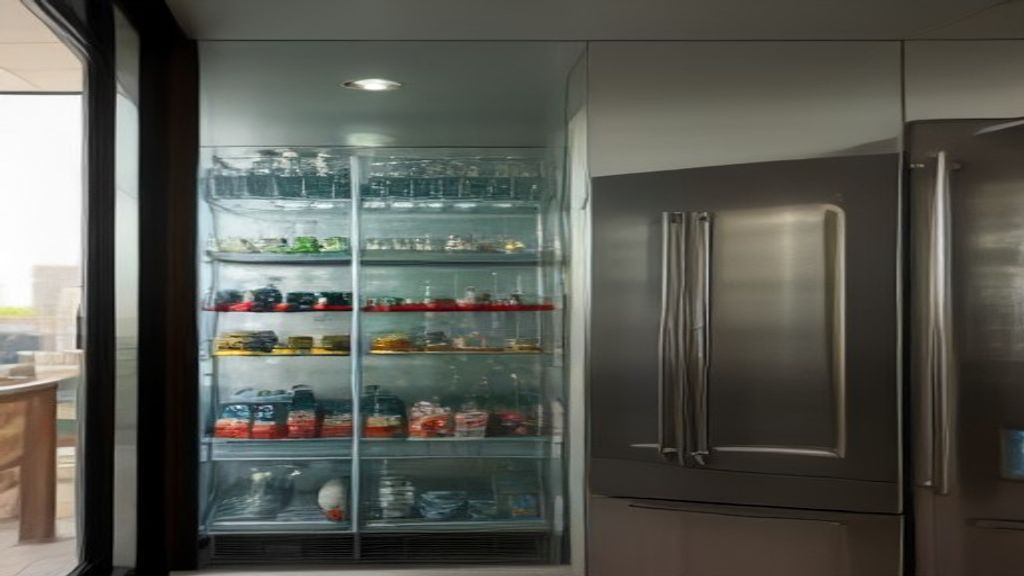
A merchandiser refrigerator is built to do two jobs at once: keep product safely cold and show it clearly to staff or customers. Unlike a solid-door reach-in, these glass-door units turn beverages, grab-and-go meals, desserts, and packaged foods into an easy sell while holding steady commercial temperatures. For more background, see Learn more about Merchandiser Refrigerator.
For restaurant owners, kitchen managers, and equipment buyers, choosing the right merchandiser refrigerator means balancing display impact with footprint, door style, energy use, and how fast the cabinet recovers after busy service. The wrong unit can waste floor space, drive up utility costs, or struggle when doors open constantly.
This guide walks through practical selection points-capacity and layout, hinged vs sliding doors, temperature recovery, installation, and cleaning-so you can compare merchandisers alongside reach-ins, undercounters, prep tables, and other commercial refrigeration you already run.
What a Merchandiser Refrigerator Is Best Used For
A merchandiser refrigerator is a commercial display cooler with one or more glass doors (or open fronts on some models) designed for visibility and frequent access. Common placements include the front counter, café line, convenience-style grab-and-go area, bar back, and lobby retail zones where guests choose drinks or packaged items themselves.
In back-of-house or pass-through settings, merchandisers also help staff find product quickly without opening multiple solid doors. They are not a substitute for walk-in coolers when you need bulk storage, and they are not prep tables when you need cutting boards and pans. Think of them as the display and high-visibility layer of your cold chain.
When comparing equipment categories, ask whether the primary need is selling and spotting product, or maximizing insulated storage density. If visibility and impulse sales matter, a merchandiser refrigerator usually outperforms a standard reach-in for that role.
Where merchandisers fit vs reach-ins and undercounters
Reach-ins favor insulated solid doors and denser storage for prep ingredients and bulk pans. Undercounters and chef bases prioritize workflow under counters and near cooklines. A merchandiser refrigerator prioritizes glass, lighting, and shelf presentation. Many kitchens use both: merchandisers out front for bottled drinks and packaged foods, and solid-door units in the kitchen for raw and prep product.
Typical products that belong in a glass-door merchandiser
Bottled and canned beverages, juices, dairy drinks, yogurt, packaged salads, sandwiches, desserts, and branded grab-and-go meals are natural fits. Keep raw proteins and high-risk prep items in dedicated solid-door refrigeration whenever local code and food-safety practice call for separation and less light exposure.
Capacity, Footprint, and Door Style Decisions
Start with what you need to hold on a peak day, then size the cabinet so shelves are full enough to look stocked without blocking airflow. Merchandiser refrigerators are often described by number of doors (one, two, or three) and by approximate cubic feet or bottle capacity. Exact ratings vary by brand and shelf layout, so verify usable shelf space and clear product height against your tallest SKUs.
Footprint matters as much as volume. Measure door swing, aisle clearance, and delivery path before you order. A wider multi-door merchandiser can increase sales face but may block traffic or fail to fit through a service entrance. Sliding doors can reduce swing clearance in tight front-of-house spaces; hinged doors often seal more simply and can feel sturdier for high-traffic staff use.
Also plan for vertical clearance: top-mounted condensers need headroom and airflow, while bottom-mounted designs may be easier to service in some layouts but can collect more kitchen dust near the floor.
Doors vs drawers and open-front formats
Most merchandiser refrigerators use glass hinged or sliding doors. Drawer-style cold merchandising is less common than in chef bases and undercounter units; if your workflow is cookline-focused, a chef base or undercounter may be the better fit. Open-air merchandisers can boost grab-and-go speed but typically use more energy and need careful placement away from HVAC drafts, doorways, and direct sun.
Shelving, lighting, and product presentation
Adjustable shelves, price-tag channels, and even LED lighting help keep facings neat and readable. Confirm shelf weight ratings for heavy glass bottles, and leave space between product and the rear wall so cold air can circulate. Poor loading-blocking return vents or packing shelves tight to the glass-hurts temperature uniformity no matter how strong the compressor is.
Temperature Performance, Energy Use, and Daily Care
Commercial merchandiser refrigerators are generally intended to hold chilled product in the refrigerated food-safety range when stocked and used correctly. The real-world test is temperature recovery: how quickly the cabinet returns to set point after frequent door openings during lunch rush or late-night bar service. Units with adequate refrigeration capacity, good door seals, and unobstructed airflow recover more reliably than undersized display coolers.
Energy use rises with glass area, lighting, open-front designs, dirty condensers, and warm ambient kitchens. Look for ENERGY STAR-listed commercial refrigerated display equipment where available, and compare manufacturer energy data for similar door counts rather than guessing from appearance alone. Keep the condenser clean on the schedule your manufacturer recommends-dust and grease are common reasons cabinets run warm and cost more to operate.
Cleaning should be part of opening or closing routines: wipe glass inside and out, clean door gaskets, clear debris from floor vents or kick plates, and sanitize shelves on a set cadence. Avoid harsh abrasives on glass and never block louvers with cardboard, mats, or stacked cases.
Installation and placement that protect performance
Install on a level surface with the clearance the manufacturer specifies for sides, back, and top. Keep merchandisers out of direct sunlight and away from ovens, dishwashers, and strong HVAC supply vents that can fool thermostats or overload the system. Confirm electrical requirements early-dedicated circuits and correct voltage prevent nuisance trips and weak cooling. If the unit includes casters, lock them after positioning; if it is a fixed install, plan drain and condensate needs according to the model.
Maintenance checks that extend equipment life
Train staff to report warm product, heavy frost on evaporator areas (where visible/serviceable), torn gaskets, or doors that do not self-close. Schedule professional service for refrigerant, fans, and controls rather than attempting DIY sealed-system work. Replacing worn gaskets and keeping condensers clean are two of the highest-ROI habits for any merchandiser refrigerator.
How to Compare Models Before You Buy
Build a short scorecard: required capacity and door count, available width/depth/height, hinged vs sliding doors, top vs bottom mount, interior lighting quality, shelf adjustability, energy data, warranty terms, and local service support. Price matters, but downtime and poor recovery during peak hours cost more than a modest upgrade on a harder-working display unit.
Align the purchase with the rest of your cold lineup. If you already have strong walk-in and reach-in storage, a smaller front-of-house merchandiser refrigerator may be enough for beverages and packaged items. If retail sales are a growth channel, prioritize glass area, lighting, and easy restocking paths for staff. Ask vendors for cut sheets, installation manuals, and clear lead times-then verify delivery access before you commit.
Questions to ask your dealer or manufacturer
Ask what ambient temperature rating the cabinet is designed for, what the stated refrigerated holding range is, whether night curtains or door locks are available, how shelves reconfigure for tall bottles, and what preventive maintenance the warranty expects. Request comparable energy figures for the exact door configuration you are quoting, not a smaller sibling model.
Frequently Asked Questions
What is a merchandiser refrigerator used for in a restaurant?
It displays and holds chilled beverages, packaged foods, and grab-and-go items behind glass so guests or staff can see product clearly while keeping it cold. It complements-not replaces-reach-ins, prep tables, and walk-ins used for bulk storage and prep.
Is a merchandiser refrigerator the same as a reach-in cooler?
Not exactly. Both are commercial refrigerators, but merchandisers emphasize glass doors, lighting, and product visibility. Reach-ins more often use solid doors for insulated storage density and kitchen prep workflows.
Do sliding doors or hinged doors work better on a merchandiser?
Sliding doors save swing clearance in tight aisles and front counters. Hinged doors are common, often seal well, and can be simpler for heavy daily use. Choose based on traffic paths, aisle width, and how often doors will open during peak service.
How can I improve temperature recovery on a busy merchandiser refrigerator?
Avoid overpacking shelves, keep vents clear, minimize unnecessary door-open time, maintain clean condensers and intact gaskets, and place the unit away from heat sources and drafts. If the cabinet still struggles, it may be undersized for the traffic or need professional service.
What should I clean regularly on a glass-door merchandiser?
Clean interior and exterior glass, wipe and inspect door gaskets, sanitize shelves and floor of the cabinet on a set schedule, and keep condenser intake areas free of dust and grease per the manufacturer's guidance.
What installation details matter most before buying?
Confirm width, depth, height, door clearance, electrical circuit needs, condenser airflow space, and delivery path into the building. Level installation and correct ambient placement strongly affect cooling performance and energy use.
Conclusion
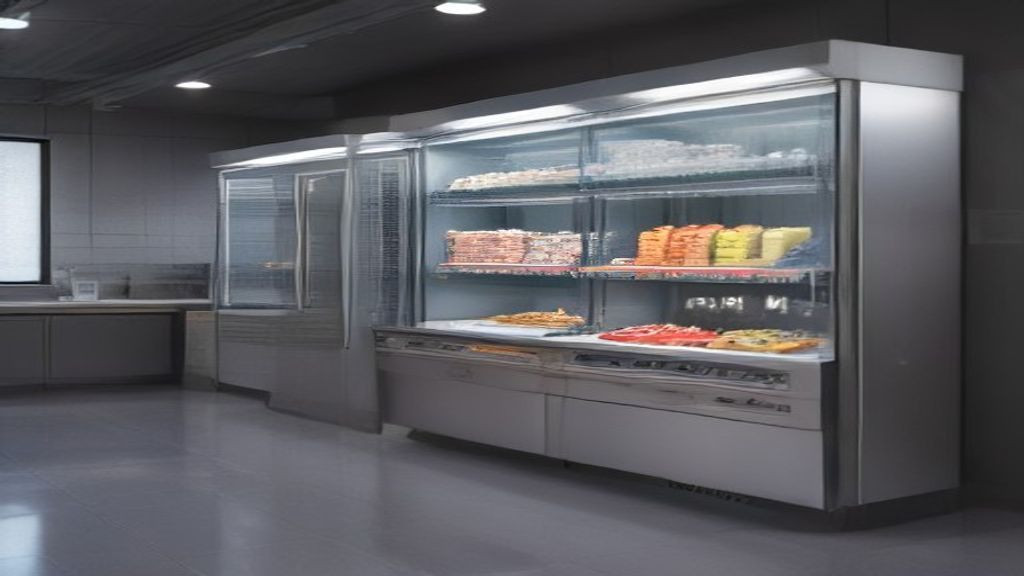
A merchandiser refrigerator earns its place when cold holding and clear product display both matter-whether that is bottled drinks at the host stand, packaged meals by the register, or a visible back-bar cooler. Focus on usable capacity, footprint, door style, recovery under real traffic, energy data, and a cleaning plan your team will actually follow.
Before you purchase, measure the space, match the unit to your menu and sales goals, and compare cut sheets side by side with your other commercial refrigeration needs. For more equipment comparisons across reach-ins, undercounters, prep tables, freezers, and ice machines, keep exploring Commercial Refrigeration Guides and shortlist models that fit both your kitchen workflow and your guest-facing space.
Looking for a ready-to-order option? Explore this Merchandiser Refrigerator on HorecaStore.


Comments
Post a Comment