Merchandiser Freezer Buying Guide for Kitchens
Merchandiser Freezer Buying Guide for Commercial Kitchens
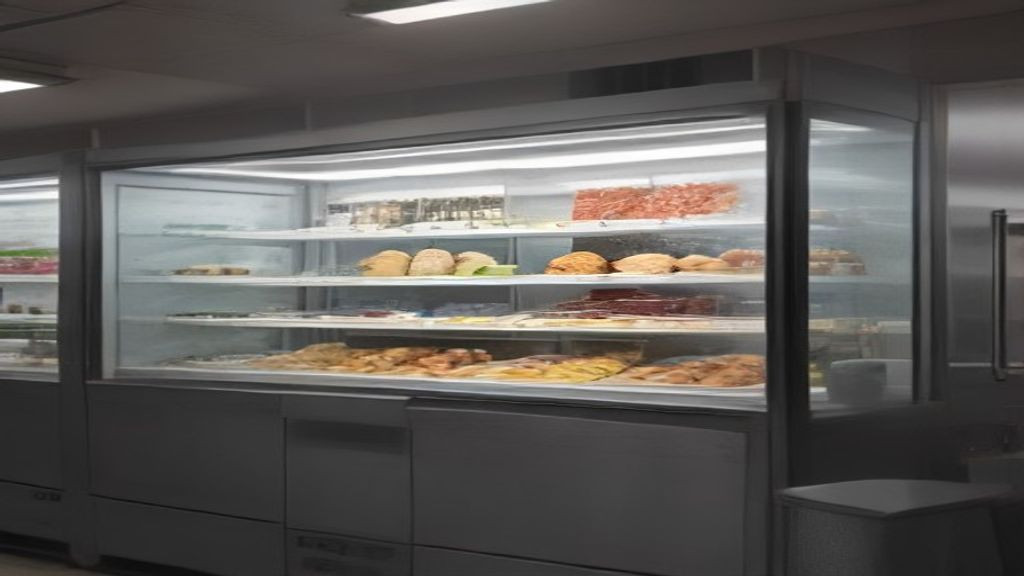
A merchandiser freezer does more than store product-it sells it. Glass-door cases keep frozen items visible, organized, and within reach for staff or self-serve customers, which is why restaurants, cafés, and convenience-style counters rely on them for ice cream, frozen desserts, packaged meals, and grab-and-go stock. For more background, see Learn more about Merchandiser Freezer.
If you are comparing commercial refrigeration equipment, a merchandiser freezer sits alongside reach-ins, undercounters, chef bases, prep tables, and walk-ins-but it solves a different job. You need clear product visibility, stable frozen temperatures under door openings, and a footprint that fits your front-of-house or back-bar layout without blocking traffic.
This guide from Commercial Refrigeration Guides walks through what to evaluate before you buy: capacity planning, doors versus drawers, temperature recovery, energy use, cleaning access, and installation realities that affect day-to-day service.
What a Merchandiser Freezer Is Best Used For
A merchandiser freezer is a glass-front frozen display cabinet designed for high visibility and frequent access. Unlike a solid-door reach-in freezer focused on bulk storage, a merchandiser prioritizes product presentation, labeled shelves, and quick grabs during rushes.
Common restaurant uses include ice cream and novelty desserts near the register, frozen beverages and desserts in cafés, packaged takeout meals in ghost-kitchen pickup zones, and backup frozen sides or desserts in bar or server areas. Match the cabinet style to whether guests will self-serve or only staff will open doors.
Merchandiser Freezer vs Reach-In Freezer
Choose a merchandiser freezer when visibility and impulse sales matter. Choose a solid-door reach-in when you need maximum storage density, lower ambient heat load from glass, and less customer-facing presentation. Many kitchens use both: a merchandiser up front and a reach-in or walk-in for bulk inventory.
Where It Fits in Your Equipment Mix
Plan the merchandiser as part of your full cold chain. Undercounters and chef bases free prep line space; ice machines and bar coolers support beverage service; walk-ins hold case packs. The merchandiser should hold only what you sell or plate quickly so doors stay closed longer and temperatures stay stable.
Capacity, Footprint, and Door Configuration
Start with menu volume, not catalog size alone. Estimate peak-period pulls, portion sizes, and restock frequency, then size for that working inventory plus a modest buffer. Overbuying creates empty shelves that look sparse; underbuying forces overcrowding and poor airflow.
Measure the install zone carefully: width, depth, height under soffits, door swing clearance, and aisle width for carts. Confirm whether the unit needs rear or side ventilation clearance, and leave space for cleaning behind or beside the cabinet if your model requires it.
Doors vs Drawers and Single vs Multi-Section
Most merchandiser freezers use hinged or sliding glass doors. Sliding doors can save aisle space in tight corridors; hinged doors often seal tightly and may feel more familiar for staff. Drawer-style frozen merchandisers are less common for tall glass display but can appear in low-profile counter formats-verify product height clearance before choosing drawers for tall packaging. Multi-section units help separate flavors or SKUs, which reduces hunting with the door open.
Shelving, Lighting, and Product Height
Adjustable shelves should fit your tallest packaged product without blocking the glass sightline. LED lighting improves color and label readability, but keep packaging clear of vents and evaporator outlets. Leave gaps between cases for airflow; packed shelves slow recovery after door openings.
Temperature Performance, Energy Use, and Reliability
Frozen merchandisers must hold product safely through rushes. Ask how the unit recovers after repeated door openings, whether it has a clear setpoint range for frozen foods, and how defrost is handled so frost does not reduce airflow or glass clarity.
Energy use rises with glass area, ambient kitchen heat, door openings, dirty condensers, and poor ventilation. Place the cabinet away from fryers, ovens, dishwashers, and direct sun when possible. A cooler ambient load usually means more stable temperatures and lower operating cost.
Temp Recovery and Defrost Basics
During service, expect brief temperature swings when doors open. Good practice is staged restocking, quick picks, and closing doors fully every time. Follow the manufacturer's defrost guidance; skipped maintenance and blocked returns are common causes of soft product and iced coils.
Energy Habits That Actually Help
Keep condenser coils clean on the recommended schedule, confirm door gaskets seal without gaps, and avoid blocking intake or discharge grilles with boxes. If your utility offers commercial kitchen efficiency incentives, check whether glass-door frozen merchandisers qualify before you purchase.
Cleaning, Installation, and Daily Operations
Plan cleaning access on day one. Glass needs regular wipe-downs for fingerprints and product splash; interior walls and shelves need scheduled washes compatible with food-contact surfaces. Exterior vents and condenser areas need dust removal so the refrigeration system does not work harder than necessary.
Installation is not just plugging in. Confirm electrical requirements, dedicated circuit needs, leveling on uneven floors, condensate handling, and whether the model is built for front-of-house ambient conditions. If you move a unit from a cold storage room to a hot kitchen line, expect different performance and possibly different clearance needs.
Installation Checklist Before Delivery
Verify pathway width for delivery, finished flooring protection, final placement dimensions, power location, and ventilation clearances from the spec sheet. Train staff on door discipline, stock rotation (FIFO), and what frost patterns mean so small issues are caught before product quality drops.
Cleaning Routine That Protects Uptime
Assign daily glass and handle cleaning, weekly interior wipe-downs, and periodic condenser maintenance per the manufacturer. Replace worn gaskets promptly; a leaking door seal is one of the fastest ways to raise energy use and soften top-shelf product.
Frequently Asked Questions
What temperature should a merchandiser freezer hold?
Follow your food safety program and the manufacturer's rated frozen range. In practice, keep product solidly frozen under normal door openings, and use a calibrated thermometer to verify cabinet and product temperatures during peak service-not only the display readout.
Is a glass-door merchandiser freezer less efficient than a solid-door reach-in?
Glass doors typically face a higher heat load than solid doors, especially in warm kitchens with frequent openings. You can still run them efficiently by placing them wisely, keeping coils and gaskets maintained, avoiding overpacking, and choosing an appropriately sized cabinet for your real inventory needs.
How do I size capacity for a restaurant merchandiser freezer?
Size to peak selling periods and restock cycles. Count the SKUs you must display, their case footprint on shelves, and how often you can replenish from a walk-in or reach-in. Prioritize selling stock in the merchandiser and bulk storage elsewhere.
Can I put a merchandiser freezer next to cooking equipment?
It is usually a poor placement. Heat, grease, and restricted airflow raise energy use and make temperature recovery harder. Give the unit the clearances in the install guide and keep it away from ovens, fryers, and dishwasher exhaust when your layout allows.
Do sliding glass doors work better than hinged doors?
Sliding doors can reduce aisle intrusion in narrow spaces. Hinged doors can offer a familiar swing and a strong seal when gaskets are in good condition. Choose based on corridor width, traffic patterns, and how staff actually open the cabinet during rushes.
What maintenance matters most after purchase?
Clean condensers on schedule, inspect and replace worn door gaskets, keep vents unobstructed, manage frost and defrost per the manual, and train staff to close doors fully. Those habits protect both product quality and operating cost.
Conclusion
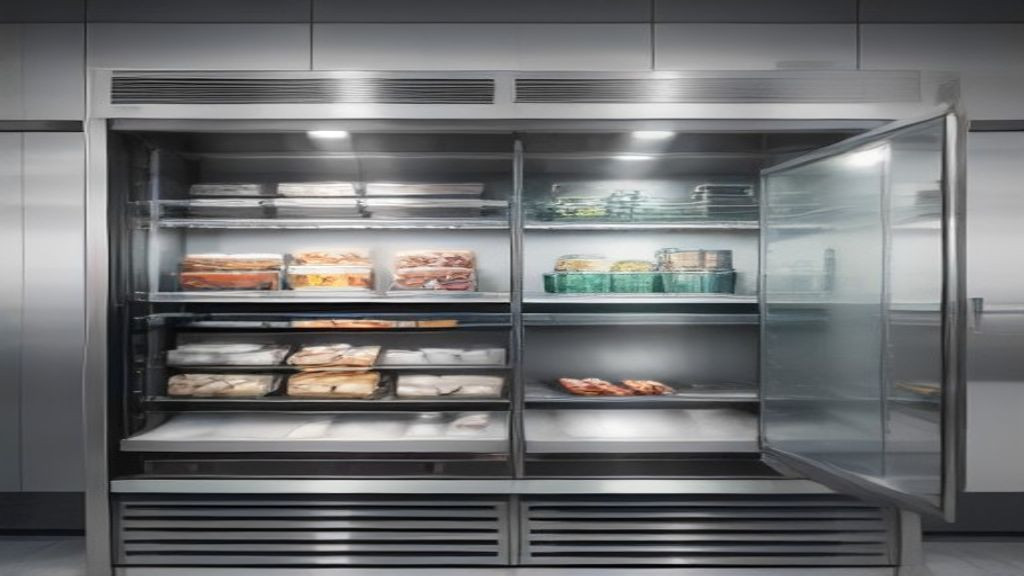
A merchandiser freezer is a visibility-first frozen cabinet. When you match capacity and footprint to real menu demand, choose a door style that fits your aisle, and protect temperature recovery with smart placement and maintenance, it becomes a reliable sales and service tool-not just another cold box.
Before you buy, compare your shortlist against reach-ins and walk-in storage so each unit has a clear job. Measure the site, confirm utilities and clearances, and align cleaning routines with your kitchen schedule. For more practical equipment comparisons across commercial refrigeration, keep exploring guides from Commercial Refrigeration Guides.
Looking for a ready-to-order option? Explore this Merchandiser Freezer on HorecaStore.


Comments
Post a Comment