Ice Merchandiser Buying Guide for Foodservice
Ice Merchandiser Buying Guide for Restaurants and Kitchens
An ice merchandiser keeps bagged or bulk ice cold, visible, and ready for sale or service without tying up your main freezer space. For restaurants, bars, c-stores, and catering kitchens, the right unit protects ice quality while making grab-and-go access fast for staff or customers. For more background, see Learn more about Ice Merchandiser.
Choosing well means matching capacity and footprint to peak demand, understanding door styles and temperature recovery, and planning for energy use, cleaning, and installation. This guide from Commercial Refrigeration Guides walks through what buyers and kitchen managers should compare before they buy.
Use it alongside your broader refrigeration plan-reach-ins, undercounters, ice machines, and walk-ins-so your ice merchandiser supports service instead of creating bottlenecks.
What an Ice Merchandiser Does and Who Needs One
An ice merchandiser is a refrigerated cabinet designed to hold and display ice-typically bagged ice for retail, or bulk ice for back-of-house staging. Unlike a standard reach-in freezer used for food, it is built for high-visibility storage, frequent door openings, and quick restocking.
Restaurant owners and kitchen managers usually need one when ice demand spikes during service, outdoor events, or takeout peaks, or when they sell bagged ice as a retail add-on. Buyers comparing commercial refrigeration should treat the ice merchandiser as part of the ice workflow: production (ice machine), storage (bin or merchandiser), and dispensing or bagging.
Ice merchandiser vs. ice bin vs. freezer
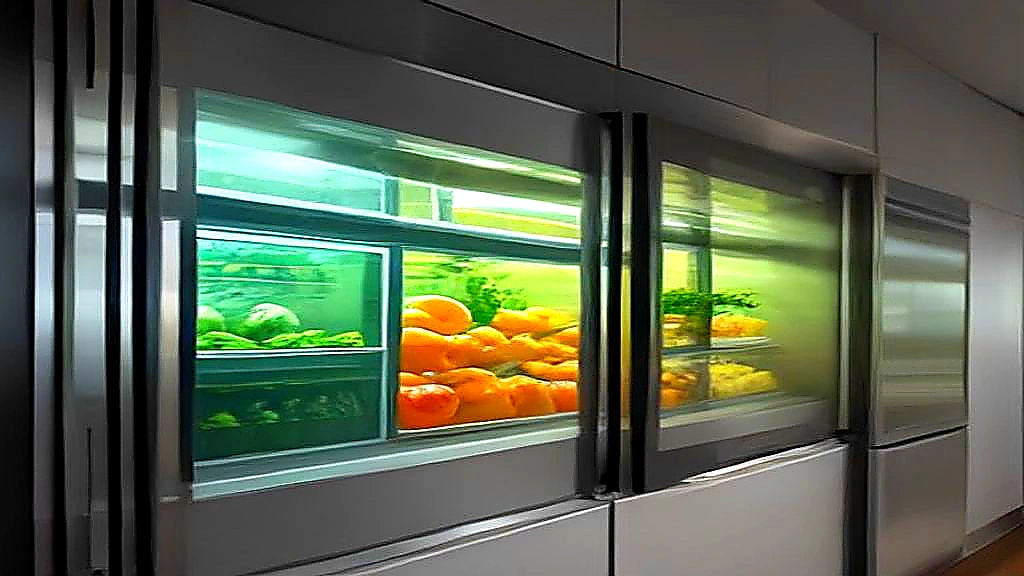
An ice machine bin stores freshly made ice for scooping into drinks or pans. A freezer stores frozen food and is not ideal as primary ice retail storage because of food odor transfer and different access patterns. An ice merchandiser sits between those roles: it keeps ice cold and organized for sale or staged use, often with glass or clear doors so stock levels are easy to check.
When bagged ice sales justify the footprint
If you already bag ice or buy bagged ice wholesale, a dedicated ice merchandiser can free freezer space and reduce product mix-ups. Calculate weekly bag volume, peak weekend demand, and how often staff or customers open the doors. High open rates favor models with strong temperature recovery and clear merchandising sight lines.
Capacity, Footprint, and Door Configuration
Start with how much ice you need on the busiest day, not the average day. Capacity is usually discussed in bag counts or cubic feet of storage; match that to delivery cadence and production rate from your ice machine so you are not overbuying floor space.
Footprint matters in tight kitchens and front-of-house corners. Measure clearances for door swing, aisle traffic, and NSF or local health requirements for placement. Confirm electrical location and condensate or drain needs before you lock in a model.
Doors vs. drawers and access patterns
Most ice merchandisers use hinged or sliding doors rather than drawers. Hinged doors are common and familiar; sliding glass doors can save aisle space in narrow corridors. Drawers are uncommon for bagged ice because bags stack better on shelves or floors of the cabinet. Prioritize doors that seal well, open fully for restocking, and keep glass clear so staff can see remaining inventory without repeated opens.
Temperature recovery during busy service
Frequent openings warm the cabinet. Look for units designed for commercial duty with adequate refrigeration capacity for your climate and traffic. Ask vendors about recommended setpoints for bagged ice storage, ambient operating range, and how long the unit takes to pull back down after restocking. Poor recovery leads to soft bags, clumping, and melt that creates slip hazards and waste.
Energy Use, Cleaning, and Installation Essentials
Energy cost adds up when a merchandiser runs 24/7. Compare ENERGY STAR or manufacturer efficiency claims where available, confirm voltage and amperage against your panel capacity, and place the unit away from ovens, fryers, and direct sun so the compressor is not fighting heat load.
Cleaning protects ice quality and appearance. Plan for routine wipe-downs of doors, gaskets, shelves, and floors of the cabinet; remove broken bags promptly; and follow the maker's guidance for condenser coil cleaning so airflow stays strong.
Installation checklist for kitchen managers
Confirm level flooring, required clearances for ventilation, door swing that will not block exits or fire paths, and whether the unit needs a drain or is self-contained. Verify plug type and dedicated circuit needs. Train staff on first fill, bag stacking to avoid crushing, and what to do if ice softens-usually reduce openings, check the door seal, and call service if recovery stays slow.
Maintenance that extends equipment life
Inspect door gaskets for tears, keep vents unobstructed, and schedule periodic professional checks on refrigerant performance and thermostat accuracy. Replace damaged shelves or liners before sharp edges tear bags. Document cleaning and service dates the same way you would for reach-ins, prep tables, and walk-ins so warranty and health inspections stay straightforward.
How to Compare Models Before You Buy
Build a short comparison sheet: storage capacity, exterior dimensions, door style, glass vs. solid options, ambient rating, electrical requirements, warranty length, parts availability, and total cost of ownership including estimated energy use.
Involve both the buyer and the kitchen manager. Buyers focus on price, warranty, and vendor support; managers focus on restocking speed, cleaning access, and whether the unit fits the real traffic path from ice machine to merchandiser to service line or retail floor.
Fit the ice merchandiser into your refrigeration lineup
Place the unit where ice moves in a short path from production or delivery. Avoid sandwiching it between heat-producing equipment. If you also run bar coolers, chef bases, or undercounters nearby, plan shared aisle width so carts and bag cases can pass. Consistency in branding and labeling helps staff grab the right product under pressure.
Frequently Asked Questions
What is an ice merchandiser used for?
An ice merchandiser stores and displays bagged or bulk ice for retail sale or staged kitchen use. It keeps ice cold and visible while freeing your main food freezers for product storage.
How big of an ice merchandiser do I need?
Size it to peak-day bag volume and restock frequency, not average days. Measure available footprint, door clearances, and how often you receive or produce ice, then choose capacity with a small buffer for busy weekends.
Can I store ice in a regular commercial freezer instead?
You can temporarily, but it is usually a poor long-term plan. Food odors, mixed inventory, and different access patterns make a dedicated ice merchandiser safer for quality, organization, and customer-facing sales.
Do ice merchandisers use a lot of energy?
They run continuously, so energy use is ongoing. Efficiency depends on insulation, door seals, ambient heat, and how often doors open. Compare manufacturer energy data, keep coils clean, and avoid hot placement to control cost.
What should I check during installation?
Confirm level placement, ventilation clearances, electrical match, door swing, and any drain requirements. Train staff on stacking bags, gasket care, and when to call service if temperatures drift.
How often should I clean an ice merchandiser?
Wipe spills and remove broken bags daily or as needed. Clean gaskets, glass, and interior surfaces on a set weekly schedule, and clean condenser coils per the manufacturer's maintenance interval to protect cooling performance.
Conclusion
A well-chosen ice merchandiser protects ice quality, speeds restocking, and can support bagged ice sales without crowding your food freezers. Focus on real peak capacity, footprint and door access, temperature recovery, energy and cleaning demands, and a clean install path.
Next, list your peak ice needs and available space, then compare two or three commercial models side by side with your ice machine and storage workflow. Commercial Refrigeration Guides recommends treating the ice merchandiser as a working link in your full refrigeration lineup-not an afterthought.
Looking for a ready-to-order option? Explore this Ice Merchandiser on HorecaStore.


Comments
Post a Comment