Ice Machine Buying Guide for Commercial Kitchens
Ice Machine Buying Guide for Busy Commercial Kitchens
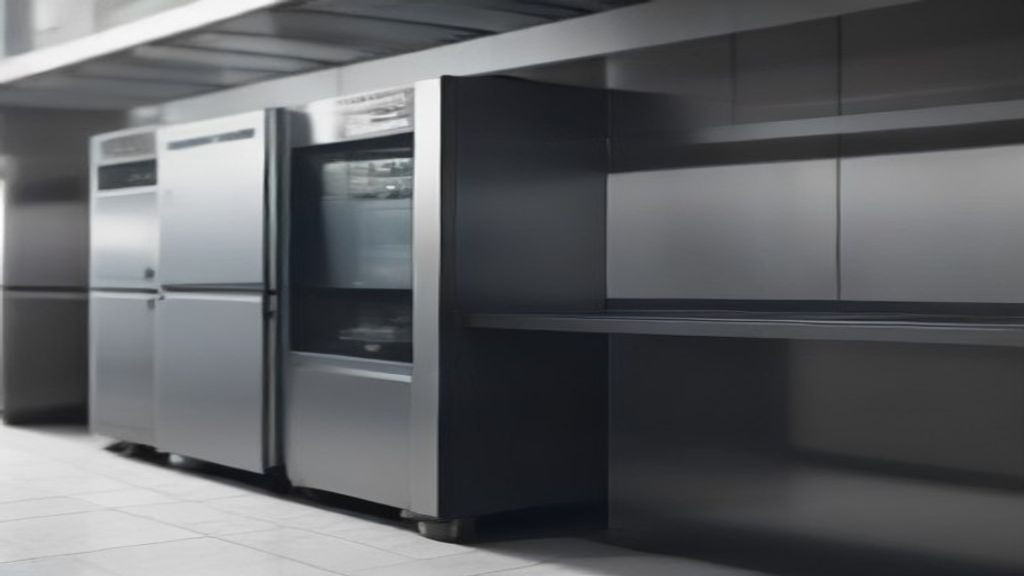
Choosing the right ice machine is one of the highest-impact equipment decisions a restaurant or bar can make. Ice touches nearly every service-from cold drinks and seafood displays to batch prep and catering-so under-sizing, poor placement, or the wrong ice style quickly shows up as slow ticket times and frustrated guests. For more background, see Learn more about Ice Machine.
This guide from Commercial Refrigeration Guides walks kitchen managers and buyers through practical ice machine decisions: production capacity, storage, footprint, air vs. water cooling, installation clearances, energy use, and cleaning routines. The goal is simple: match the machine to your menu, peak volume, and available utilities-not a catalog claim alone.
Use the sections below as a checklist when comparing cube, nugget, flake, and modular systems alongside your reach-ins, undercounters, prep tables, and bar coolers.
Match Ice Machine Capacity to Real Peak Demand
Start with peak-hour demand, not a daily average. Count drinks that need ice, dishes that require ice baths, and any display or catering use during your busiest window. Then add a buffer for warm weather, events, and recovery after busy rushes when the bin runs low.
Manufacturers publish 24-hour production ratings under controlled lab conditions. In a hot kitchen with frequent door openings and limited airflow, real output is often lower. Plan storage as carefully as production: a high-output head with a small bin can still leave you short mid-service.
Cube, nugget, flake, and specialty ice
Hard cubes melt slowly and suit cocktails and soft drinks. Nugget or chewable ice is popular for soft drinks and healthcare-style beverages. Flake ice works well for seafood, produce displays, and blended drinks. Choose ice form for the menu first, then size the ice machine around that format.
Self-contained vs. modular systems
Undercounter and self-contained units combine maker and bin in one footprint and suit bars, satellite stations, and tight kitchens. Modular (head-only) machines sit on a separate bin or dispenser and scale better for high-volume restaurants, hotels, and banquet operations.
Footprint, Clearance, and Installation Constraints
Measure the install space before you shop: width, depth, height, door swing, and the path into the building. An ice machine that fits on paper can still fail inspection or service access if condenser airflow, drain slope, or utility connections are ignored.
Confirm water quality needs, drain type (gravity vs. pump), and electrical circuit capacity with your installer. Hard water shortens scale-related downtime; filtration and periodic descaling should be part of the ownership plan from day one.
Air-cooled vs. water-cooled condensers
Air-cooled ice machines are common and avoid continuous condenser water use, but they need clear intake and exhaust space and suffer in hot, poorly ventilated rooms. Water-cooled models can help in hot mechanical spaces where code and water costs allow, but they add utility complexity and ongoing water consumption.
Placement next to other refrigeration
Do not pack an ice machine tightly against fryers, ovens, or heat-rejecting refrigeration without evaluating ambient temperature. High ambient air slows harvest cycles and raises energy use. Leave manufacturer-recommended clearances and keep intakes clean so temp recovery and production stay consistent during service.
Energy Use, Cleaning, and Daily Ownership Costs
Purchase price is only part of ice machine ownership. Energy, water, filters, cleaner, labor minutes for wipe-downs, and downtime during descaling all affect cost per pound of ice. ENERGY STAR-rated commercial ice machines can reduce electricity use when the model fits your ice type and capacity needs.
Sanitation is non-negotiable. Ice is a food product: dirty bins, scoops stored in the ice, and neglected evaporator surfaces create contamination risk and off tastes. Build a written schedule for daily bin cleaning, scoop hygiene, and manufacturer-guided periodic sanitizing and descaling.
What to inspect on demos and quotes
Ask for rated production at a stated ambient and water temperature, bin storage volume, exterior dimensions with clearance notes, filter recommendations, warranty terms on the evaporator and compressor, and estimated clean cycle intervals. Compare apples to apples across brands rather than relying on a single headline capacity number.
Service access and spare parts
Prefer models your local technician already supports. Fast access to panels, condensers, and water circuits reduces labor hours. Keep scoop holders, bin liners if used, and approved cleaner/sanitizer on hand so staff can follow the cleaning plan without improvising.
How an Ice Machine Fits Your Broader Cold Line
Treat the ice machine as part of the same refrigeration plan as reach-ins, undercounters, chef bases, prep tables, merchandisers, walk-ins, and bar coolers. Shared electrical loads, condensate drainage, and crowded condenser airflow affect the whole line, not just one box.
If you are renovating a bar or expo station, plan ice storage near point of use so staff are not hauling bins across hot zones. For high-volume beverage programs, consider a dispenser or larger bin so the ice machine can run recovery cycles without starving the rail.
Buyer checklist before you order
Confirm ice style, peak pounds needed, bin size, cooling method, utilities, filtration, footprint and clearances, cleaning plan, and who will install and warrant the unit. When those answers are written down, comparing commercial ice machine quotes becomes much clearer.
Frequently Asked Questions
How do I size a commercial ice machine for a restaurant?
Estimate ice needed during your busiest hours for drinks, prep, and displays, then choose production and bin storage that cover that peak with a buffer. Use manufacturer ratings as a starting point and adjust for hot kitchens and limited airflow, which often reduce real-world output.
What is the difference between a modular ice machine and an undercounter unit?
An undercounter or self-contained ice machine combines production and storage in one compact cabinet for bars and small stations. A modular ice machine is a production head that sits on a separate bin or dispenser and is better for higher volume and flexible storage capacity.
Does ice machine placement affect performance?
Yes. Restricted airflow, high ambient heat, and tight clearances slow harvest cycles, raise energy use, and can cause short cycling or shutdowns. Follow clearance guidelines and avoid placing the unit beside major heat sources whenever possible.
How often should a commercial ice machine be cleaned?
Wipe and sanitize the bin and scoop area on a frequent daily or shift schedule as required by your food-safety plan, and follow the manufacturer's intervals for full machine cleaning and descaling. Hard water and heavy use usually mean more frequent descaling and filter changes.
Are ENERGY STAR ice machines worth it for restaurants?
When the ice type and capacity match your needs, ENERGY STAR-qualified commercial ice machines can lower electricity use over the life of the unit. Compare energy claims alongside water use, service support, and real capacity-not efficiency alone.
What utilities does an ice machine typically need?
Most commercial ice machines need a dedicated electrical circuit, a potable water supply, and a drain (gravity or pump-assisted). Many locations also need filtration. Confirm voltage, amperage, water pressure, and drain requirements before purchase and installation.
Conclusion
The right ice machine protects drink quality, ticket speed, and food safety as much as any reach-in or prep table on your line. Size for peak demand, respect footprint and clearances, choose the ice style your menu needs, and budget for filtration, cleaning, and service-not just the sticker price.
If you are comparing quotes now, write down capacity, bin size, cooling method, utilities, and cleaning requirements side by side. Commercial Refrigeration Guides recommends validating those details with your installer and service partner before you buy, so your ice machine supports service instead of slowing it down.
Looking for a ready-to-order option? Explore this Ice Machine on HorecaStore.


Comments
Post a Comment