Glass Door Merchandising Freezer Buying Guide
Glass Door Merchandising Freezer: A Practical Buying Guide
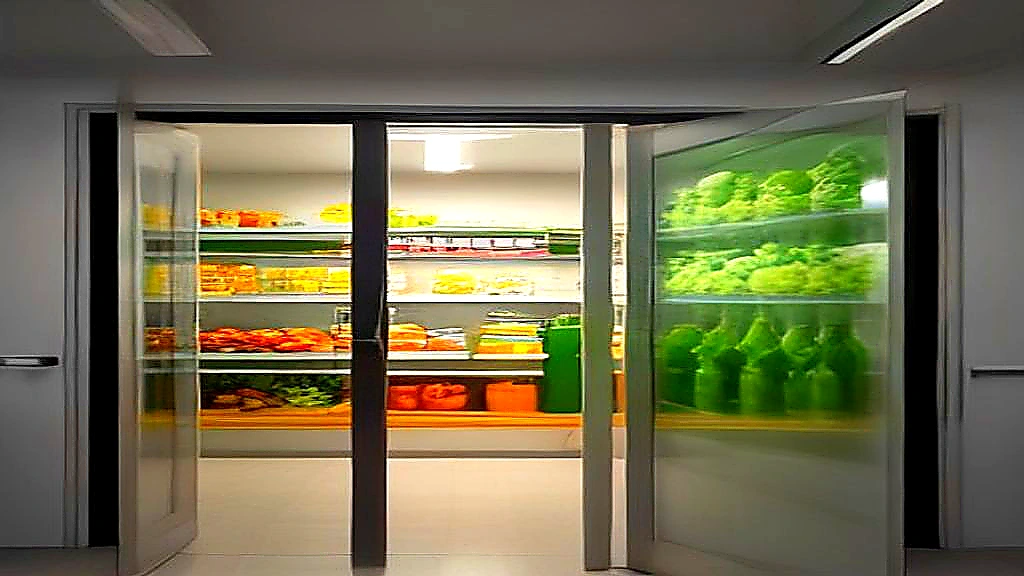
A glass door merchandising freezer puts frozen product where customers and staff can see it, including ice cream, desserts, packaged meals, or backup ingredients, without opening a solid door every time. For restaurant owners, kitchen managers, and buyers, the right unit balances display appeal with reliable holding temperatures and easy service. For more background, see Learn more about Glass Door Merchandising Freezer.
Unlike a back-of-house reach-in, a glass door merchandising freezer is built for visibility and frequent access. That changes how you evaluate capacity, door count, footprint, energy use, and how quickly the cabinet recovers after busy rushes.
This guide covers what to compare before you buy, how these freezers fit with reach-ins, prep tables, and walk-ins, and which installation and cleaning habits keep performance steady.
What a Glass Door Merchandising Freezer Is Best For
A glass door merchandising freezer holds and displays frozen goods while keeping product visible through insulated glass. Typical uses include front-of-house ice cream and novelty sales, grab-and-go frozen items near checkout, or kitchen staging where staff need to find SKUs quickly without digging through opaque cabinets.
It sits in the same equipment family as solid-door reach-in freezers and open display freezers, but sealed glass doors reduce cold air loss compared with open cases while still supporting impulse visibility. Match the unit to traffic: guest-facing merchandising versus staff-only picking will drive door style, lighting, and shelving needs.
Front-of-house display vs. kitchen staging
Guest-facing placements prioritize clear sightlines, even lighting, and a clean cabinet exterior. Kitchen staging units prioritize durable shelves, easy-to-read labels, and strong temperature recovery when doors open often during prep or service.
How it compares to reach-ins and open freezers
Solid-door reach-ins usually cost less to run for similar storage volume because they lose less heat through glass. Open freezers maximize grab-and-go speed but need more refrigeration capacity and careful placement away from HVAC drafts. A glass door merchandising freezer is the middle path when visibility matters but you still need enclosed doors.
Capacity, Footprint, and Door Configuration
Start with product mix and peak inventory, not just exterior width. Estimate how many cases or pans you need at the busiest point of the week, then add a buffer so shelves are not packed tight against the evaporator airflow path. Overloading slows recovery and can create warm spots near the door glass.
Footprint planning should include swing clearance, aisle traffic, and utility access. Measure width, depth, and height under soffits or hoods, and confirm the door swing will not block exits, POS stations, or adjacent prep tables.
Single vs. multi-door cabinets
Single-door units fit tight footprints and lower volume. Two- and three-door cabinets scale display capacity and let staff open only the section they need, which can reduce cold-air loss during picks. Choose based on SKU count and how often multiple people access the unit at once.
Doors, shelves, and loading habits
Self-closing doors with solid gaskets matter as much as rated capacity. Adjustable shelves should leave space for air to move front to back. Avoid stacking product against the glass or blocking return air grilles; both habits raise energy use and risk soft product near the front of the shelf.
Temperature Performance, Energy Use, and Daily Care
Merchandising freezers work harder than solid-door storage freezers because glass conducts more heat and lights add load. Look for strong temperature recovery after door openings, reliable defrost control, and clear manufacturer guidance on setpoint ranges for your product type. Verify the cabinet is intended for frozen holding, not refrigerated merchandising only.
Energy use depends on ambient kitchen temperature, door-open frequency, lighting, and how full the cabinet is. Place the unit away from fryers, ovens, west-facing windows, and strong HVAC supply vents. Leave manufacturer-recommended clearance around condenser intakes so the system can reject heat.
Installation and utility checks
Confirm voltage, plug type, and dedicated circuit requirements before delivery. Level the cabinet so doors seal evenly. If the unit uses a remote condenser or needs condensate management beyond a standard evaporator pan, plan drain access and service clearances with your installer up front.
Cleaning that protects performance
Wipe door gaskets and glass daily so seals stay pliable and displays stay clear. Clean condenser coils on the schedule your manufacturer recommends. Dust and grease are common reasons cabinets run warm and compressors short-cycle. Defrost according to the unit design; forced scraping of evaporator coils can damage fins and void warranties.
Buying Checklist for Restaurant and Kitchen Buyers
Treat the purchase like any other commercial refrigeration decision: define the job as display or storage, confirm capacity and footprint, then score energy, service access, and warranty support. Compare total cost of ownership, including purchase price, estimated energy, coil maintenance time, and local service coverage, not sticker price alone.
Ask vendors for cut sheets, electrical specs, recommended clearances, and whether the model is rated for your ambient conditions. If you already run reach-ins, chef bases, ice machines, or walk-ins from a preferred brand family, parts and technician familiarity can shorten downtime when service is needed.
Questions to ask before you order
What frozen product temperature range is the cabinet designed to hold? How are doors hinged and can they be reversed? What is the warranty on the compressor and sealed system? Who provides local service? Those answers usually matter more than cosmetic options once the unit is on the floor.
Frequently Asked Questions
What temperature should a glass door merchandising freezer hold?
Follow the manufacturer setpoint guidance for frozen merchandising. Cabinets intended for frozen foods are designed to keep product solidly frozen under normal door-open cycles. Always verify the model is a freezer-rated merchandiser, not a cooler, and check local health-code holding requirements for the products you sell.
Are glass door merchandising freezers more expensive to run than solid-door freezers?
Often yes, because glass and interior lighting increase heat gain. You can limit the difference with good placement, intact gaskets, clean condensers, and disciplined door use. Compare energy-related claims on cut sheets and factor ambient kitchen conditions into your estimate.
How much clearance does a glass door merchandising freezer need?
Use the clearances listed on the manufacturer install sheet for the rear, sides, and top. Those gaps protect condenser airflow. Also plan door-swing and aisle space so staff and guests can open doors without blocking traffic.
Can I use a glass door merchandising freezer for long-term bulk storage?
It can hold frozen inventory, but solid-door reach-ins or walk-in freezers are usually better for deep storage because they typically lose less cold through the cabinet face and prioritize storage density over display. Use glass-door units when visibility and quick selection are the priority.
How often should I clean the condenser on a merchandising freezer?
Follow the manufacturer maintenance interval, and clean sooner in grease-heavy kitchens. A clogged condenser is one of the most common causes of warm cabinets and compressor stress. Pair coil care with daily gasket and glass cleaning.
What should I check on delivery day?
Confirm model and door configuration, inspect for shipping damage, verify the plug and circuit match the cut sheet, level the unit, and allow the recommended pull-down time before loading product. Document serial numbers for warranty registration.
Conclusion
Choosing a glass door merchandising freezer comes down to clear goals: what you need guests or staff to see, how much frozen volume you must hold at peak, and whether your space can support the electrical load and airflow the cabinet needs. Capacity, footprint, door count, temperature recovery, and maintenance access should drive the shortlist, not display lighting alone.
Review manufacturer cut sheets, measure the install location carefully, and align the unit with the rest of your refrigeration plan, including reach-ins, prep tables, walk-ins, and bar coolers. When display visibility and frozen holding both matter, a well-chosen glass door merchandising freezer earns its floor space every service.
Looking for a ready-to-order option? Explore this Glass Door Merchandising Freezer on HorecaStore.


Comments
Post a Comment