Glass Chillers and Frosters: Buyer's Guide
Glass Chillers and Frosters for Commercial Kitchens
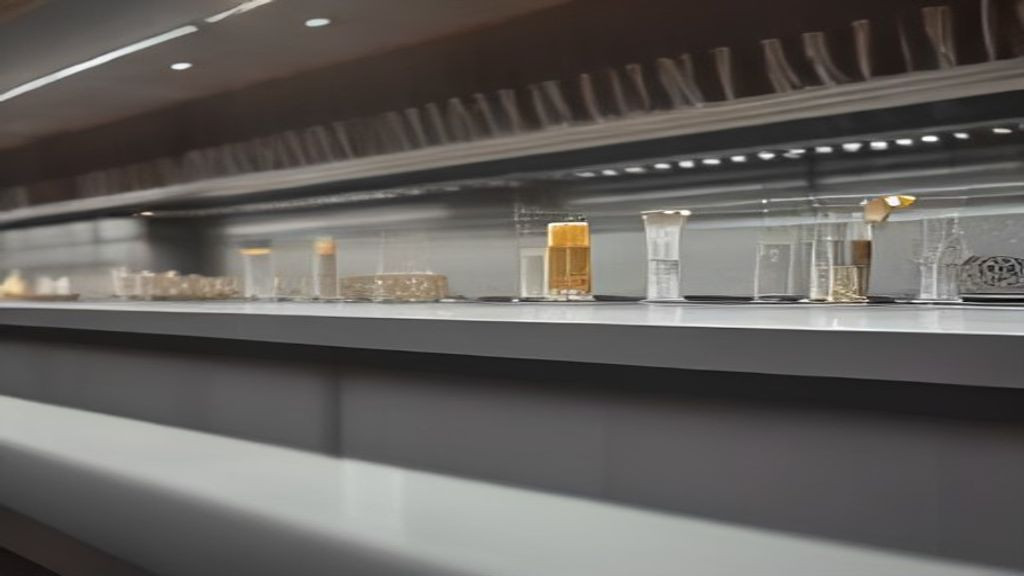
Glass chillers and frosters keep glassware cold and ready for service, so drinks stay colder longer and foam and condensation behave the way your bar expects. For restaurant owners, kitchen managers, and equipment buyers, the right unit can cut wait times at the rail and reduce the need to rush glasses through ice bins. For more background, see Learn more about Glass Chillers and Frosters.
This guide from Commercial Refrigeration Guides explains how glass chillers and frosters differ from reach-ins, undercounters, and bar coolers, and what to compare before you buy. You will find practical notes on footprint, doors versus drawers, temperature recovery, energy use, cleaning, and installation-without relying on invented model specs.
What Glass Chillers and Frosters Do in Daily Service
Glass chillers and frosters are purpose-built cabinets that hold clean glassware at a cold set point so cups, pints, and stemmed glasses are ready for pour. Unlike a merchandiser or walk-in that stores product, these units are organized around racks or shelves sized for glass stacks and quick access during rushes.
They sit closest to the pour line-often under the bar or beside a draft tower-so staff can grab a frosted glass without leaving the station. When you compare them with ice machines, prep tables, or chef bases, judge them on how fast glasses return to temperature after the door opens and how easily the interior can be sanitized between shifts.
Chiller vs. froster: temperature intent
A glass chiller typically holds glassware cold enough for service without freezing the rim or trapping moisture in a way that causes sticking. A froster aims for a colder, frost-ready finish that many draft and cocktail programs prefer for visual appeal and colder first sips. Match the unit's stated operating range to your drink menu and local health rules rather than assuming every "glass froster" runs at the same set point.
Where they fit next to other refrigeration
Bar coolers and undercounter refrigerators store bottled beer, mixers, and garnishes; glass chillers and frosters store empty glassware. Keeping those jobs separate prevents food odors from transferring to clean glasses and keeps your cold-holding plan clearer when you size reach-ins, freezers, and ice production for the same station.
How to Size Capacity, Footprint, and Access
Start with peak glass demand per hour, not average daily covers. Count how many pints, rocks glasses, and wine stems turn during your busiest 30-60 minutes, then size internal racks so you are not restocking mid-rush. Undersized cabinets force staff back to room-temperature glassware or ice dumps that waste ice and dilute drinks.
Footprint is often the real constraint. Measure clear width, depth, and height under the bar, including toe kicks, plumbing chase walls, and swing clearance for passersby. Confirm whether the unit needs rear or side ventilation and leave manufacturer-recommended airflow space so compressors do not short-cycle.
Doors vs. drawers for bar speed
Swing doors are common and usually cheaper to service, but they need aisle clearance and can block traffic when open. Sliding doors save aisle space on narrow bars. Drawer-style access can speed one-handed pulls during service, yet drawers need careful loading so tall stems do not tip and so seals stay clean. Choose the opening style that matches how your staff actually pulls glass during a rush.
Capacity without fake model numbers
Ask vendors for usable rack count, maximum glass height, and how many standard pint glasses fit on a typical shelf-not only exterior cabinet dimensions. Confirm whether shelves are adjustable, removable, and rated for wet wipe-downs. If you run multiple glass types, verify that your tallest stemware still leaves room for airflow above the rim.
Performance Factors: Recovery, Energy, and Reliability
Temperature recovery matters more than a single empty-cabinet reading. Every door open dumps cold air; a strong glass chiller or froster brings glasses back into the target range quickly so the next ticket still gets a cold vessel. During demos or site visits, ask how the unit behaves with frequent access, not only with the door closed overnight.
Energy use depends on insulation quality, door seal condition, compressor efficiency, ambient kitchen heat, and how often staff leave doors ajar. Place the cabinet away from ovens, dish machines, and direct sun when possible. Dirty condensers and blocked vents raise run time and shorten equipment life across your refrigeration lineup-the same maintenance habit you should already use on reach-ins and walk-ins.
Installation and utility checks
Confirm dedicated electrical requirements, plug type, and whether the unit is designed for built-in or freestanding placement. Level the cabinet so doors seal evenly. If condensate or drain connections are required, plan the route before the bar millwork is finished. Coordinate install timing with ice machine and undercounter work so circuits and ventilation are not fighting for the same cramped chase.
Cleaning and food-safety workflow
Only store clean, dry glassware. Moisture left on glasses can freeze into ice films that stick rims together and create chip risk. Wipe spills promptly, clean door gaskets so they stay pliable, and follow a schedule for interior wipe-downs and condenser coil cleaning. Never use the cabinet as a general freezer for food product; keep that load in freezers and reach-ins designed for it.
Buying Checklist for Restaurant Owners and Kitchen Managers
Compare warranty terms, parts availability, and local service coverage the same way you would for a prep table or merchandiser. A lower sticker price loses value if a failed door gasket or controller takes weeks to replace in your market. Ask for lead times, crate dimensions for delivery through the front door, and whether installation includes startup checks.
Build a short scorecard: peak glass count, footprint and ventilation, door or drawer style, recovery under frequent access, energy and noise expectations near guests, cleaning access, and total cost of ownership. Align the choice with your wider commercial refrigeration plan so glass chillers and frosters support-not compete with-bar coolers, ice machines, and cold storage.
Questions to ask every dealer
What ambient temperature range is assumed for rated performance? How are shelves configured for your glass mix? What is the recommended cleaning interval for coils and gaskets? Is the unit rated for built-in bar installation? What happens to recovery when doors open every few minutes during peak? Clear answers beat brochure language every time.
Frequently Asked Questions
What is the difference between glass chillers and frosters?
Both hold clean glassware cold for service. Chillers generally keep glasses cold and ready to pour, while frosters typically run colder to produce a frosted look and colder first sip. Confirm the operating range and your menu needs with the seller rather than relying on the product name alone.
Can I store bottled beer in a glass chiller or froster?
These cabinets are meant for empty glassware, not beverage merchandising. Use a bar cooler, reach-in, or merchandiser for bottled product so glass stays clean, odor-free, and organized for fast service.
How do I choose the right size for my bar?
Estimate peak hourly glass turns, then choose rack capacity and shelf height that cover that rush with a buffer. Measure the install niche carefully, including door swing, drawer pull, and required ventilation clearance.
Do glass chillers and frosters use a lot of energy?
Energy use varies with insulation, seals, ambient heat, and door-open frequency. Keep condensers clean, maintain gasket seals, avoid heat sources nearby, and train staff not to prop doors open during slow periods.
How should staff clean a glass froster safely?
Store only clean, dry glasses. Wipe interiors on a set schedule, clean door gaskets, and keep condenser coils free of dust and grease. Follow the manufacturer's guidance for defrost and never force apart glasses that are stuck together.
Where should I install glass chillers and frosters?
Place them at the pour line with enough airflow for the condenser, a level base for proper door sealing, and clear electrical service. Avoid crowding them against heat-producing equipment like dishwashers or ovens.
Conclusion
Glass chillers and frosters are a focused piece of commercial refrigeration: they protect drink quality by keeping glassware cold and accessible when the rail is busiest. Size for peak demand, respect footprint and ventilation, and prioritize recovery, cleaning access, and service support over brochure claims alone.
When you are ready to compare options, map your bar layout, glass mix, and utility constraints first, then shortlist units that fit that plan. For more practical buying help across reach-ins, undercounters, ice machines, and related equipment, keep following Commercial Refrigeration Guides.
Looking for a ready-to-order option? Explore this Glass Chillers and Frosters on HorecaStore.


Comments
Post a Comment