Countertop Merchandiser Refrigerator Buying Guide
Countertop Merchandiser Refrigerator: A Practical Buying Guide
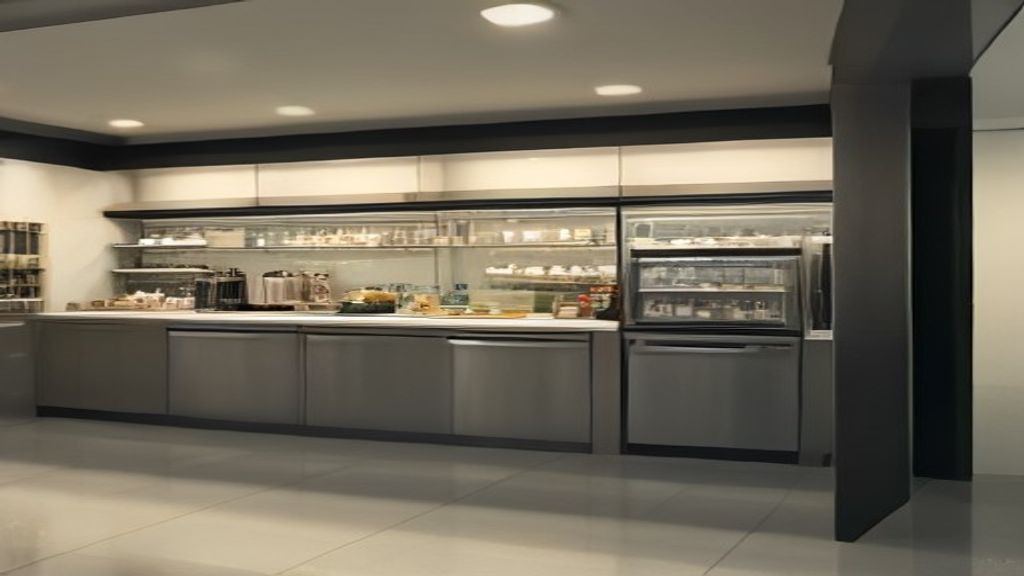
A countertop merchandiser refrigerator puts cold drinks, grab-and-go snacks, and packaged desserts within arm's reach of the register-without claiming a full reach-in's footprint. For restaurant owners, kitchen managers, and buyers comparing commercial refrigeration, this format sits between an open cooler and a larger glass-door merchandiser: compact, visible, and built for frequent door openings during service. For more background, see Learn more about Countertop Merchandiser Refrigerator.
Choosing well means matching cabinet size and door style to what you sell, how often staff restock, and how warm your front-of-house gets. Specs vary by brand and model, so treat capacity, energy ratings, and temperature claims as checklist items to verify on the cut sheet-not as one-size-fits-all numbers.
This guide from Commercial Refrigeration Guides walks through what a countertop merchandiser refrigerator does best, how to size it, what to check for energy and cleaning, and when another cabinet type is the smarter buy.
What a Countertop Merchandiser Refrigerator Is Best For
A countertop merchandiser refrigerator is a self-contained, glass-front (or glass-top) display cooler designed to sit on a counter, bar, or prep surface. Typical uses include bottled and canned beverages, yogurt, sandwiches, salads, and other prepackaged items that benefit from impulse visibility near the point of sale.
Unlike a reach-in or walk-in, the selling point is merchandising density in a small footprint: customers see product through the glass while the cabinet holds a holding temperature suited to refrigerated foods and drinks. It is not a substitute for a prep table, chef base, or blast chiller when you need cutting space, drawer storage under a cookline, or rapid pull-down of hot product.
How it differs from open coolers and full-height merchandisers
Open-air merchandisers invite browsing with no door barrier, but they usually use more energy and struggle more in drafty or warm dining rooms. Full-height glass-door merchandisers hold more SKUs and often recover better after busy rushes, yet they need floor space and clearance that a countertop unit does not. A countertop merchandiser refrigerator is the middle path: enclosed glass for better cold retention than many open designs, with a smaller install and lower capacity than a floor model.
Where it fits in a broader equipment lineup
Think of it as front-of-house support alongside reach-ins, undercounters, bar coolers, and ice machines. Back-of-house bulk storage still belongs in reach-ins or walk-ins; the countertop unit should hold a rotating face of bestsellers that turn quickly. If your menu depends on make-to-order prep, pair merchandising with a prep table or refrigerated chef base rather than overloading the display cabinet with raw ingredients.
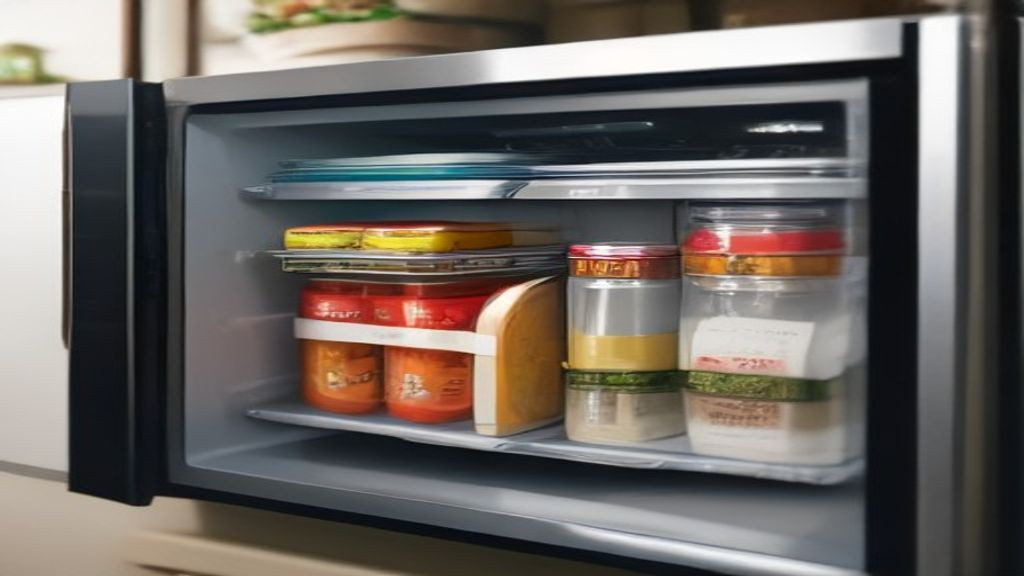
Capacity, Footprint, and Doors vs. Drawers
Start with what you need to display at peak, not just what fits on the counter. Count bottles or pans for a typical rush, then add a small buffer for restocking so the cabinet is not packed so tight that air cannot circulate. Confirm exterior width, depth, and height against the counter depth, overhang, and any overhanging shelves or POS equipment.
Most countertop merchandisers use hinged or sliding glass doors; drawers are uncommon in this category and more typical of undercounter or chef-base storage. Hinged doors often seal well and are simple to service; sliding doors can help in tight aisles where a swing would block traffic. Always check manufacturer clearances for door swing, rear condenser airflow, and side gaps so the unit is not starved of air.
Sizing tips without relying on fake specs
Ask vendors for usable interior volume, shelf count and adjustability, and the maximum package size that fits without blocking returns. Verify whether shelves are wire or solid (wire usually aids airflow), and whether lighting is LED and food-safe. If you sell tall bottles, measure shelf spacing and door opening height on the spec sheet before you order.
Temperature range and recovery under real service
Merchandisers are generally intended to hold product already at refrigerated temperature, not to cool warm cases from ambient in a hurry. Frequent door openings during lunch or happy hour raise cabinet load; look for models rated for the ambient conditions of your space (many commercial units list an intended climate class or maximum ambient). Strong door seals, adequate condenser maintenance, and not overfilling shelves all help recovery more than marketing claims alone.
Energy Use, Cleaning, and Installation Essentials
Energy use depends on door type, glass quality, lighting, ambient heat, and how often the door opens. Prefer ENERGY STAR-listed models when available for your size class, and compare kWh estimates on manufacturer literature rather than guessing. Glass-door designs typically waste less cold air than open displays in the same role, which can matter on a long service day.
Cleaning and install habits often decide whether a compact merchandiser stays reliable. Keep condenser coils clear of dust and grease; wipe door gaskets and glass daily; and follow the maker's guidance for defrost if the unit is not fully automatic. Place the cabinet on a level, sturdy counter rated for the loaded weight, with the plug on a dedicated circuit as required by the electrical rating on the nameplate.
Installation checklist for kitchens and front counters
Confirm voltage and amperage against your panel capacity, allow the specified clearance around the condenser intake and discharge, and avoid locating the unit next to ovens, dishwashers, or direct sun through storefront glass when possible. If local code or the manufacturer requires, use a surge-protected or dedicated outlet and never use an extension cord as a permanent solution. After leveling, load with pre-chilled product and verify holding temperature with a calibrated thermometer before the first service day.
Daily and weekly care that protects food safety
Spot-check holding temperature during busy periods, rotate stock FIFO, and remove damaged packaging that can drip or block drains. Weekly, inspect gaskets for tears, clean interior walls and shelves with food-safe cleaners, and check that condensate drains or pans are not overflowing. A clean condenser and sealed door do more for consistent temps than turning the thermostat colder to compensate for blocked airflow.
When to Choose Another Refrigerator Type Instead
If you need bulk backup for a full bar or high-volume beverage program, a reach-in or larger floor merchandiser usually wins on capacity and door openings per hour. For cookline mise en place, a refrigerated chef base or undercounter with drawers keeps pans under the equipment, not behind glass for guests. Prep tables suit sandwich and pizza lines where cutting boards and pan rails matter more than impulse display.
Ice machines, walk-ins, and bar coolers solve different jobs: ice production, long-term storage and receiving, and back-bar bottle organization. Use a countertop merchandiser refrigerator when visibility and a small footprint are the priority; mix equipment types rather than forcing one cabinet to do every cold-storage task.
A simple decision frame for buyers
Choose countertop merchandising when SKUs turn fast, the counter can support the weight and clearances, and guests should see product at the point of sale. Step up to a floor glass-door merchandiser or reach-in when you outgrow shelf space or ambient heat keeps defeating recovery. Document warranty terms, service network coverage, and parts availability before purchase-downtime at the register costs more than a modest upgrade in build quality.
Frequently Asked Questions
What is a countertop merchandiser refrigerator used for?
It holds and displays already-chilled beverages and packaged grab-and-go foods on a counter near guests or the register, emphasizing visibility and a small footprint rather than bulk back-of-house storage.
Can a countertop merchandiser refrigerator cool warm product quickly?
Most are holding cabinets, not blast chillers. Load with pre-refrigerated product. Rapid cooling of warm items belongs in equipment designed for pull-down; overloading a merchandiser with warm cases can raise temperatures for everything inside.
Are glass doors better than an open countertop cooler?
Glass doors generally help retain cold air and can reduce energy use versus comparable open designs, especially in warm or drafty rooms. Open coolers can feel more inviting but often need careful placement and higher energy budgets. Compare ratings and your ambient conditions.
How much clearance does installation usually need?
Follow the manufacturer's cut sheet for rear, side, and top clearances so the condenser can breathe. Also allow space for door swing or sliding travel and for safe access to the plug. Clearances vary by model-never assume zero-clearance unless the literature says so.
How do I keep energy use and temperatures under control?
Do not block return airflow with overfilled shelves, clean condenser coils on a schedule, keep gaskets sealed, use LED lighting if offered, and site the unit away from heat sources. Prefer ENERGY STAR models when they fit your size and features, and verify kWh data on the spec sheet.
When should I buy a reach-in or prep table instead?
Buy a reach-in for higher capacity and backup storage, a prep table when you need pan rails and a work surface, and a chef base or undercounter when drawers under cooking equipment matter more than guest-facing display. Use the countertop merchandiser for impulse and point-of-sale presentation.
Conclusion
A countertop merchandiser refrigerator earns its place when you need cold, visible product in a tight front-of-house footprint-without pretending it replaces reach-ins, walk-ins, or prep lines. Size to real peak demand, verify clearances and electrical needs on the manufacturer literature, and plan cleaning and condenser care into opening routines so temp recovery stays predictable during rushes.
Compare door style, usable shelf space, ambient ratings, and service support the same way you would for any commercial refrigeration purchase. For more side-by-side guidance on reach-ins, undercounters, merchandisers, and related equipment, keep exploring Commercial Refrigeration Guides before you place the next PO.
Looking for a ready-to-order option? Explore this Countertop Merchandiser Refrigerator on HorecaStore.


Comments
Post a Comment