Countertop Merchandiser Freezers Buying Guide
Countertop Merchandiser Freezers: A Practical Buying Guide
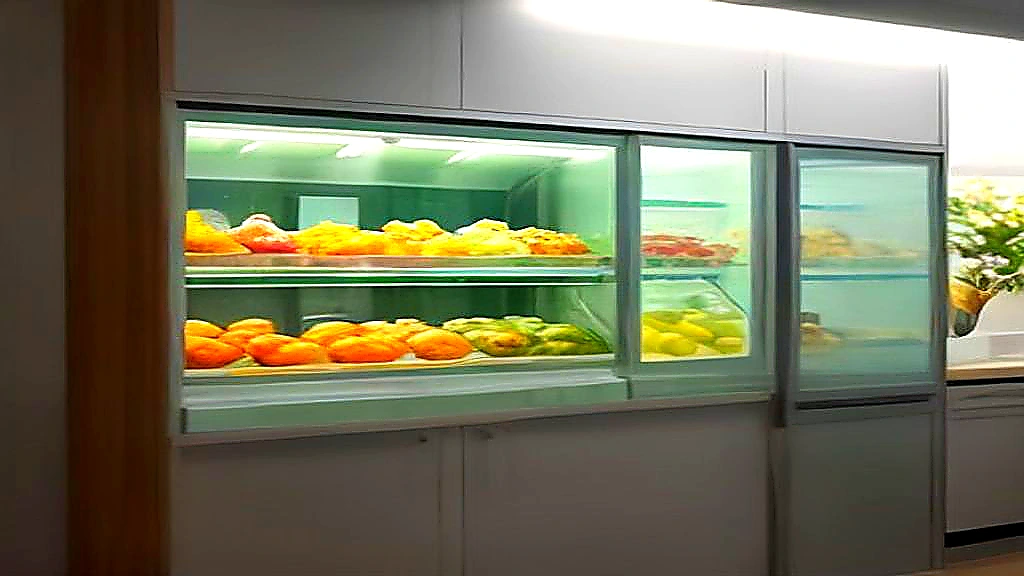
Countertop merchandiser freezers help restaurants, cafés, and convenience-style counters sell frozen impulse items without dedicating floor space to a full-size reach-in. For kitchen managers and buyers comparing commercial refrigeration equipment, these units sit between a small undercounter freezer and a floor merchandiser: compact footprint, product visibility, and frequent door openings during service. For more background, see Learn more about Countertop Merchandiser Freezers.
Choosing well means balancing display appeal with real kitchen constraints-available counter depth, electrical capacity, how often staff open the door, and how hard the unit works to recover temperature after rushes. Specs vary by brand and model, so treat capacity, energy ratings, and clearances as decision criteria rather than fixed numbers.
This guide from Commercial Refrigeration Guides walks through what to evaluate before you buy, how countertop merchandiser freezers differ from other freezer types, and what to plan for installation, cleaning, and day-to-day use.
What Countertop Merchandiser Freezers Are Best For
Countertop merchandiser freezers are designed to hold and display frozen product at eye level on a prep counter, bar, or front-of-house surface. Typical uses include ice cream novelties, frozen desserts, packaged snacks, and grab-and-go items where visibility drives sales. Glass doors or curved glass fronts let guests see product without opening the cabinet every time.
They are not a substitute for bulk storage. If you need to freeze large backstock, prep pans, or overnight inventory, pair a merchandiser with a reach-in or walk-in freezer and keep the countertop unit stocked for selling, not storing. That split keeps door openings shorter and temperature recovery more reliable during peak hours.
When a countertop unit beats a floor merchandiser
Choose a countertop model when floor space is tight, you already have a sturdy commercial counter, and sales volume is moderate. Floor merchandisers usually offer more cubic capacity and often better for high-traffic retail, but they claim aisle or dining space. Countertop units win when the goal is a small, visible frozen assortment next to the register or dessert station.
How they compare to undercounters and chef bases
Undercounter freezers and chef bases prioritize back-of-house storage and workflow-drawers for pans, solid doors for durability, and placement under prep lines. Countertop merchandiser freezers prioritize display: glass, interior lighting, and a footprint meant to sit on top of a counter rather than under it. Buyers often need both: storage below or behind the line, and merchandising where customers can see it.
Key Specs and Features to Compare
Start with the physical fit. Measure counter depth, width, and overhead clearance, then confirm the unit's exterior dimensions plus manufacturer-recommended air gaps at the back, sides, and top. Crowding the condenser intake is a common cause of warm product and short compressor life. Also confirm the counter can support the loaded weight-glass, product, and the cabinet itself add up.
Next, match capacity and shelving to your SKU mix. Think in usable display volume and shelf adjustability, not marketing slogans. Ask whether shelves are coated wire or glass, whether they tilt for face-out merchandising, and how easy they are to remove for cleaning. Door style matters: hinged glass doors are common; some designs use sliding glass. Solid doors hold temperature better but hide product, which defeats most merchandising goals.
Temperature control, recovery, and door openings
Frozen merchandisers must hold product safely through frequent openings. Look for clear temperature setpoints suited to frozen food, an easy-to-read digital or dial control, and strong recovery after doors close. In practice, recovery depends on ambient kitchen heat, how full the cabinet is, gasket condition, and how long doors stay open. Train staff to restock in batches and avoid propped-open doors during rushes. If your location is hot or the unit sits near ovens or fryers, prioritize models with adequate condenser capacity and confirm ambient operating limits in the cut sheet.
Energy use, lighting, and noise
Energy use varies with insulation, door seals, compressor efficiency, defrost strategy, and LED versus older lighting. Compare Energy Star listings when available, and ask for estimated kWh data from the manufacturer rather than guessing. LED lighting improves product appeal with less heat load than older lamps. Also check sound level expectations for front-of-house placement-some compressors are fine in a kitchen but noticeable beside a quiet dining counter.
Installation, Cleaning, and Daily Operation
Plan electrical needs early. Confirm voltage, plug type, and whether the circuit is dedicated. Avoid extension cords and shared circuits with high-draw equipment like ice machines or ovens. Level the unit so doors seal evenly; a slight tilt can leave gaps that raise energy use and frost. Leave the clearance the manufacturer specifies for ventilation, and do not push the cabinet flush against a wall if the condenser needs rear or side airflow.
Cleaning routines protect both food safety and efficiency. Wipe spills promptly, clean glass daily for visibility, and wash removable shelves on a schedule that matches your volume. Inspect door gaskets for tears or food debris that prevent a tight seal. Keep condenser coils clean per the service schedule-dust and grease are common in commercial kitchens and will raise operating temperature if ignored. Follow the maker's defrost guidance; manual and automatic systems differ, and improper defrost habits can ice up evaporators and cut airflow.
Stocking and product placement tips
Do not overload beyond the load line or block internal airflow paths. Leave space for cold air to circulate around packages, and rotate older product forward. Keep high-turn items at the easiest reach height to shorten door-open time. If you sell both hard-frozen and slightly softer novelty items, confirm the cabinet's temperature range and avoid mixing products that need meaningfully different holding conditions in one small merchandiser.
Service life and what to ask vendors
Before purchasing, ask about warranty length on the compressor and parts, availability of replacement gaskets and shelves, and whether local service techs know the brand. Request the cut sheet for dimensions, clearances, electrical requirements, refrigerant type, and operating temperature range. If you are comparing multiple countertop merchandiser freezers side by side, build a simple checklist: fit, capacity, door type, recovery in your ambient conditions, energy data, cleanability, and total cost of ownership-not just the sticker price.
Buying Checklist for Restaurant and Kitchen Buyers
Treat the purchase like any other commercial refrigeration decision in your fleet of reach-ins, undercounters, prep tables, and merchandisers. Confirm the business case: which SKUs will live in the unit, expected turns per day, and whether the merchandiser sits in view of guests or only staff. Front-of-house units need better glass care and quieter operation; back-counter units can prioritize durability and service access.
Budget for more than the cabinet. Include delivery path (doorways and stairs), possible counter reinforcement, electrical work, and a spare gasket or shelf if lead times are long. After install, log temperature checks during the first weeks of service, especially after busy periods, so you catch seal, clearance, or loading issues early.
Common buying mistakes to avoid
The most frequent mistakes are buying on exterior width alone without checking depth and ventilation clearance, using a merchandiser as bulk storage, placing the unit beside heat sources, and skipping coil cleaning until the freezer struggles. Another is choosing pure display appeal without verifying that staff can restock quickly-slow restocks mean longer open-door time and weaker temperature recovery.
Frequently Asked Questions
What is a countertop merchandiser freezer used for?
It holds and displays frozen retail or dessert items on a counter so customers can see product through glass. It is meant for selling a focused assortment, not replacing a reach-in or walk-in for bulk frozen storage.
How is a countertop merchandiser freezer different from an undercounter freezer?
Undercounter freezers sit below the work surface and usually prioritize storage with solid doors or drawers. Countertop merchandiser freezers sit on the counter and emphasize glass display, lighting, and impulse visibility.
What should I measure before buying a countertop merchandiser freezer?
Measure available width, depth, and height on the counter, then add the manufacturer's required clearance for airflow. Also confirm counter load capacity, nearby heat sources, and the exact plug, voltage, and circuit availability.
Do glass-door merchandiser freezers use more energy than solid-door freezers?
Glass doors can increase heat gain compared with solid doors, especially with frequent openings and bright lighting. Actual energy use still depends on insulation, seals, compressor efficiency, ambient temperature, and how the unit is loaded and maintained. Compare manufacturer energy data when available.
How often should I clean a countertop merchandiser freezer?
Clean glass and wipe interior spills daily or as needed for appearance and food safety. Remove and wash shelves on a regular schedule, inspect gaskets often, and clean condenser coils according to the manufacturer's guidance and how dusty or greasy your kitchen is.
Can I install a countertop merchandiser freezer next to a fryer or oven?
It is better to avoid high-heat locations. Extra ambient heat forces the compressor to work harder, slows temperature recovery, and can shorten equipment life. Follow the unit's rated ambient range and keep required clearances for ventilation.
Conclusion
Countertop merchandiser freezers earn their place when you need frozen product visibility without giving up floor space. Focus on fit, usable capacity, door and seal quality, temperature recovery under real door traffic, energy and ventilation needs, and a cleaning routine your team will actually follow.
If you are building or refreshing a commercial refrigeration lineup-reach-ins, undercounters, chef bases, ice machines, prep tables, merchandisers, or walk-ins-compare cut sheets side by side and match each cabinet to a clear job. For more practical buying guidance, keep exploring Commercial Refrigeration Guides before you place the next equipment order.
Looking for a ready-to-order option? Explore this Countertop Merchandiser Freezers on HorecaStore.
Related Products & Guides
- Countertop Merchandiser Refrigerator
- Merchandiser Refrigerator
- Combination Reach-In Refrigerators & Freezers


Comments
Post a Comment