Commercial Merchandiser Refrigerator Buying Guide
Commercial Merchandiser Refrigerator: A Practical Buying Guide
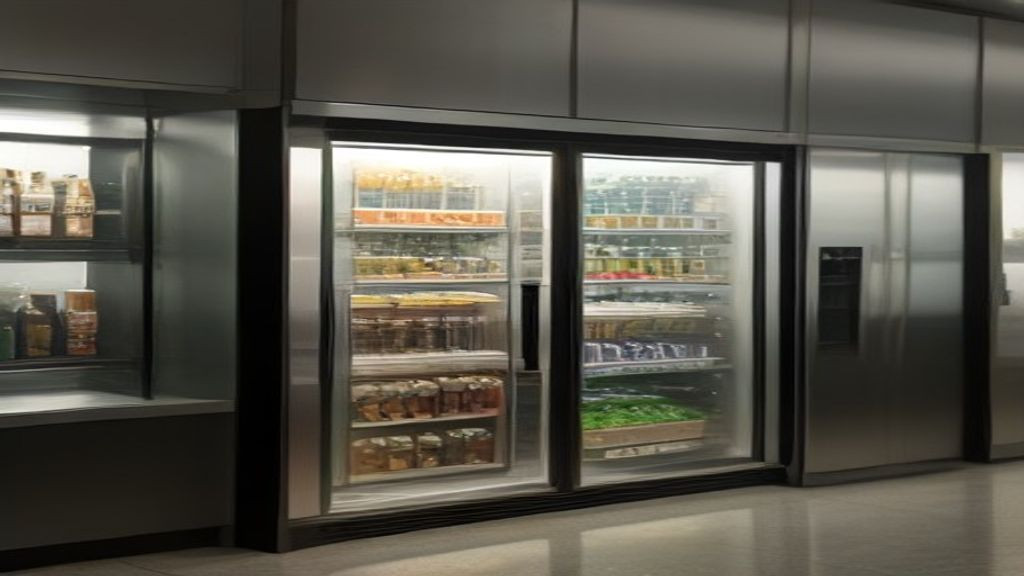
A commercial merchandiser refrigerator does more than hold cold product-it sells it. Glass doors, bright interior lighting, and a clean product display help guests choose faster while you keep beverages, dairy, grab-and-go meals, and packaged foods at safe serving temperatures. For more background, see Learn more about Commercial Merchandiser Refrigerator.
Restaurant owners, kitchen managers, and buyers often weigh merchandisers against reach-ins, undercounters, and bar coolers. The right choice depends on what you sell, how often the door opens, how much floor space you have, and how hard the unit must work during peak rushes.
This guide from Commercial Refrigeration Guides walks through capacity, footprint, doors versus drawers, temperature recovery, energy use, cleaning, and installation so you can compare a commercial merchandiser refrigerator with confidence-without relying on vague marketing claims.
What a Commercial Merchandiser Refrigerator Is Built For
A commercial merchandiser refrigerator is designed for visibility and frequent access. Unlike a solid-door reach-in meant mainly for back-of-house storage, a merchandiser puts product in front of customers or staff with glass doors, shelving that showcases labels, and lighting that keeps the case looking full and inviting.
Common uses include bottled and canned drinks, packaged salads, desserts, dairy, and grab-and-go items near the front counter, café line, or retail area. Some operators also use merchandisers in secondary service zones where speed of selection matters as much as cold holding.
Merchandiser vs. reach-in, bar cooler, and prep equipment
Reach-ins prioritize storage density and often use solid doors for better insulation. Bar coolers focus on bottles and cans in compact footprints behind the bar. Prep tables and chef bases support line work with pans or drawers. A commercial merchandiser refrigerator sits between retail display and cold storage: it must look good, open often, and still recover temperature after repeated door cycles.
Where merchandisers fit in a full cold chain
Think of merchandisers as the last cold stop before the guest. Walk-ins and large reach-ins handle bulk inventory; undercounters and prep tables support production; merchandisers present finished or ready-to-sell product. Matching each unit to its job reduces overloading any one cabinet and helps temperature stability across the kitchen.
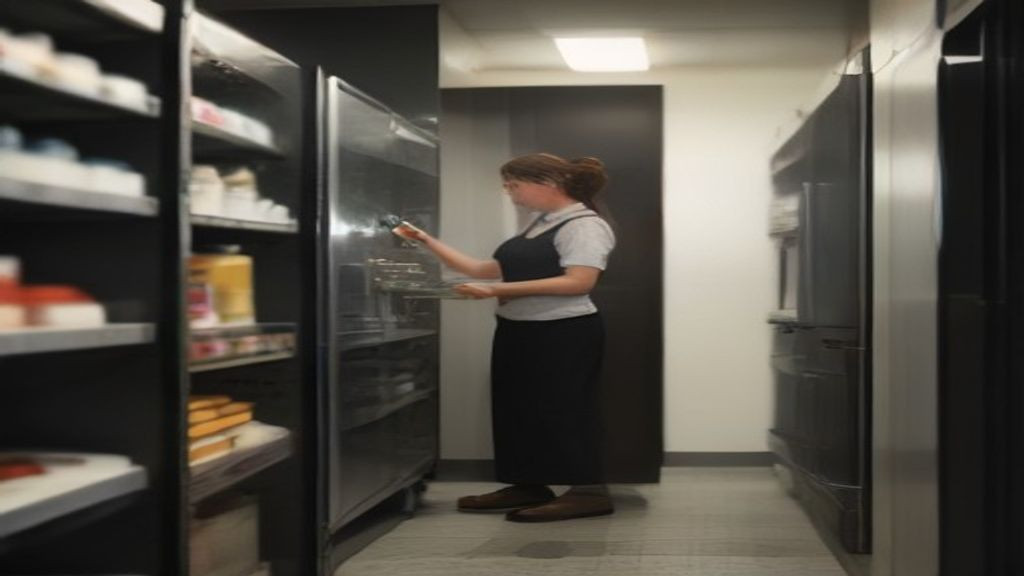
Capacity, Footprint, and Door Configuration
Capacity is usually discussed in cubic feet and by how many standard shelves or beverage facings you can stock. Bigger is not always better: an oversized case that stays half empty wastes energy and floor space, while an undersized unit will be restocked constantly and struggle when doors stay open during rushes.
Measure the install location carefully-width, depth, height, door swing, and aisle clearance. Leave space for ventilation as specified by the manufacturer, and plan for caster or leveling-leg height if the unit must roll out for cleaning. Confirm whether the door opens into a walkway or conflicts with nearby equipment.
Single-door, multi-door, and sliding glass options
Hinged glass doors are common and usually seal well when closed correctly. Multi-door cabinets increase facing capacity but also increase the chance of leaving a door ajar. Sliding glass doors can save aisle space in tight corridors, though seals and tracks need regular cleaning to stay smooth and airtight. Choose the configuration that matches traffic patterns, not just catalog capacity.
Doors vs. drawers for merchandising
Most true merchandisers use glass doors because visibility drives sales. Drawers appear more often on chef bases and some undercounter units where organization and line speed matter more than display. If your primary goal is customer-facing product presentation, prioritize a commercial merchandiser refrigerator with clear glass, adjustable shelves, and lighting rather than drawer storage.
Temperature Performance, Energy Use, and Daily Operation
Food safety and product quality depend on holding the right temperature range for your menu items and recovering quickly after door openings. During peak periods, warm ambient air enters every time staff or guests open the door. Units with strong airflow design and appropriately sized refrigeration systems recover faster; overloaded shelves that block vents slow recovery.
Energy use is influenced by door open time, ambient kitchen heat, lighting, gasket condition, and how full the cabinet is. LED lighting typically runs cooler and uses less energy than older lamp styles. Keep condenser coils clean, replace worn gaskets, and avoid placing the merchandiser next to ovens, dishwashers, or direct sun whenever possible.
Temp recovery during rushes
Watch how the unit behaves when doors open repeatedly for several minutes. If product near the front warms while the back stays cold, airflow may be blocked or the cabinet may be overfilled. Train staff to restock in batches, close doors promptly, and keep vents clear. For high-traffic beverage stations, consider a second smaller merchandiser rather than forcing one oversized unit to handle constant openings.
Cleaning, maintenance, and sanitation habits
Wipe spills promptly so sticky residue does not attract pests or foul gaskets. Clean glass inside and out for presentation, vacuum or brush condenser coils on the schedule your manufacturer recommends, and check door seals for tears or gaps. Removable shelving makes deep cleaning easier-confirm shelf adjustments before you fill the case so product weight stays evenly supported.
Installation, Utilities, and Buying Checklist
Confirm electrical requirements, plug type, and whether a dedicated circuit is needed before delivery. Verify condensate management: some units evaporate condensate automatically, while others may need a drain path depending on model and environment. Level the cabinet so doors seal evenly, then allow the manufacturer's recommended pulldown time before loading product.
When comparing quotes, look past sticker price. Factor warranty coverage, parts availability, service access in your area, expected energy use, and how easy the unit is to clean and restock. Ask vendors for real dimensions including handle and hinge clearance, not just cabinet width on a spec sheet.
A practical buyer checklist
List the products you will display, peak door-open frequency, available footprint, and whether customers or only staff will access the case. Compare capacity to actual facings you need, confirm glass type and lighting, review temperature range for your items, and plan airflow clearance. Finally, align the purchase with the rest of your lineup-reach-ins, freezers, ice machines, prep tables, and walk-ins-so cold storage roles do not overlap wastefully.
Frequently Asked Questions
What is a commercial merchandiser refrigerator used for?
It holds and displays cold products-often beverages, dairy, and grab-and-go foods-behind glass so staff or customers can see and select items quickly while the cabinet maintains safe holding temperatures.
How is a commercial merchandiser refrigerator different from a reach-in?
Merchandisers emphasize product visibility with glass doors and display lighting. Reach-ins usually prioritize back-of-house storage density and often use solid doors for insulation and less retail-style presentation.
What capacity should I choose for a commercial merchandiser refrigerator?
Size the unit to the products you actually sell and how often you restock, not the largest cubic-foot number on a brochure. Measure facings, peak demand, and floor space, and leave room for airflow and door clearance.
Do glass doors hurt temperature recovery?
Glass doors can lose cold air faster than solid doors when opened often, but a properly sized commercial merchandiser refrigerator with clear vents, good gaskets, and disciplined door use can still recover well between rushes.
What maintenance matters most for energy efficiency?
Keep condenser coils clean, replace worn door gaskets, avoid blocking internal airflow, and place the unit away from heat sources. These habits often improve efficiency and temperature stability more than minor feature upgrades.
Can I install a merchandiser tightly against a wall?
Usually not. Most units need manufacturer-specified clearance for ventilation. Blocking airflow can raise energy use, strain the compressor, and cause warm spots inside the cabinet.
Conclusion
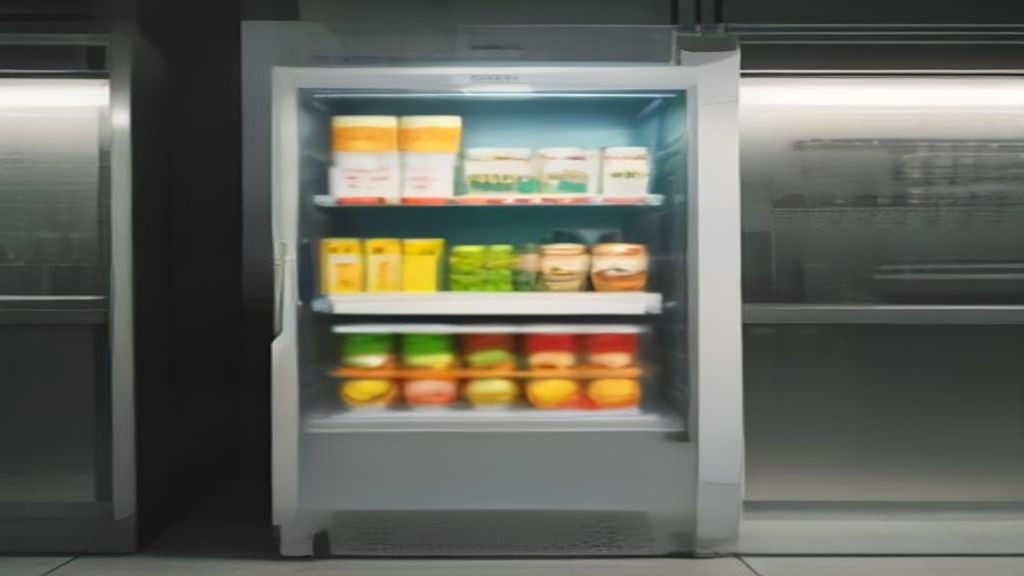
Choosing a commercial merchandiser refrigerator is a balance of display power, cold holding performance, footprint, and operating cost. Match capacity to real demand, prioritize door style and clearance for your space, and plan for cleaning and service from day one.
If you are comparing merchandisers with reach-ins, undercounters, prep tables, or bar coolers, map each unit's job in your kitchen first. For more equipment comparisons and buying checklists, explore the guides from Commercial Refrigeration Guides and build a cold storage lineup that supports both food safety and sales.
Looking for a ready-to-order option? Explore this Commercial Merchandiser Refrigerator on HorecaStore.


Comments
Post a Comment