Commercial Ice And Water Dispenser Buying Guide
Commercial Ice And Water Dispenser Buying Guide
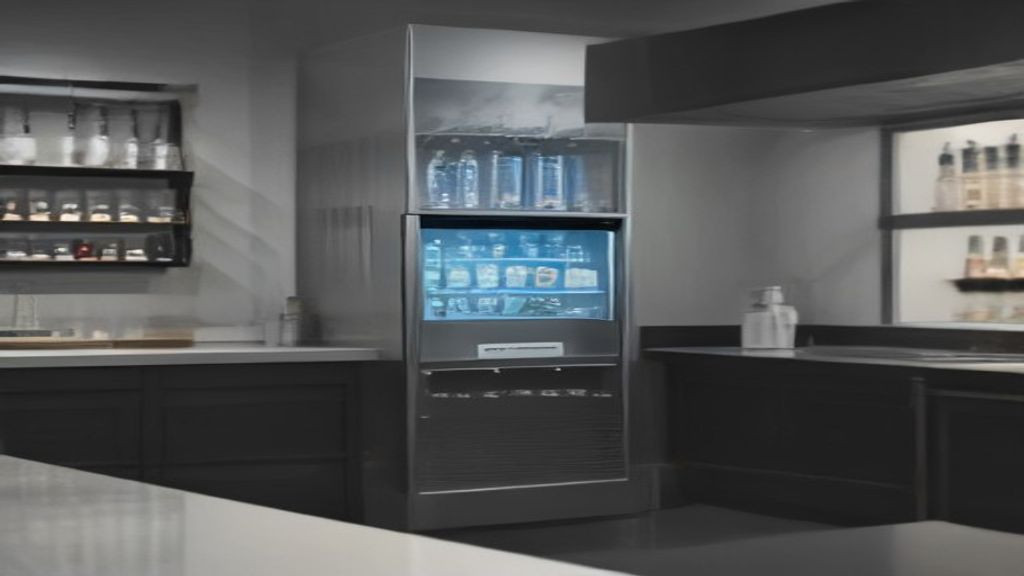
A commercial ice and water dispenser is one of those pieces of equipment that only gets noticed when it fails-during a lunch rush, a catering event, or a busy bar shift. For restaurant owners, kitchen managers, and equipment buyers, choosing the right unit means balancing ice production, water access, floor space, and daily cleaning routines. For more background, see Learn more about Commercial Ice And Water Dispenser.
Unlike a residential fridge dispenser, commercial models are built for continuous demand, tougher sanitation standards, and integration with walk-ins, ice machines, and prep lines. This guide walks through what to evaluate before you buy, without relying on made-up brand specs.
Use it as a practical checklist when comparing freestanding dispensers, countertop units, and systems that pair with your existing ice maker or refrigeration lineup.
What a Commercial Ice and Water Dispenser Must Deliver
In a commercial kitchen, an ice and water dispenser is not a convenience feature-it is a workflow tool. Staff need reliable ice for beverages, chilled water for guests and prep, and a unit that recovers quickly after peak service without clogging the aisle or the dish pit.
Focus on how the unit fits your menu, volume, and layout rather than chasing the largest capacity alone. Oversizing wastes energy and footprint; undersizing creates lines at the station and rushed workarounds with bagged ice.
Ice type, capacity, and recovery
Decide whether you need cubed, nugget, flake, or crushed ice based on beverages, seafood displays, or blended drinks. Ask vendors for production rate (pounds per day) and storage bin size, then match those numbers to your busiest day-not an average Tuesday. Temp recovery and refill speed matter as much as peak capacity: after a rush, how fast does the bin rebuild usable ice while still dispensing water cleanly?
Footprint, doors, and service access
Measure the install zone for width, depth, height, door swing, and clearance for filters, drain lines, and ventilation. Freestanding towers suit self-serve dining rooms; undercounter or countertop units free floor space in tight kitchens. Confirm whether panels, bins, and drip trays open without blocking traffic, and plan for technician access if the unit ties into a remote ice machine.
Installation, Utilities, and Kitchen Fit
A commercial ice and water dispenser depends on clean water supply, proper drain routing, and stable power. Poor installation shows up later as cloudy ice, slow fill, leaks, or bacterial risk in the water path.
Coordinate install with your plumber, electrician, and any existing refrigeration or ice-machine vendor so filtration, condensate, and electrical loads are planned together-especially if you are also specifying reach-ins, prep tables, or bar coolers nearby.
Water quality, filtration, and drains
Hard water and chlorine affect taste, scale buildup, and ice clarity. Most commercial setups need filtration suited to local water conditions, with a maintenance schedule for cartridge changes. Confirm gravity or pumped drain requirements, air gaps where codes require them, and drip-tray capacity for self-serve locations.
Power, ambient heat, and placement
Place the unit away from fryers, dishwashers, and direct sun when possible; high ambient heat reduces ice production and increases energy use. Verify voltage, dedicated circuits, and whether the dispenser shares a circuit with other refrigeration. Leave manufacturer-recommended clearances so condensers and fans can reject heat efficiently.
Energy Use, Cleaning, and Daily Operations
Operating cost is more than the purchase price. Energy use climbs when bins run empty, doors stay open, filters clog, or the unit works harder in a hot kitchen. Cleaning discipline protects guest safety and equipment life.
Train staff on a simple daily wipe-down plus scheduled deep cleans that match NSF-style sanitation expectations for ice and water contact surfaces.
Energy and efficiency habits
Look for ENERGY STAR or equivalent efficiency claims where available, but also compare insulation quality, LED lighting (if present), and how the unit manages standby. Practical habits help: keep lids closed, schedule ice pulls instead of constant open-bin scooping when possible, and size storage so you are not dumping meltwater or overproducing overnight.
Cleaning, scoops, and contamination control
Ice is food. Use dedicated scoops with holders-never glassware or bare hands. Sanitize the bin, chute, nozzles, drip tray, and exterior on a documented schedule. If the dispenser has a water reservoir or internal lines, follow the maker's flush and sanitize steps after filter changes or after any downtime. Log service dates the same way you track walk-in and ice-machine maintenance.
How to Compare Models Before You Buy
When shortlisting a commercial ice and water dispenser, build a side-by-side sheet with real kitchen constraints: peak covers, drink mix, available amps, drain location, and who will clean the unit. Ask for installation diagrams, warranty coverage on compressors and water systems, and parts availability in your region.
If you already run ice machines, freezers, or bar coolers from a preferred vendor, check compatibility for bins, dispensers, and service contracts so one technician can cover the line.
Buyer checklist for restaurants and facilities
Confirm ice style and daily production needs; bin storage volume; water-only vs ice-and-water dispense; ADA height if guest-facing; filter kit and replacement cost; drain and electrical readiness; cleaning kit and staff training; warranty length; and lead time for delivery and install. For multi-unit operators, standardize models across sites to simplify parts and SOPs.
Frequently Asked Questions
What size commercial ice and water dispenser do I need?
Size by peak-day ice demand and guest water use, not average volume. Estimate pounds of ice per day from beverages and prep, then choose production and bin storage with headroom for rushes. Measure footprint and utility access before locking capacity.
Should ice and water come from one unit or separate equipment?
A combined commercial ice and water dispenser saves space and simplifies guest self-serve. Separate ice machines plus water stations can scale better for high-volume back-of-house production. Choose based on layout, volume, and whether guests or staff do most dispensing.
How often should I clean a commercial ice and water dispenser?
Wipe drip trays and exterior daily. Sanitize ice-contact surfaces, chutes, and nozzles on a recurring schedule-often weekly or per manufacturer guidance-and deep-clean filters and water paths on the service interval your water quality requires.
Do I need special filtration for a commercial ice and water dispenser?
Usually yes. Filtration improves taste, reduces scale, and protects valves and evaporators. Match the filter to local hardness and chlorine levels, and replace cartridges on schedule so production and water flow stay consistent.
What installation issues cause the most problems?
Inadequate drain slope or air gaps, undersized electrical circuits, poor ventilation, and skipped filtration are common. Confirm water pressure, dedicated power, clearances, and code-compliant drainage before the unit arrives.
How does a dispenser differ from a standard commercial ice machine?
An ice machine focuses on making and storing ice. A commercial ice and water dispenser emphasizes portioned ice and chilled water delivery for staff or guests, sometimes paired with a separate maker. Many operations use both: a producer in the back and a dispenser at the point of use.
Conclusion
Choosing a commercial ice and water dispenser comes down to matched capacity, a realistic footprint, clean water supply, and a cleaning routine your team will actually follow. Treat it like the rest of your refrigeration package-reach-ins, prep tables, and ice machines-by planning utilities and service access up front.
Next, list your peak ice and water needs, measure the install zone, and compare two or three models with your installer or dealer. Commercial Refrigeration Guides is here to help you evaluate options with the same practical lens you use for the rest of the cold line.
Looking for a ready-to-order option? Explore this Commercial Ice And Water Dispenser on HorecaStore.


Comments
Post a Comment