Bottle Cooler Buying Guide for Bars and Kitchens
Bottle Cooler Buying Guide for Commercial Kitchens and Bars
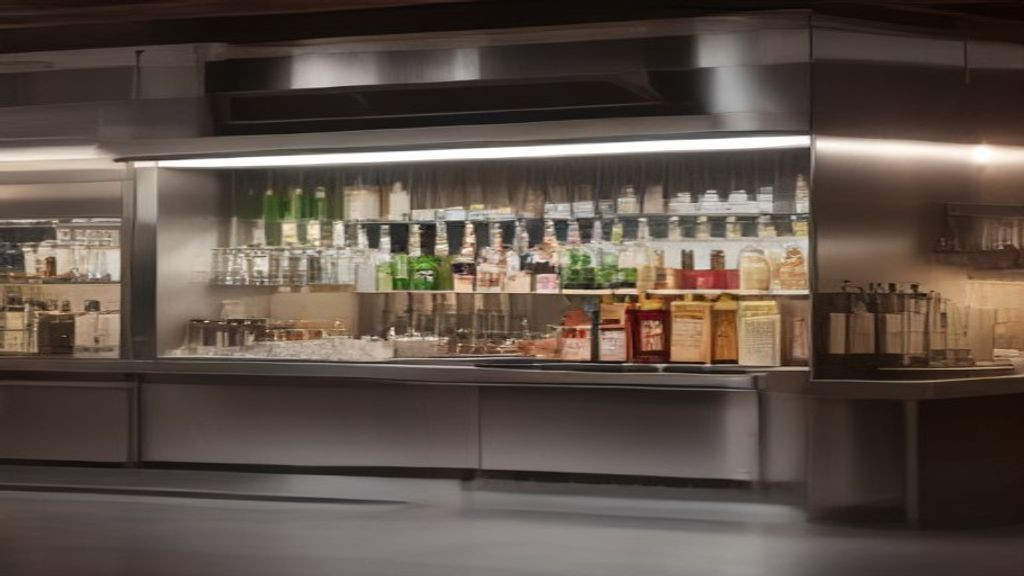
A bottle cooler keeps beer, wine, soft drinks, and mixers cold and ready for service without tying up your main reach-in. For restaurant owners, kitchen managers, and buyers, it is one of the most practical pieces of bar and back-of-house refrigeration you can add when beverage volume climbs. For more background, see Learn more about Bottle Cooler.
The right bottle cooler matches your footprint, door or drawer layout, and how fast you restock during rushes. The wrong one creates warm bottles, energy waste, and awkward cleaning around sticky spills and dust under the cabinet.
This guide from Commercial Refrigeration Guides walks through what matters when comparing commercial bottle coolers alongside reach-ins, undercounters, chef bases, prep tables, merchandisers, and walk-ins-so you can buy for real service conditions, not brochure photos.
What a Bottle Cooler Is and When You Need One
A commercial bottle cooler is a low-profile refrigerated cabinet designed to hold bottles and cans at serving temperature, typically behind a bar or along a service line. Unlike a glass-door merchandiser built for display, most bottle coolers prioritize storage density, slide-top or swing access, and fast grabs during peak service.
They make sense when beverage demand outpaces what a reach-in or undercounter can handle without constant door openings. Busy bars, sports venues, banquet kitchens, and high-volume restaurants often place a bottle cooler near the pour station so staff are not walking to a walk-in for every restock.
Bottle cooler vs. reach-in, undercounter, and bar fridge
Reach-ins and undercounters are more flexible for mixed food and drink storage, but they can slow beverage picks when doors open often and shelves are packed. A dedicated bottle cooler is usually shallower in height, organized for bottles and crates, and placed where drinks are served. Glass merchandisers help with impulse sales up front; bottle coolers usually work best in staff-only zones where speed matters more than display.
Typical placements in restaurants and bars
Common placements include behind the main bar, at a satellite server station, beside a soda gun area, or in a prep corridor feeding banquet service. Measure clearances for lids, doors, casters, and condenser airflow before you buy-tight footprints are useful, but blocked vents shorten equipment life and hurt temperature recovery.
Key Specs to Compare Before You Buy
Skip invented model numbers and focus on fit-for-use criteria: usable capacity, exterior dimensions, access style, temperature performance under load, energy use, and service access for cleaning. Ask vendors for rated capacity in cases or bottles, interior dimensions, and electrical requirements for your site.
Also confirm whether the unit is built for back-bar duty with frequent openings, or for longer holding with fewer picks. Your peak night volume should drive capacity more than average weekly sales.
Capacity, footprint, and storage layout
Capacity is often discussed in case equivalents or bottle counts, but interior layout matters as much as the headline number. Check shelf or bin spacing for your tallest bottles, whether crates fit without tipping, and how much floor space the cabinet needs including lid swing or drawer pull-out. A slightly smaller cooler that fits the station and stays fully stocked usually beats an oversized unit parked too far from service.
Doors, lids, and drawers: access trade-offs
Horizontal sliding-lid or lift-lid bottle coolers favor dense storage and quick overhead access behind a bar. Swing doors can feel familiar if staff already work with reach-ins, while drawer-style bases can help when you want organized zones for beer, wine, and mixers. Choose based on staff motion and spill risk: lids can collect condensation and crumbs; drawers need clear pull space; doors need swing clearance in aisle traffic.
Temperature Recovery, Energy Use, and Daily Care
Temperature recovery is how quickly the cabinet returns to set point after lids or doors open and warm product goes in. In real kitchens, recovery depends on ambient heat, how full the box is, condenser cleanliness, and how often staff leave it open during rushes.
Energy use rises when the compressor runs longer to fight warm loads, dirty coils, or poor airflow. Compare Energy Star listings when available, but also plan for practical habits: pre-chill product when possible, avoid packing vents, and keep the unit away from ovens, dishwashers, and direct sun.
Installation and electrical basics
Confirm voltage, amperage, plug type, and whether a dedicated circuit is required before delivery. Leave manufacturer-recommended clearance at the condenser side or rear grille, set the cabinet level, and verify drain or condensate handling if your model needs it. Poor installation shows up later as warm corners, iced evaporators, or short cycling-not as an obvious day-one failure.
Cleaning that protects performance
Build a routine for exterior wipe-downs, interior spill cleanup, gasket inspection, and coil cleaning on a schedule that matches dust and grease in your space. Sticky syrup and beer residue attract pests and hold odors; clogged coils force longer compressor run times and weaker recovery. Train staff to report torn gaskets and lids that will not seal-small leaks create big temperature swings.
How to Choose the Right Bottle Cooler for Your Operation
Start with service pattern: how many bottles move in your busiest hour, which SKUs must stay separated, and whether guests see the unit. Then map footprint and utility constraints. Only after those are clear should you compare features like stainless finish, locking lids, adjustable bins, caster kits, and dual-zone options if your menu needs different holding ranges.
Cross-shop against other refrigeration you already own. If you have spare undercounter space and low volume, you may not need a dedicated bottle cooler yet. If beer and mixer pulls dominate the bar, a purpose-built bottle cooler usually pays back in speed and fewer door openings on food coolers.
Buyer checklist for restaurant and bar teams
Confirm peak-hour bottle demand, preferred access style, exact width-depth-height limits, electrical readiness, condenser access for cleaning, warranty and local service coverage, and whether you need locks for inventory control. Ask for lead time, delivery path clearances, and startup support so the cooler is at temperature before the first service.
Frequently Asked Questions
What temperature should a commercial bottle cooler hold?
Most beverage service targets a cold, consistent range suitable for bottled beer and soft drinks, commonly around the mid-30s°F when the cabinet is closed and loaded correctly. Always follow the manufacturer's recommended set point for your model and product mix, and verify with a thermometer during peak service-not only at open.
How big of a bottle cooler do I need?
Size to your busiest service window, not average days. Estimate bottles and cases used in peak hours, add a buffer for popular SKUs, then choose capacity and layout that fits your station footprint. If staff still run to a walk-in during rushes, you are undersized or poorly placed.
Are sliding-lid bottle coolers better than door models?
Neither is universally better. Sliding or lift lids maximize storage density behind a bar and can speed grabs; door and drawer designs may suit tighter aisle rules or more organized zoning. Choose based on clearance, staff workflow, cleaning habits, and how often the cabinet will be opened.
Can I store food in a bottle cooler?
Bottle coolers are built for packaged beverages. Mixing in open food can create sanitation and odor issues and may not match your health-code expectations for food holding. Keep food in reach-ins, prep tables, or other equipment designed for that use, and reserve the bottle cooler for sealed drinks.
Why is my bottle cooler not staying cold during rushes?
Frequent openings, warm product loads, blocked vents, dirty condenser coils, poor gaskets, or high kitchen ambient heat all slow recovery. Check loading practices and airflow first, then schedule coil cleaning and gasket inspection. If problems continue, have a qualified technician evaluate refrigerant charge and component performance.
What should I ask before installing a bottle cooler?
Ask about voltage and plug configuration, dedicated circuit needs, clearance for ventilation, leveling and caster options, condensate management, delivery path dimensions, warranty terms, and local service availability. Confirm the install location is away from heat sources that make the compressor work harder.
Conclusion
A well-chosen bottle cooler shortens drink tickets, protects beverage quality, and keeps your reach-ins free for food. Focus on real capacity needs, footprint, access style, recovery under load, energy habits, and a cleaning plan your team will actually follow.
If you are comparing options now, measure the station, list peak SKUs, and use those constraints to shortlist models-then review warranty and service support before you buy. Commercial Refrigeration Guides is here to help you evaluate bottle coolers alongside the rest of your cold line with practical, buyer-first advice.
Looking for a ready-to-order option? Explore this Bottle Cooler on HorecaStore.


Comments
Post a Comment