Beer Dispenser Buying Guide for Commercial Bars
Beer Dispenser Buying Guide for Commercial Kitchens and Bars

A beer dispenser is more than a tap and a tower. For restaurant owners, kitchen managers, and equipment buyers, it is a refrigerated system that protects product quality, speeds service, and keeps draft lines cold from keg to glass. For more background, see Learn more about Beer Dispenser.
Choosing the right unit means matching capacity and footprint to your bar layout, understanding doors versus drawers, and planning for temperature recovery during busy rushes. Energy use, cleaning access, and installation requirements matter just as much as the number of taps.
This guide walks through practical selection criteria so you can compare beer dispenser models alongside other commercial refrigeration-reach-ins, undercounters, bar coolers, and walk-ins-without relying on vague marketing claims.
What a Commercial Beer Dispenser Actually Includes
A commercial beer dispenser typically combines a refrigerated cabinet for kegs, a draft tower with faucets, and a cold-air or glycol path that keeps beer chilled through the lines. Some setups use a self-contained direct-draw cooler; others remote the cooling and run long-draw lines to a tower on the bar.
When you compare units, look at usable keg capacity (how many full-size, pony, or sixth-barrel kegs fit), tower configuration, and whether the cabinet is designed only for draft or also for bottled and canned backup. Treat the dispenser as refrigeration first-then as a pouring system-so cold holding and recovery stay front and center.
Direct-draw vs. remote systems
Direct-draw beer dispensers keep kegs in a refrigerated base under or near the tower, which simplifies installs and shortens beer lines. Remote systems push cold beer farther across a bar or island and can free up underbar space, but they need more planning for glycol power packs, trunk lines, and service access.
How it fits with other bar refrigeration
Most operators pair a beer dispenser with a back-bar cooler, glass froster, or undercounter unit for mixers and garnishes. Plan shared electrical circuits, condensate drainage, and clearance so the draft cabinet is not fighting heat from ice machines, fryers, or poorly ventilated underbar equipment.
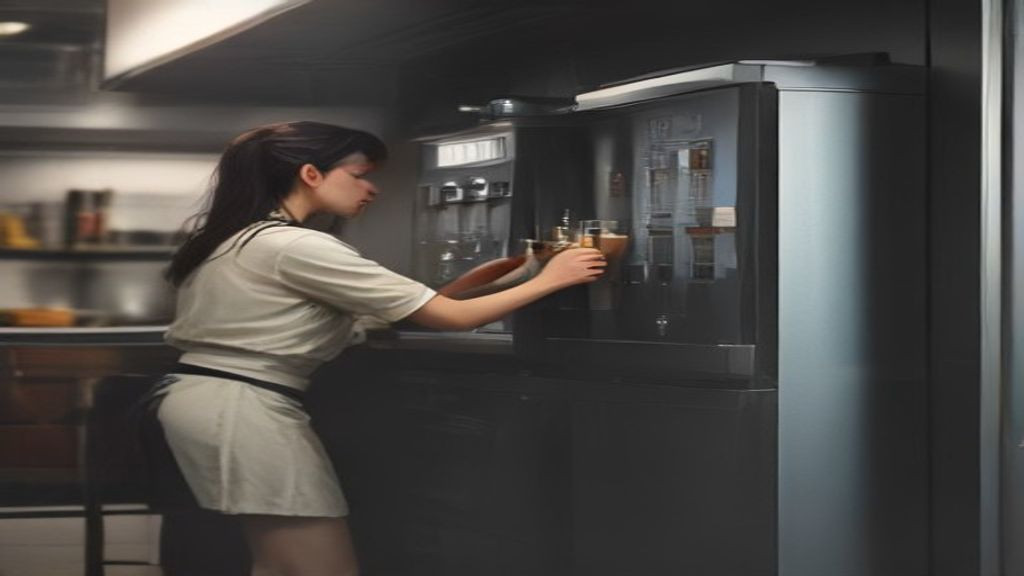
Capacity, Footprint, and Door vs. Drawer Choices
Start with realistic keg volume for peak nights, then size the cabinet so staff can rotate stock without blocking aisles. Footprint decisions should include door swing, tower overhang, drip tray clearance, and space to roll in full kegs without lifting over thresholds.
Doors are common on upright and horizontal draft coolers because they give wide access for loading. Drawers can help in tight underbar runs where a swinging door would hit stools or traffic, but confirm drawer depth and weight ratings for the keg sizes you actually buy.
Matching capacity to service volume
Estimate how many kegs you turn on busy nights and add a buffer for brand variety and changeovers. A two-keg cabinet may be enough for a focused craft list; high-volume sports bars often need multi-keg bases or a walk-in plus remote towers so popular SKUs never go warm waiting for a swap.
Layout and workflow around the tower
Place the beer dispenser where bartenders can pour without crossing food-prep paths. Keep drip trays easy to empty, leave room for cleaning brushes and spare couplers, and avoid locating the cabinet where ambient heat from dishwashers or pass-throughs slows recovery after repeated door openings.
Temperature Recovery, Energy Use, and Daily Care
Draft quality depends on stable cold holding. During rushes, door openings and warm kegs raise cabinet load; look for clear guidance on operating temperature ranges and how the unit recovers after heavy use rather than chasing unverified BTU numbers. Keep the condenser clean and allow manufacturer-specified clearance so compressors are not starved for air.
Energy use tracks with cabinet size, insulation quality, gasket condition, ambient kitchen heat, and how often the door stays open. LED lighting, solid doors where display is unnecessary, and routine coil cleaning usually cut waste more reliably than any single "eco" label.
Cleaning and food-safety habits that protect flavor
Schedule line cleaning on a consistent cadence, sanitize faucets and drip trays daily, and inspect couplers and seals for leaks. Warm spots, foamy pours, or off flavors often trace back to dirty lines or poor cold retention-not just CO2 pressure. Train staff to close doors promptly and report gasket tears early.
Installation and utility checklist
Confirm dedicated electrical capacity, water needs if your tower or chiller requires them, floor drains or condensate handling, and ventilation around the condenser. Level the cabinet, verify CO2 cylinder placement and secure storage, and have a qualified tech set pressures for the beers you serve. Factor delivery path width and curb-to-bar access before you order a larger multi-keg beer dispenser.
Buying Checklist for Restaurant Owners and Kitchen Managers
Shortlist models by keg capacity, tower faucet count, cabinet style, and whether you need direct-draw simplicity or remote flexibility. Compare warranty coverage on the refrigeration system and draft components separately, and ask dealers about parts lead times for towers, taps, and thermostats.
Before you purchase, measure the install space twice, confirm utility readiness, and decide who will own line cleaning-in-house staff or a draft service. A well-chosen beer dispenser should speed pours, protect product, and sit cleanly beside your other commercial refrigeration without creating heat, drainage, or traffic conflicts.
Questions to ask every supplier
Ask for usable interior dimensions in keg terms, recommended ambient operating conditions, cleaning access to coils and drains, lead times, and what is included versus optional-towers, drip trays, regulators, and casters. Request references from similar volume accounts when you are comparing unfamiliar brands.
Frequently Asked Questions
What size beer dispenser do most restaurants need?
Size to peak keg turns plus variety, not average nights. Many smaller bars start with a one- or two-keg direct-draw cooler; higher-volume venues often need multi-keg cabinets or a walk-in with remote towers. Measure footprint and door clearance before you decide.
Is a beer dispenser the same as a kegerator?
In commercial settings, "beer dispenser" usually means a draft system built for bar duty-stronger refrigeration, durable towers, and serviceable components. Consumer kegerators are lighter-duty. Spec commercial units for restaurants and compare them like other bar coolers and undercounter refrigeration.
How cold should a commercial beer dispenser run?
Follow the manufacturer's recommended range for the beers you serve and keep temperatures stable through service. If pours foam or warm after rushes, check recovery, door seals, ambient heat, and line cleanliness before changing pressures alone.
How often should draft lines be cleaned?
Use a regular schedule based on volume and local health guidance-many operators clean lines every one to two weeks, with daily faucet and tray sanitation. Busy accounts or flavored/sour beers may need more frequent attention. Document who cleans and when.
What utilities does a beer dispenser require?
Expect dedicated power for the refrigerated cabinet (and a separate circuit for remote glycol systems if used), secure CO2 storage and routing, and a plan for condensate or floor drainage. Confirm clearances for ventilation and service access at install.
Should I choose doors or drawers for a beer dispenser cabinet?
Doors usually make keg loading easier in open layouts. Drawers can work in tight underbar spaces where swing clearance is limited. Match the choice to keg size, staff strength and workflow, and whether the cabinet sits in a high-traffic aisle.

Conclusion
The right beer dispenser balances capacity, footprint, cold holding, and cleanability with the realities of your bar layout and rush periods. Treat it as core commercial refrigeration-alongside reach-ins, undercounters, and back-bar coolers-so energy use, recovery, and install details get the same scrutiny as tap count.
Measure your space, map utilities, and shortlist units that fit how you actually serve draft. When you are ready, compare dealer quotes on capacity, service access, and warranty support so your next beer dispenser pours consistently from opening to last call.
Looking for a ready-to-order option? Explore this Beer Dispenser on HorecaStore.


Comments
Post a Comment