Bar Refrigeration Guide for Busy Commercial Kitchens
Bar Refrigeration: How to Choose Coolers That Keep Service Moving
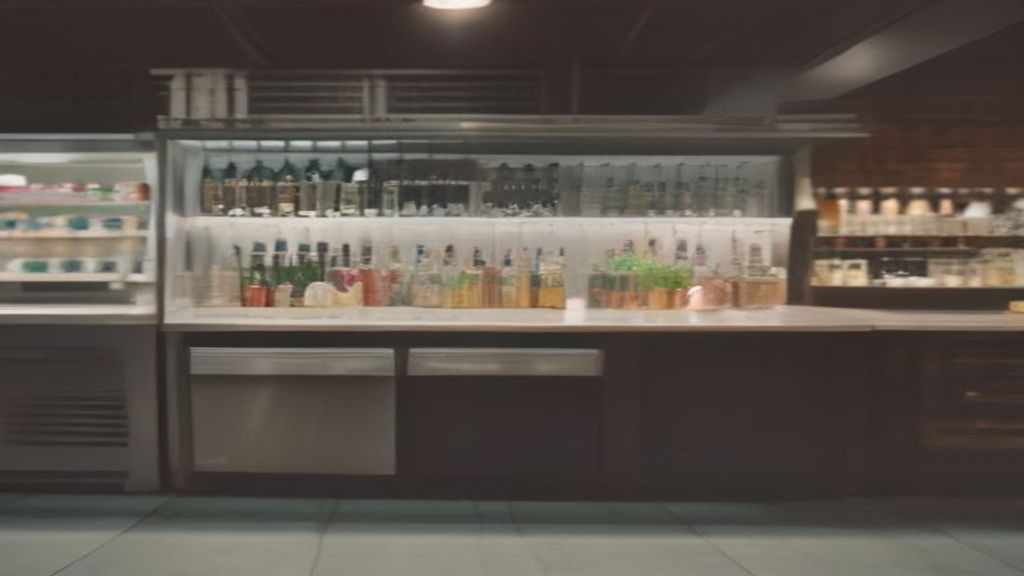
Bar refrigeration is the backbone of a fast, profitable beverage program. Whether you run a full cocktail bar, a hotel lounge, or a restaurant with a busy service well, the right coolers protect product quality, speed up ticket times, and cut waste from warm beer and melted ice. For more background, see Learn more about Bar Refrigeration.
Commercial buyers comparing reach-ins, undercounters, chef bases, prep tables, freezers, merchandisers, walk-ins, and ice machines need more than a product brochure. Footprint, door style, temperature recovery, energy use, cleaning access, and installation constraints decide whether a unit helps or slows the line.
This guide from Commercial Refrigeration Guides walks through practical selection criteria for bar coolers and related cold storage so kitchen managers and owners can match equipment to volume, menu, and layout without guessing at invented specs.
What Bar Refrigeration Covers in a Commercial Setup
Bar refrigeration usually means back-bar coolers, glass-door merchandisers, undercounter refrigerators, bottle coolers, and dedicated ice storage-often paired with a nearby ice machine. In many restaurants it also overlaps with prep tables and chef bases that hold garnishes, mixers, and backup product within arm's reach of the rail.
Think in zones rather than a single box. Front-of-house display coolers sell chilled bottles and cans, the service well needs fast-access undercounters or drawers for speed, and the back of house may rely on reach-ins or a walk-in for bulk beer, wine, and soft drinks. Matching each zone to the right cabinet style reduces door openings and keeps service temps more stable.
Common equipment types near the bar
Typical options include sliding or hinged glass-door back-bar coolers, solid-door undercounters, drawer bases for bottles and mixers, vertical reach-ins for reserve stock, and ice machines with bins sized to peak pour volume. Freezers may support frozen cocktails or ice cream add-ons, while merchandisers help impulse sales at the host stand or retail counter.
How bar coolers differ from kitchen reach-ins
Bar coolers are often built for frequent access, shallow footprints, and bottle organization. Kitchen reach-ins prioritize bulk storage and broader temperature ranges. If your team opens doors constantly during rushes, prioritize strong temperature recovery, durable door hardware, and layouts that keep high-turn SKUs at the front.
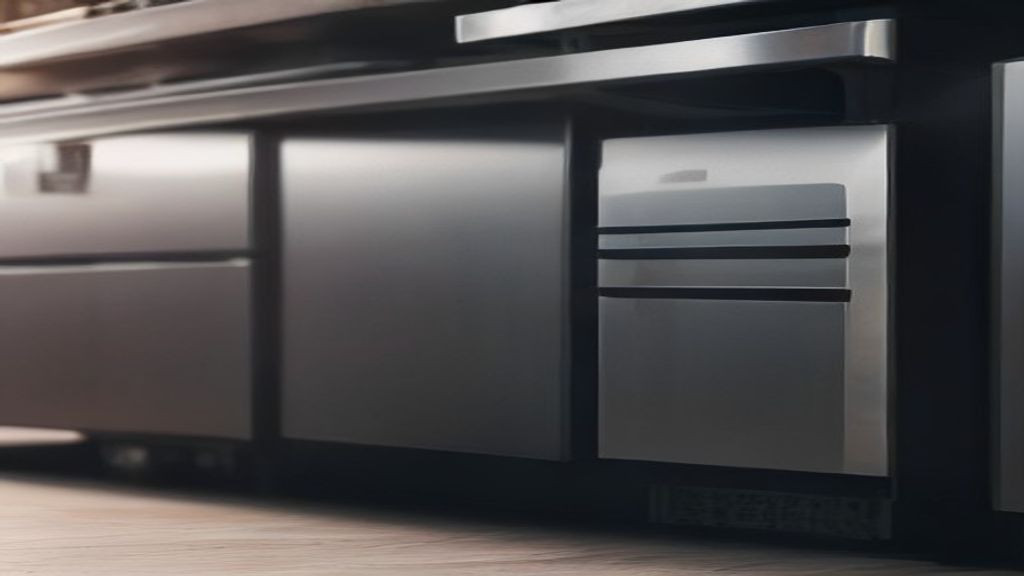
Capacity, Footprint, and Door vs Drawer Decisions
Start with real demand: peak hourly drink volume, number of draft and bottled SKUs, garnish prep needs, and how often you restock from a walk-in. Capacity that looks fine on paper can fail if bottles are poorly organized or if ice production cannot keep up with the bar's busiest hour.
Measure the install space carefully-depth under the bar die, clearances for ventilation, aisle traffic, and ADA or service-path requirements. A unit that fits the cavity but cannot breathe will short-cycle, run warm, or wear compressors early. Plan for door swing or drawer pull so staff are not blocked during service.
Sizing capacity without fake specs
Use your menu and sales history instead of catalog wish lists. Count active bottle facings, backup inventory days you want on hand, and ice pounds needed for peak service. Confirm the manufacturer's stated capacity against how you actually load bottles and pans, and leave margin for seasonal spikes rather than buying to the exact minimum.
Doors vs drawers for bar workflow
Hinged doors work well for organized shelves and lower traffic. Sliding glass doors save aisle space in tight back bars. Drawers can speed bottle and mixer grabs when staff work in a narrow well, but they need clear pull space and disciplined loading so pans and bottles do not shift. Choose the style that matches how your team actually moves during a rush.
Temperature Recovery, Energy Use, and Daily Care
Temperature recovery is critical wherever doors open constantly. Warm air floods in during each ticket, so look for equipment designed for commercial duty, tight gaskets, and clear guidance on recommended setpoint ranges for packaged beverages versus perishable garnishes.
Energy use adds up across multiple bar coolers and ice machines. Prefer ENERGY STAR-rated commercial models when available, keep condenser coils clean, and avoid blocking intake or discharge airflow with syrup boxes or glass racks. Small layout mistakes can erase efficiency gains from a newer cabinet.
Cleaning and sanitation habits that protect uptime
Wipe spills quickly, clean gaskets, and schedule coil cleaning based on kitchen grease and dust load. Removable shelves and smooth interiors speed deep cleans between shifts. For ice machines, follow the maker's cleaning and descaling schedule; neglected ice equipment is a common source of off-flavors and service calls.
Installation and utilities to confirm before delivery
Verify electrical circuit capacity, dedicated outlets, drain requirements for ice machines, and whether the unit is self-contained or remote. Confirm ambient temperature limits for the install location-hot kitchens and closed cabinets can push equipment beyond design conditions. Plan leveling, sealing to the bar face if needed, and service access so techs can reach filters and condensers without tearing out millwork.
Buying Checklist for Restaurant Owners and Kitchen Managers
Compare units by workflow first, then by price. Ask vendors for dimensions with door or drawer clearance, recommended clearances, warranty terms on compressor and parts, and lead times for replacement shelves or door hardware.
Cross-check bar refrigeration against related cold storage: do you need more undercounter space, a larger ice machine, or better walk-in organization so the bar is not overstuffed? The strongest purchase is the one that reduces steps, holds safe product temps under load, and is easy for your team to clean and restock.
Questions to ask before you sign a quote
What ambient conditions is this unit rated for? How is condensate handled? Are doors field-reversible? What is the expected service path for coils and filters? Can the configuration support your bottle mix and garnish pans without blocking airflow? Clear answers here prevent costly change orders after install.
Frequently Asked Questions
What is bar refrigeration in a restaurant?
Bar refrigeration is the commercial cold storage used to chill beverages, mixers, garnishes, and ice near the point of service-typically back-bar coolers, undercounters, drawers, merchandisers, and related ice equipment.
Should I choose glass-door or solid-door bar coolers?
Glass doors help guests and staff see inventory and can support merchandising. Solid doors often hold temperature with slightly less light load and may suit back-of-bar storage. Choose based on visibility needs, ambient heat, and how often doors open.
How do I estimate ice machine needs for a busy bar?
Base sizing on peak-hour drink volume and ice per drink, then add a safety margin for spikes and dump-and-refill practices. Confirm bin storage as well as production rate, and place the machine where heat and noise will not hurt guest comfort.
What causes bar coolers to run warm during service?
Frequent door openings, blocked ventilation, dirty condenser coils, overloaded shelves that restrict airflow, and installs in hot or enclosed spaces are common causes. Improving recovery starts with airflow, gasket condition, and realistic loading.
Are undercounter units enough, or do I still need a walk-in?
Undercounters support speed at the rail, but most higher-volume bars still need bulk cold storage such as a reach-in or walk-in for backup beer, wine, and soft drinks. Use undercounters for high-turn items and reserve storage for depth of inventory.
What should buyers compare beyond purchase price?
Compare footprint and clearances, door vs drawer workflow, temperature recovery under use, energy performance, cleaning access, warranty coverage, and installation requirements for power and drainage. Lifetime operating cost and uptime matter as much as the sticker price.
Conclusion
Strong bar refrigeration keeps drinks cold, ice plentiful, and service smooth when the rail is slammed. Focus on capacity that matches real volume, a footprint that fits your bar and utilities, and equipment your team can open, clean, and restock without fighting the cabinet.
Use this Commercial Refrigeration Guides checklist when you compare coolers, ice machines, and backup storage. Measure twice, ask vendors for install and service details in writing, and choose the configuration that protects product quality every shift-not just on a quiet Tuesday afternoon.
Looking for a ready-to-order option? Explore this Bar Refrigeration on HorecaStore.


Comments
Post a Comment