Back Bar Cooler Buying Guide for Bars & Restaurants
Back Bar Cooler Buying Guide for Busy Bars and Restaurants
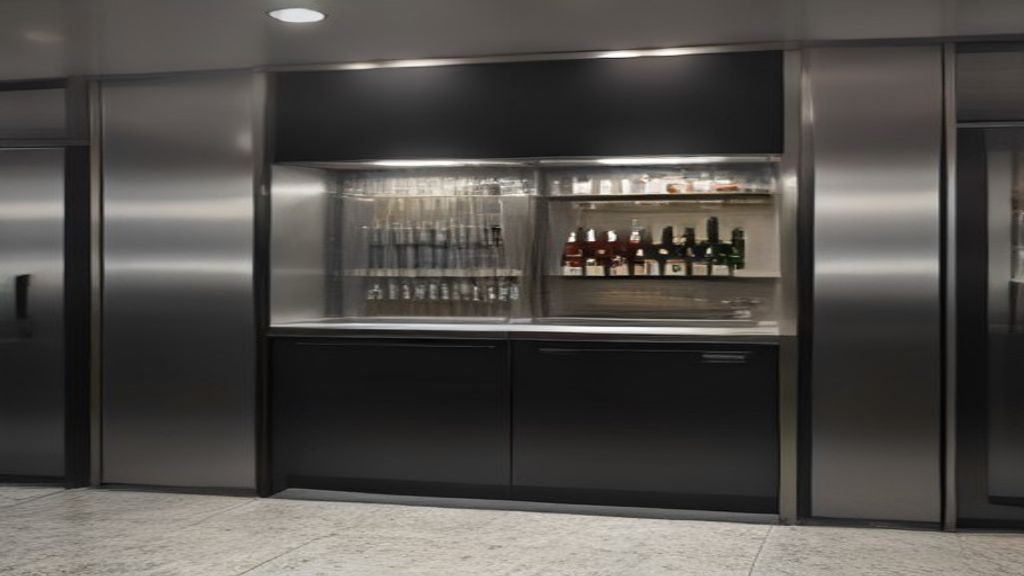
A back bar cooler keeps bottled beer, canned drinks, mixers, and chilled garnishes ready behind the bar without slowing service. For restaurant owners and kitchen managers, the right unit balances footprint, door or drawer access, temperature recovery during rushes, and energy cost over years of nightly use. For more background, see Learn more about Back Bar Cooler.
Unlike a general reach-in or prep table, a back bar cooler is built for the bar rail: shallow depth, glass or solid doors, and storage layouts that match bottle and can cases. Choosing poorly means warm product, wasted steps, and higher utility bills.
This guide from Commercial Refrigeration Guides walks through practical selection points-capacity and footprint, doors versus drawers, temperature performance, energy and cleaning, plus installation-so you can compare options with confidence.
What a Back Bar Cooler Is and When You Need One
A back bar cooler is a low-profile commercial refrigerator designed to sit behind or under the bar, typically with sliding or hinged doors and shelves sized for bottles and cans. Many models offer glass doors for merchandising and solid doors for energy savings and lower light exposure.
If your team constantly walks to a kitchen reach-in for beer and mixers, or if ambient bar heat is warming product on open shelves, a dedicated back bar cooler usually pays for itself in speed and consistency. Pair it with ice machines, undercounters, and merchandisers based on where guests order and where staff restock.
How it differs from undercounters and merchandisers
Undercounter refrigerators often prioritize general kitchen storage and may not match bar bottle spacing or glass-door visibility. Glass-door merchandisers emphasize display for guest-facing areas; a back bar cooler focuses on bartender access and bar-line footprint. Match the cabinet style to where guests can see it and how staff pick product during peak hours.
Typical use cases in restaurants and bars
High-volume beer bars, cocktail lounges, hotel bars, and multi-station restaurants use back bar coolers for bottled beer, RTDs, juices, and chilled wine by the bottle. Some kitchens also stage cold mixers near a satellite bar so runners are not crossing the cook line during service.
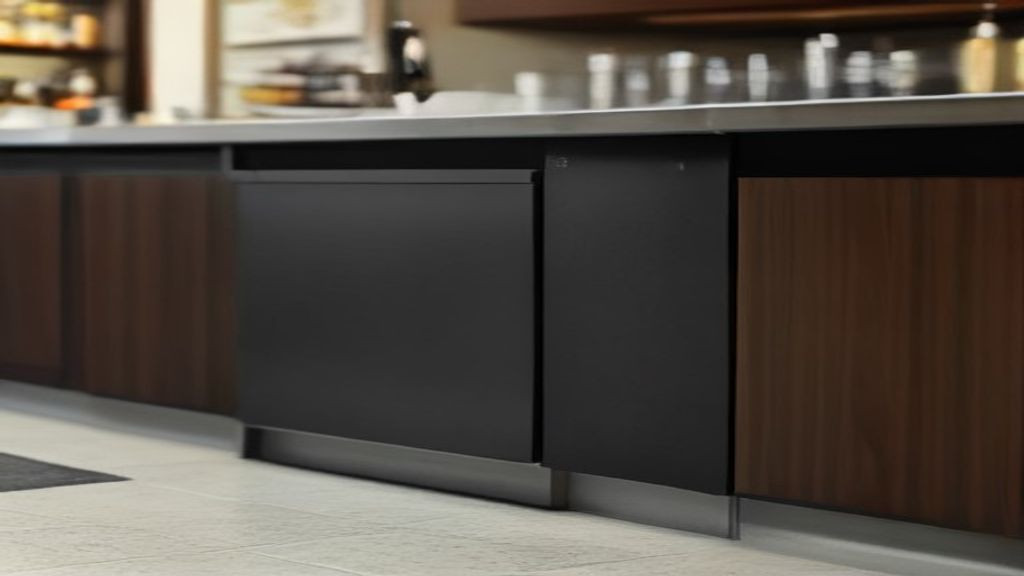
Capacity, Footprint, and Door vs Drawer Layout
Start with real case counts and SKU mix, not a round number from a brochure. Count how many cases you need cold before a Friday rush, how many SKUs must stay separated, and whether you stock tall bottles, stubbies, cans, or wine. Then map that volume to shelf levels and cabinet width so restocking does not block the service aisle.
Footprint matters as much as capacity. Confirm depth against bar thickness and overhang, leave clearance for door swing or drawer pull, and plan for side or rear ventilation if the manufacturer requires it. A unit that fits the cutout but cannot breathe will short-cycle and struggle in a warm bar.
Sizing capacity without guessing fake numbers
Ask vendors for shelf dimensions, bottle capacity ranges for common package sizes, and usable interior cubic feet. Compare those figures to your case packs and peak-night depletion. Build in a buffer for new SKUs and for product that must stay colder longer after doors open frequently.
Doors vs drawers for bar workflow
Hinged glass doors help bartenders find brands fast and support guest-facing display; sliding doors save aisle space in tight bars. Solid doors typically hold temperature better when the bar is warm and lights stay on late. Drawer bases can speed access to cans and mixers at waist height but may hold fewer tall bottles-confirm interior height before you commit.
Temperature Recovery, Energy Use, and Daily Cleaning
Bar environments are harder on refrigeration than a closed kitchen: heat from glassware washers, lights, and guest traffic plus frequent door openings. Look for commercial-rated cabinets with strong airflow and clear guidance on setpoints for bottled beverages. During demos or references, ask how the unit recovers after heavy open-door periods on a busy night.
Energy use adds up over long operating hours. Glass doors, LED lighting, door gaskets in good condition, and proper condenser cleaning all affect kilowatt hours. ENERGY STAR or other efficiency ratings can help when comparing similar sizes, but always weigh efficiency against recovery performance for your volume.
Cleaning and maintenance that protect performance
Wipe spills daily so sugars do not corrode shelves and gaskets. Clean door gaskets and check for tears that leak cold air. Follow the manufacturer's schedule for condenser coil cleaning-dust and bar lint choke airflow and raise energy use. Keep drains clear if the cabinet has an evaporator pan or condensate path.
Installation and placement checklist
Confirm electrical requirements, dedicated circuits if specified, and leveling so doors seal evenly. Provide the required clearance for condenser air intake and exhaust. Avoid installing tight against heat sources like dishwashers or under intense lighting without adequate ventilation. If the unit ships with a remote or dual-zone option, verify line runs and service access before the bar millwork is finished.
How to Compare Models Before You Buy
Create a short scorecard: usable capacity for your package sizes, width and depth with door or drawer clearance, glass vs solid preference, temperature recovery under frequent openings, listed energy performance, warranty and parts availability, and cleaning access to coils and drains. Rank what matters most for your busiest station.
Cross-shop related equipment in the same purchase cycle-reach-ins for bulk backup, undercounters for prep, ice machines for glass and cocktail volume, and freezers for frozen garnishes or backup ice if needed. A back bar cooler works best when backup cold storage is close enough that the bar unit is not overstuffed past airflow limits.
Questions to ask dealers and manufacturers
Request interior dimensions, shelf load ratings, recommended ambient operating range, defrost method, lighting type, and filter or coil access points. Ask about lead times, installation support, and whether replacement gaskets and shelves are easy to source. If you run multiple concepts, ask which features hold up best in high ambient bars versus climate-controlled dining rooms.
Frequently Asked Questions
What temperature should a back bar cooler run for bottled beer and mixers?
Follow beverage and manufacturer guidance for your product mix; many operators keep packaged beer and common mixers in a cold, stable refrigerated range suited to bottled beverages. Avoid setpoints so low that glass bottles sweat excessively in humid bars, and verify the unit is designed for frequent door openings in a warm front-of-house space.
Are glass-door or solid-door back bar coolers better?
Glass doors speed brand recognition and can support merchandising when guests can see the cabinet. Solid doors generally reduce light and heat load and can be more efficient in hot, brightly lit bars. Choose based on visibility needs, ambient heat, and how often doors stay open during service.
How much space do I need around a back bar cooler?
Plan for the cabinet footprint plus door swing or drawer extension, staff walking space, and the manufacturer's required ventilation clearances. Blocking condenser airflow is a common cause of warm product and short compressor life.
Can I use a kitchen reach-in instead of a back bar cooler?
A reach-in can store backup inventory, but it is often deeper, less convenient behind the bar, and slower for bartenders pulling bottles mid-rush. Many operations use a back bar cooler for active service stock and a reach-in or walk-in for case storage and overnight backup.
How often should I clean the condenser on a back bar cooler?
Clean on the schedule in the owner's manual, and more often in dusty or lint-heavy bars. A clogged condenser raises energy use and weakens temperature recovery. Pair coil care with daily spill wipe-downs and gasket checks.
What should I check before installing a back bar cooler in existing bar millwork?
Verify cutout width and height, depth including handles, electrical supply, leveling, condensate handling, and ventilation paths. Confirm doors or drawers can open fully without hitting soda guns, speed rails, or adjacent equipment.
Conclusion
The right back bar cooler keeps service fast, product consistently cold, and utility and maintenance costs predictable. Size from your real case counts and SKU mix, choose doors or drawers for how your team picks product, and prioritize temperature recovery and coil access for a warm, busy bar.
Before you buy, measure the station, confirm clearances and power, and compare energy and service support alongside capacity. Use this Commercial Refrigeration Guides checklist next to dealer specs so your next back bar cooler fits the bar you actually run-not just the one on the showroom floor.
Looking for a ready-to-order option? Explore this Back Bar Cooler on HorecaStore.


Comments
Post a Comment